
The Author's Crossroads: Traditional Paths vs. Independent Journeys
The dream of seeing one's words bound in print, gracing bookshelves, and captivating readers is a potent one, a siren song for countless aspiring writers. Yet, the journey from manuscript to market is rarely a straightforward jaunt down a well-lit path. Instead, it presents a complex landscape, offering two primary, albeit divergent, routes: traditional publishing and self-publishing. Each comes with its own set of challenges, rewards, and intricate processes, demanding careful consideration from any author ready to embark on this transformative odyssey. Understanding these distinctions and the nuances within each approach is paramount to making an informed decision that aligns with an author's individual goals, artistic vision, and appetite for control. This exploration aims to demystify these paths, providing a comprehensive guide to navigating the intricate world of book production and dissemination.
The Allure of the Traditional Publishing Route
For many, traditional publishing remains the gold standard, the quintessential validation of a writer's craft. It promises the backing of established industry players, a professional team dedicated to perfecting and promoting one's work, and the prestige associated with a reputable publishing house. However, this path is often characterized by its highly competitive nature and a process that can feel opaque and slow.
The Agent: Gatekeeper and Champion
The first, and arguably most crucial, step in traditional publishing is securing a literary agent. Agents act as intermediaries between authors and publishers, possessing invaluable industry knowledge, contacts, and negotiation skills. They are, in essence, the author's business partner, advocating for their work and ensuring fair terms. Finding an agent typically involves extensive research, crafting a compelling query letter – a succinct pitch of your book – and submitting a manuscript sample. This can be a lengthy process, often involving numerous rejections before finding the right fit. A strong agent understands the market, identifies potential acquiring editors, and shepherds the manuscript through the submission process, which itself can take months, if not years.
The Editor's Touch: Refinement and Polish
Once an agent secures a publishing deal, the manuscript undergoes a rigorous editorial process. This is where the magic of professional refinement truly happens. An acquiring editor will work closely with the author, providing feedback on plot, character development, pacing, and prose. This collaborative process can involve multiple rounds of revisions, often pushing the author to elevate their work to new heights. Beyond content editing, copyeditors scrutinize grammar, spelling, punctuation, and consistency, while proofreaders catch any lingering errors before the book goes to print. This meticulous attention to detail ensures a high-quality product ready for public consumption.
The Publishing Machine: From Design to Distribution
Traditional publishers offer a comprehensive suite of services beyond editorial. Their in-house design teams create compelling covers and interior layouts, crucial elements in attracting readers. Marketing and publicity departments craft strategies to generate buzz, secure reviews, and promote the book through various channels, from national media placements to author tours. Sales teams work to get the book into bookstores, libraries, and online retailers, leveraging their established distribution networks. This extensive infrastructure significantly broadens a book's reach and visibility, an advantage difficult for individual authors to replicate.
For those interested in enhancing their writing journey, a related article that offers valuable insights is "5 Ways a Story Bible Can Revolutionize Your Writing Process." This piece discusses how creating a story bible can streamline your writing and improve your storytelling consistency, making it an essential tool for both traditional publishing and self-publishing authors. You can read the article here: 5 Ways a Story Bible Can Revolutionize Your Writing Process.
The Independent Spirit: Embracing Self-Publishing

In stark contrast to the structured, gate-kept world of traditional publishing, self-publishing offers authors unparalleled autonomy and control. The rise of digital platforms and print-on-demand technology has democratized the publishing landscape, allowing writers to bypass traditional gatekeepers and bring their work directly to readers. However, this freedom comes with a significant increase in responsibility.
The Entrepreneurial Author: Wearing Many Hats
Self-publishing transforms the author into an entrepreneur, responsible for every facet of the book production and marketing process. This requires a diverse skill set beyond just writing, encompassing roles typically handled by an entire publishing house.
Editorial Excellence: The Non-Negotiable Investment
While the author retains final editorial control, skimping on professional editing is a common and often fatal mistake in self-publishing. A polished manuscript is paramount to reader satisfaction and critical reception. This means hiring professional editors for developmental feedback, copyediting, and proofreading. Investing in these services ensures the book meets professional standards and is free from errors that can detract from the reading experience. While it represents an upfront cost, it's an investment in the book's credibility and long-term success.
Design and Formatting: Visual Appeal Matters
Just as with traditional publishing, cover design and interior formatting are crucial for self-published books. A professional, eye-catching cover is the first point of contact with potential readers and can significantly influence purchasing decisions. Similarly, well-formatted interior text enhances readability and professionalism. Authors can either learn design software themselves, utilizing templates and tutorials, or hire professional cover designers and formatters. Platforms like KDP (Kindle Direct Publishing) and IngramSpark offer tools and guidelines for formatting, but a bespoke design often yields superior results.
Distribution and Pricing: Reaching Your Audience
Self-publishing platforms like Amazon KDP, Apple Books, Google Play Books, and Kobo Writing Life allow authors to distribute their e-books and print-on-demand paperbacks globally. Aggregators like Draft2Digital and Smashwords can further broaden reach to a multitude of other retailers and libraries. Authors set their own prices, allowing for dynamic adjustments based on market trends and promotional strategies. Understanding royalty structures and choosing the right platforms for specific genres and target audiences is key to maximizing revenue.
Marketing and Promotion: The Author's Ongoing Endeavor
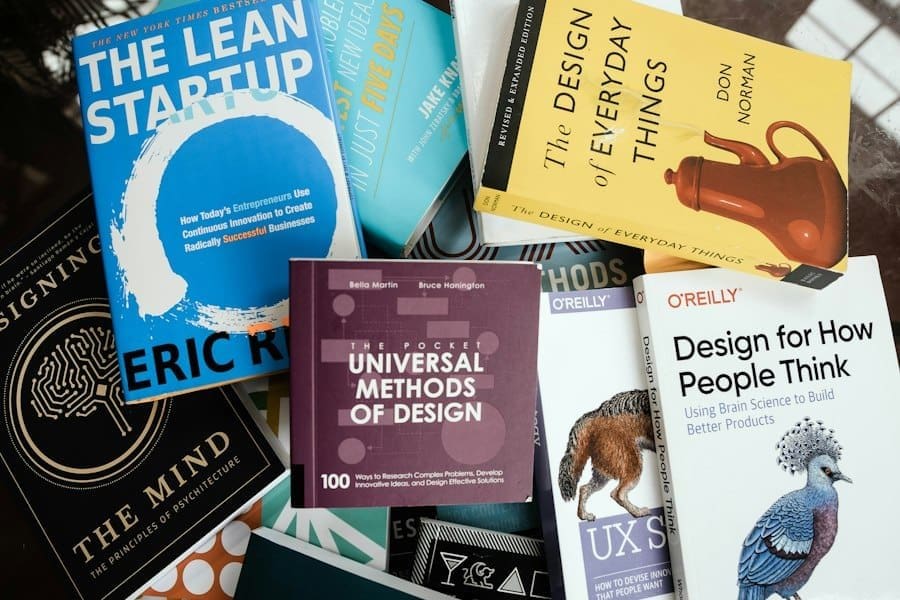
Regardless of the chosen publishing path, marketing and promotion are indispensable for a book's success. For traditional authors, publishers provide a foundation, but active author participation is increasingly expected. For self-published authors, it is entirely their responsibility.
Building Your Author Platform
An "author platform" refers to an author's visibility and reach – essentially, their ability to connect with potential readers. This involves establishing an online presence through a professional website, engaging on social media, building an email list, and cultivating relationships with readers. A strong platform is attractive to traditional publishers and essential for self-published authors to drive sales.
Strategic Promotion for Both Paths
For traditionally published authors, collaborating with the publisher's marketing team is crucial. This involves actively participating in interviews, book signings, and online events. Self-published authors must devise and execute their entire marketing strategy, which can include:
Leveraging Online Presence
This encompasses targeted social media campaigns, running paid advertisements on platforms like Amazon and Facebook, participating in online book communities, and collaborating with book bloggers and reviewers. A consistent and engaging online presence keeps the author's work top-of-mind for potential readers.
Generating Reviews and Buzz
Reviews are vital for both traditional and self-published books. Encouraging readers to leave honest reviews on retail sites and Goodreads can significantly impact visibility and sales. Participating in book tours (virtual or in-person), podcast interviews, and guest blogging opportunities also helps generate buzz and introduce the book to new audiences.
Financial Realities and Expectations
The financial aspects of publishing are often misunderstood, leading to unrealistic expectations. Both traditional and self-publishing have distinct financial models and income potential.
Traditional Publishing: Advances and Royalties
Traditional publishers typically offer an advance against royalties – an upfront payment that the author "earns out" with book sales. Once the advance is recouped, authors receive a percentage of each book sold (royalties), which can vary significantly depending on the format (hardcover, paperback, e-book) and the publisher's terms. While the advance can provide a degree of financial stability, particularly for debut authors, many books never "earn out" their advance, meaning the author only receives the initial payment.
Self-Publishing: Direct Royalties and Upfront Costs
Self-published authors forgo an advance but receive a significantly higher percentage of royalties per sale, often ranging from 35% to 70% of the list price, depending on the platform and pricing. However, self-publishing requires a substantial upfront investment in professional editing, cover design, formatting, and marketing. While the potential for higher per-unit earnings exists, the overall income often depends heavily on the author's ability to market and sell their book effectively. It is a business venture, and authors must be prepared to treat it as such.
For those exploring the nuances of storytelling, understanding how the narrator shapes your narrative can be crucial in both publishing and self-publishing. A related article that delves into this topic is available at The Power of Perspective: How the Narrator Shapes Your Story, which offers valuable insights on how different perspectives can influence reader engagement and the overall impact of your work. This knowledge can be particularly beneficial for authors looking to enhance their storytelling techniques.
Making the Informed Choice: Which Path is Right for You?
| Metric | Description | Typical Range/Value | Notes |
|---|---|---|---|
| Average Time to Publish | Time from manuscript completion to book availability | 3 to 12 months | Traditional publishing often takes longer than self-publishing |
| Editing Costs | Professional editing fees (developmental, copyediting, proofreading) | 500 to 3,000 | Depends on manuscript length and editor experience |
| ISBN Cost | Price for purchasing an ISBN for book identification | 0 to 125 | Some self-publishing platforms provide free ISBNs |
| Royalty Rate (Traditional) | Percentage of book sales paid to author by publisher | 5% to 15% | Varies by format (hardcover, paperback, ebook) |
| Royalty Rate (Self-Publishing) | Percentage of book sales earned by author on platforms | 35% to 70% | Higher royalties but author covers all upfront costs |
| Print-on-Demand Setup Time | Time to prepare and upload files for print-on-demand services | 1 to 7 days | Includes formatting and proofing |
| Marketing Budget | Recommended spending on book promotion | 100 to 5,000 | Varies widely depending on goals and channels |
| Average Book Price | Typical retail price for self-published books | 5 to 20 | Depends on genre and format |
| Self-Publishing Platforms | Popular platforms for independent authors | Amazon KDP, IngramSpark, Draft2Digital | Each has different distribution and royalty options |
| Common Book Formats | Formats authors should prepare for publishing | eBook (EPUB, MOBI), Paperback, Hardcover | Format choice affects production and pricing |
The decision between traditional and self-publishing is deeply personal and depends on a variety of factors unique to each author. There is no universally "better" path; rather, there is the path that best suits your individual circumstances, goals, and temperament.
Assessing Your Goals and Priorities
Consider what you value most. Is it the prestige and validation of a major publishing house? Do you prioritize creative control and a faster route to market? Are you willing to invest significant time and money into the business aspects of publishing, or do you prefer to focus primarily on writing? Your answers to these questions will illuminate the most suitable direction.
Weighing the Pros and Cons
Traditional publishing offers professional support, wider distribution, and the potential for a larger platform, but it involves a lengthy submission process, less creative control, and often lower royalty rates. Self-publishing provides complete creative freedom, faster publication, and higher per-unit royalties, but demands significant upfront investment, entrepreneurial skills, and a heavy marketing burden. Some authors even pursue a hybrid approach, publishing some titles traditionally and others independently, leveraging the benefits of both models. Ultimately, the publishing landscape is dynamic and ever-evolving, offering more avenues than ever for authors to share their stories with the world. The key lies in understanding the terrain, preparing for the journey, and making a choice that empowers your authorial aspirations.
When you revise, a story bible helps you catch continuity errors. Story Bible Studio keeps character details, timelines and settings in one place to check against.
Written by Enda Storrie, writer and creator of Story Bible.


