
Outlining: outline a novel without losing spontaneity: the plotting vs pantsing debate, why a loose outline helps pantsers and how structure frees creativity.
The Enduring Allure of "Outline: A Novel" and the Persistent Dichotomy of Novelistic Planning
In the often turbulent waters of literary discourse, certain works emerge not just as popular narratives but as focal points for broader discussions about the very act of writing. Rachel Cusk's "Outline: A Novel" is one such work, a text that, nearly a decade after its initial publication, continues to captivate readers and critics alike. Its unique structure – famously presented as "a novel in ten conversations" – invites contemplation not only on its thematic concerns but also on the craft choices that underpin its creation.
While the literary world continually seeks the next big thing, the persistent presence of "Outline" on booksellers' and publishers' digital shelves, consistently highlighted as the genesis of its celebrated trilogy, underscores its lasting significance. It serves as a fascinating case study in how a novel's form can be as impactful as its content, echoing through the broader conversation about how writers approach the daunting task of bringing a sprawling narrative into being.
The Unwavering Acclaim for Cusk's Inaugural "Outline"
Despite the passage of time, "Outline: A Novel" remains a cornerstone of contemporary literature. Bookstores and publishing houses alike continue to market it prominently as the foundational text of a trilogy that has garnered widespread critical acclaim. Descriptive copy consistently emphasizes its innovative structure, reminding potential readers of its "novel in ten conversations" conceit. This repeated framing is not merely a marketing tactic; it is a testament to the novel's singular identity and its undeniable impact on the literary landscape.
The fact that retail and listing pages are the most recent items appearing in search results, rather than breaking news about a new edition or adaptation, speaks volumes. These pages, far from being stagnant archives, actively re-present the book's status, awards, and publication details, reinforcing its established place within modern fiction.
The Publisher's Perspective: A Trilogy Reaffirmed
From a publisher's standpoint, the continued emphasis on "Outline" as part of a trilogy is a strategic affirmation of its enduring value. Faber, for instance, has recently highlighted the release of the entire Outline trilogy as a set. This collective offering is a clear signal from the publisher that the work's power lies not just in its individual parts but in the cumulative experience of the complete arc. This bundled presentation is the most current publisher-side update, indicating a focus on solidifying the series' legacy rather than announcing a new, standalone development.
It reinforces the idea that "Outline" is not just a book, but a literary event that continues to command attention as a unified artistic endeavor. This sustained focus on the trilogy as a whole suggests a confidence in its continued relevance and appeal to new generations of readers.
In crafting a novel, especially for those who prefer a pantser approach, it's essential to have a loose outline that allows for spontaneity while still providing a framework. A related article that delves into the significance of thematic elements in storytelling is available at this link. This resource can help writers identify the core themes that will drive their narrative, enabling them to create a more cohesive story even as they explore their characters and plot in an organic manner. By focusing on the central theme, pantsers can maintain a sense of direction, ensuring that their improvisational writing aligns with the overarching message they wish to convey.
The Elusive News in the Realm of "Outlining for Pantsers" and "Loose Outlines"
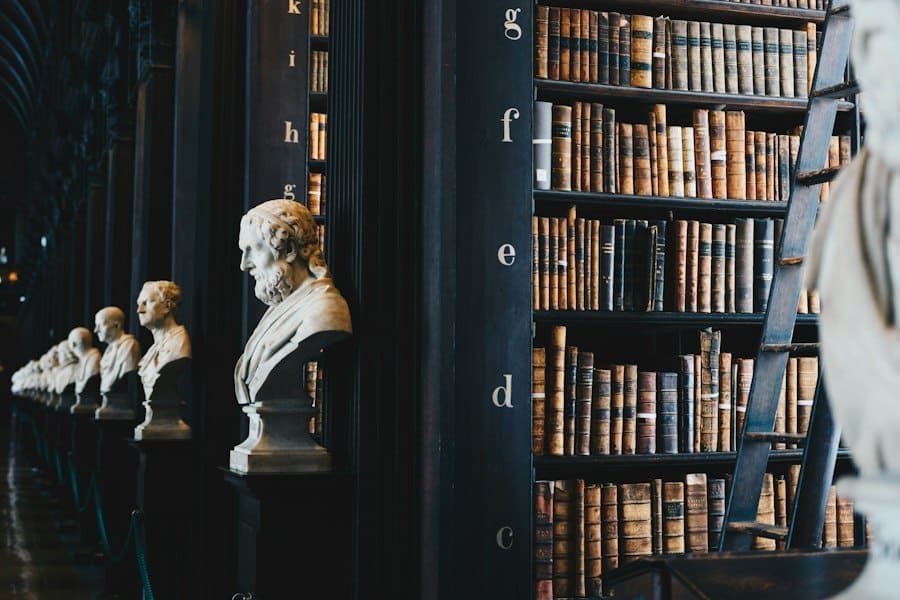
While Cusk's "Outline" continues to generate gentle ripples of sustained interest, the same cannot be said for the more generalized concepts of "outlining for pantsers" and "loose outline." In the dynamic world of writing methodologies, one might expect constant innovation, fresh perspectives, or even new pedagogical approaches. However, a deep dive into recent information reveals a distinct lack of breaking news concerning these specific outlining philosophies. This absence is not necessarily a reflection of their diminishing utility; rather, it suggests a more fundamental, perhaps even timeless, nature to these approaches. They are less about fleeting trends and more about enduring psychological and practical realities of the creative process.
The Absence of Novelty in Established Writing Methods
The search results pertaining to "outlining for pantsers" and "loose outline" present a stark contrast to the continuous, albeit steady, presence of "Outline: A Novel." Instead of revealing new articles, updated guides, or innovative techniques, the results primarily yield general book pages for Cusk's novel itself, or unrelated "latest news" entries that have no bearing on writing methodology. This pattern indicates that there isn't a current surge of public discourse or a recent academic development specifically addressing these outlining styles. It suggests that the fundamental principles of "pantsing" (writing by the seat of one's pants, with minimal pre-planning) and "loose outlining" (employing a flexible, adaptable structure) are well-established concepts within the writing community, rather than subjects of ongoing, rapid evolution.
Understanding the "Panster" and the "Loose Outliner"
To understand why there's no "news" about these methods, it's crucial to grasp their core tenets. The "pantser" embarks on a narrative journey with little more than an idea and a willingness to discover the story as they write. This approach prioritizes spontaneity, character development organically emerging from action, and plot twists that surprise even the author. The "loose outliner," by contrast, has a framework – perhaps a few key plot points, character arcs, or thematic ideas – but allows significant room for improvisation and deviation.
They understand that a detailed blueprint can sometimes stifle creativity, and that the act of writing itself often reveals unforeseen possibilities. Neither of these approaches is inherently "better" than strict outlining; they are simply different cognitive and creative strategies for tackling the immense undertaking of writing a novel. The lack of breaking news therefore implies that the practical application and benefits of these methods are largely understood and discussed within existing frameworks, rather than being subjects of new theoretical breakthroughs.
The Enduring Debate: Outlining vs. Pantsing in the Creative Process
The discussion around outlining methods for novels is as old as the art form itself, a perennial debate that polarizes writers into camps often referred to as "plotters" and "pantsers." While "Outline: A Novel" itself explores narrative through a distinctly structured lens, the broader conversation encompasses the entire spectrum of planning, from the meticulously detailed blueprint to the free-flowing stream of consciousness. There is no universally acknowledged "best" way to write a novel, and the enduring popularity of both highly structured approaches and more spontaneous ones speaks to the diverse psychological landscapes of individual authors. The continued absence of "new news" regarding outlining methods merely reinforces that these are foundational debates, not transient trends.
For those who prefer a more spontaneous approach to writing, creating a loose outline can be an effective way to guide your story without stifling creativity. A great resource for this is an article that discusses how to craft a story bible, which can help you keep track of characters, settings, and plot points while allowing for flexibility in your writing process. By following the tips outlined in the article, you can develop a structure that supports your narrative while still leaving room for unexpected twists and turns. If you're interested in exploring this further, check out the article on story bibles to enhance your writing journey.
The Appeal of the Structured Approach
For many writers, a detailed outline is a lifeline, a compass guiding them through the dense jungle of a complex narrative. It allows them to map out character arcs, plot points, thematic development, and even subplots before a single word of the manuscript is written. This approach offers a sense of control and reduces the likelihood of getting lost or writing oneself into a corner.
For large-scale projects, especially those with intricate world-building or multiple interwoven storylines, a thorough outline can be invaluable. It provides a skeletal structure that can then be fleshed out, ensuring consistency and cohesion across hundreds of pages. Writers who prefer this method often find comfort in knowing where they are going, even if the journey itself presents its own challenges.
The Freedom of the Unplanned Narrative
Conversely, the "pantser" finds liberation in the absence of a rigid plan. For them, discovery is a key component of the creative process. They believe that characters reveal their true selves through action and dialogue, and that the most compelling plot twists often emerge organically during the act of writing. This approach can lead to a more vibrant and authentic narrative voice, as the author is constantly surprised by their own story. The "loose outline" bridges this gap, offering a middle ground where some foundational elements are established, but significant room remains for improvisation.
This flexibility allows for the serendipitous discovery of new ideas and character developments that might have been overlooked in a rigid pre-planned structure. Both methods, despite their differences, share the common goal of bringing a compelling story to life, underscoring that the act of outlining is ultimately a personal decision based on individual creative temperament and the demands of the specific project.
Discover the ultimate tool for writers at Story Bible Studio, where creativity meets organization. Enhance your storytelling process with the innovative features of Story Bible Studio. Join a community of storytellers and elevate your narrative skills with Story Bible Studio.
The Interplay of Structure and Spontaneity in Literary Endeavor
When we consider the enduring presence of "Outline: A Novel" and the lack of "new news" surrounding outlining methodologies, a significant insight emerges: the core principles of novel writing, whether highly structured or highly spontaneous, remain constant. The creative act is a blend of intention and intuition, design and discovery. Rachel Cusk's work, structured as it is by distinct conversations, still allows for an organic unfolding of character and theme within those defined boundaries. This very tension between constraint and freedom is a hallmark of all great art.
Learning from Diverse Approaches
The lesson from this lack of "news" is not that these methods are outdated, but that they are fundamental. Aspiring writers, instead of searching for the latest outlining fad, would be better served by exploring the various approaches and understanding which one resonates most with their personal creative process. Perhaps a writer finds that a detailed outline for the first act helps them establish their world and characters, but then they "pantser" their way through the second act, allowing events to unfold organically, before returning to a loose outline for the resolution in the third. This hybrid approach is common and highlights the adaptability of these concepts.
The Author's Toolkit: A Dynamic Choice
Ultimately, outlining, whether it's a meticulously crafted architectural blueprint or a series of loose sketches, is a tool. Like any tool, its effectiveness depends on the craftsperson wielding it and the specific task at hand. The fact that there's no breaking news about "outlining for pantsers" or "loose outlines" is not a sign of stagnation, but rather a testament to their established and fundamental place within the author's toolkit. These are not passing trends; they are intrinsic parts of the spectrum of creative approaches that writers have employed for centuries.
Rachel Cusk's "Outline: A Novel" itself, with its highly structured yet exploratory nature, serves as a testament to the power of deliberate form to illuminate the often unstructured complexities of human experience. The ongoing literary conversation, sustained by works like Cusk's trilogy, ensures that these fundamental approaches to novel construction will continue to be debated, adapted, and celebrated by writers and readers alike for generations to come.
Related reading: Crafting Compelling Scenes: The Art of Scene Structure, Writing, and Sequels
Written by Enda Storrie, writer and creator of Story Bible.


