
Reading like a writer: how to study the books you love for structure, voice and technique, and use what you learn in your writing.
Shifting My Perspective: From Reader to Apprentice
For years, I devoured books. I loved the escape, the stories, the characters who became fleeting friends. I'd laugh, I'd cry, I'd stay up far too late turning pages, completely immersed. Yet, despite my insatiable appetite for literature, I felt like a passive consumer. It was pure enjoyment, an experience akin to watching a mesmerizing film. " It sounded intriguing, a little daunting even, but it sparked a fundamental shift in my approach.
I realized that my love for books could be more than just entertainment; it could be a masterclass, a private tutoring session with the very authors whose words I cherished. This realization transformed my reading habits from a leisurely pastime into an active, analytical, and ultimately, profoundly rewarding learning experience. I began to see the text not just as a story, but as a meticulously constructed artifact, a puzzle with hidden mechanisms and deliberate choices.
This new lens, this commitment to "reading like a writer," has been one of the most impactful decisions in my journey as a budding storyteller.
I started to understand that every sentence, every paragraph, every chapter wasn't just there by accident. It was a conscious decision made by the author. Why this word and not another? Why this perspective and not that? How did they build tension here? What was the purpose of that seemingly innocuous detail? These questions, once dormant, sprang to life, propelling me deeper into the craft of writing.
It was no longer enough to simply follow the narrative; I felt compelled to dissect it, to understand its internal workings. This shift from pure absorption to active inquiry has opened up an entirely new dimension to my appreciation of literature and, more importantly, has become an indispensable tool in honing my own writing skills.
In addition to "Reading Like a Writer: How to Learn From Books You Love," another insightful resource is the article on understanding the distinction between plot and story, which can greatly enhance your writing skills. This article delves into the fundamental differences that shape narrative structure and character development, providing valuable insights for aspiring writers. You can explore this topic further by visiting the article at Unravel the Secrets of Plot vs. Story.
The Art of Deconstruction: Breaking Down the Masters

When I began reading like a writer, my first instinct was to approach books as a mechanic would a complex engine. I needed to understand how each part contributed to the whole, how the gears meshed, how the fuel ignited. This meant deconstruction – taking apart the narrative layer by layer to examine its components. It was a far cry from my previous, more superficial reading. Now, I found myself pausing frequently, notebook in hand, scribbling observations and questions.
Analyzing Narrative Structure
One of the first elements I learned to dissect was narrative structure. Before, I just followed the plot. Now, I scrutinize it. I look for the inciting incident – that moment where the ordinary world is disrupted and the protagonist is irrevocably set on a new path. Where does the rising action truly begin, and how is tension steadily built? I pay close attention to plot points, those pivotal moments that shift the narrative's direction. The climax, of course, is a natural focal point, but I also consider its build-up and its aftermath. Does the resolution feel earned? Is there a satisfying sense of closure, or a deliberate ambiguity?
For example, when I reread The Great Gatsby, I wasn't just captivated by Gatsby's tragic pursuit of Daisy. I was analyzing Fitzgerald's masterful use of Nick Carraway as the unreliable narrator, and how the entire story unfolds through his perspective, shaping our understanding of the events. I noted the careful pacing of the revelations, the way Gatsby's true nature is slowly unveiled, and how the parties, initially symbols of exuberance, become increasingly tainted by moral decay. I asked myself: how would this story be different if told from Daisy's point of view? Or even Gatsby's? This exercise in perspective-shifting is invaluable for understanding how narrative voice can shape the entire reading experience.
Examining Character Development
Characters, for me, have always been the heart of any story. But now, I don't just feel empathy; I dissect their creation. How does the author introduce them? Is it through direct description, their actions, or the reactions of others? How do they evolve over the course of the narrative? What are their internal conflicts, their external struggles? I look for the subtle details that make a character feel real – a particular mannerism, a recurring phrase, a hidden vulnerability.
Consider a character like Elizabeth Bennet from Pride and Prejudice. Before, I simply admired her wit and independence. Now, I study how Austen crafts her journey from initial prejudice to understanding and love. I observe how her conversations reveal her intelligence, how her interactions with Darcy demonstrate her strong will, and how her internal monologues expose her evolving feelings. I note the specific scenes that mark turning points in her development, such as her reading Darcy's letter or her visit to Pemberley. This detailed analysis helps me understand how to create multi-dimensional characters that resonate with readers long after the final page.
Dissecting Prose and Style
This is where the true beauty of language often reveals itself. I pay attention to sentence structure – are they long and flowing, or short and punchy? How does the rhythm of the prose contribute to the mood of the scene? I analyze word choice – is it precise, evocative, or deliberately understated? I look for literary devices: metaphors, similes, personification, symbolism. How do these enhance the reader's understanding and emotional connection?
When I read a passage by Virginia Woolf, I'm not just enjoying the lyrical flow; I'm studying her stream-of-consciousness technique, her intricate sentence structures, and her powerful imagery. I try to understand how she manages to convey such profound psychological depth through seemingly mundane observations. Conversely, when I read a thriller, I analyze how the author uses concise sentences and sharp dialogue to build suspense and accelerate the pace. This intentional examination of prose helps me understand the vast array of stylistic choices available and how each one can serve a particular narrative purpose. It's like learning to distinguish between the brushstrokes of different painters, understanding that each stroke, each color, contributes to the overall masterpiece.
Cultivating Active Reading Habits
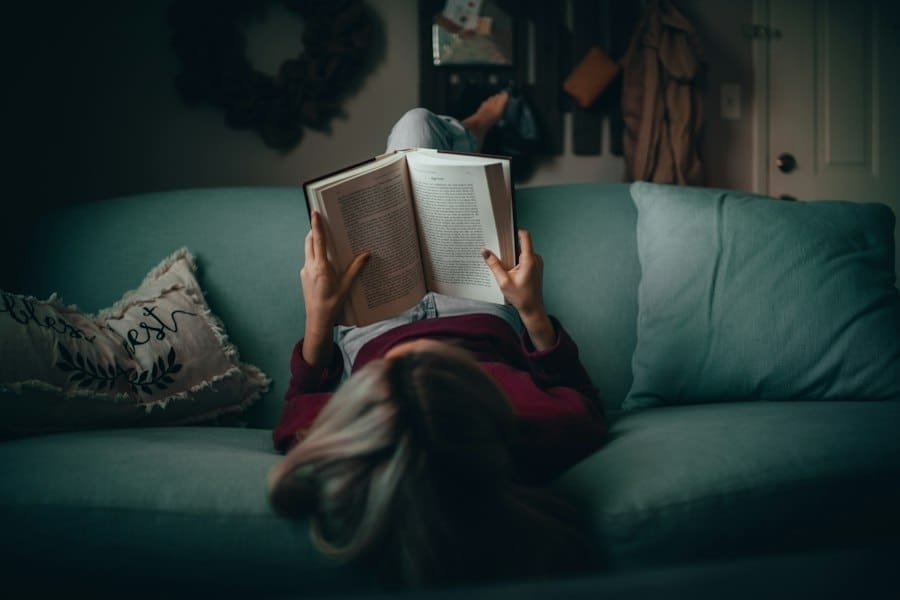
Reading like a writer isn't a passive activity; it demands engagement. It's about approaching every book with a questioning mind, a critical eye, and an open heart, ready to learn. It's about moving beyond simply experiencing the story to understanding its construction.
Annotating and Note-Taking
This has become an indispensable part of my reading process. My books are no longer pristine. Margins are filled with questions, observations, and symbols. I underline striking sentences, circle powerful verbs, and highlight intriguing descriptions. I note instances of foreshadowing, character introductions, and shifts in tone. If a particular passage confuses me, I write "why?" or "how?" in the margin. If a phrase particularly resonates, I jot down "great phrasing!" or "mimic this."
I also keep a dedicated reading journal. In it, I record broader reflections: What themes are emerging? What questions is the author implicitly asking? How does this book make me feel, and why? I might even attempt to rewrite a particularly impactful paragraph in my own words, not to plagiarize, but to understand the author's choices on a deeper level. This active engagement with the text transforms reading from a solitary consumption into a dialogue with the author, a process of co-creation where I'm not just receiving, but actively interpreting and learning.
Re-reading with Purpose
The first time I read a book, I often allow myself to be swept away by the narrative. It’s an essential part of the experience, the pure joy of discovery. But to truly read like a writer, re-reading is crucial. The second, third, or even fourth time through, I approach the text with specific questions in mind. On one re-read, I might focus solely on the author's use of dialogue. On another, I might track the development of a specific secondary character.
When I re-read To Kill a Mockingbird, for instance, I was no longer just experiencing the story through Scout's innocent eyes. I was dissecting Harper Lee's masterful use of metaphor and symbolism, her subtle foreshadowing, and the profound social commentary woven into every thread of the narrative. I paid attention to the way she builds suspense during the trial and how she manages to convey complex moral dilemmas through simple, yet powerful, prose. This focused re-reading allows me to peel back the layers of the story, revealing the intricate artistry beneath the surface and uncovering techniques that I can then adapt for my own writing.
Identifying and Internalizing Techniques
The ultimate goal of reading like a writer is not just to appreciate brilliant writing, but to internalize the techniques employed by the masters. It’s about building a toolbox of literary devices and narrative strategies that I can then draw upon in my own work.
Creating a Toolkit of Favorite Phrases and Structures
As I read, I'm constantly on the lookout for unique turns of phrase, compelling sentence structures, and evocative descriptions that strike me as particularly effective. I keep a running list of these in my journal. It’s not about copying them directly, but about understanding what makes them work and how I might apply a similar principle to my own writing. For instance, I might note how a certain author uses a series of short, declarative sentences to create a sense of urgency, or how another employs a sweeping, complex sentence to convey a character’s internal monologue.
I pay close attention to how authors transition between scenes or paragraphs. Do they use bridging phrases? Do they jump directly? How do they signal a change in time or location without explicitly stating it? These seemingly minor details are crucial to maintaining narrative flow and can elevate a piece of writing significantly. This collection of observations becomes a personal style guide, a rich repository of ideas and inspiration for my own creative endeavors.
Learning from Different Genres
I used to stick to genres I enjoyed, primarily literary fiction and historical novels. But reading like a writer has encouraged me to venture beyond my comfort zone. I’ve discovered that invaluable lessons can be gleaned from unexpected places. A mystery novel can teach me about plotting and pacing. A science fiction epic can offer insights into world-building and character motivation on a grand scale. Even poetry, with its condensed language and powerful imagery, has taught me about precision and the impact of every single word.
Reading outside my preferred genres has broadened my understanding of narrative possibilities and stylistic approaches. I've learned that effective dialogue isn't exclusive to one genre, nor is compelling character development. It's about finding the underlying principles of good storytelling, regardless of the specific setting or subject matter. This cross-pollination of ideas enriches my own writing, making it more versatile and dynamic.
In the journey of becoming a better writer, exploring various resources can be incredibly beneficial. One such resource is the article that discusses how a story bible can enhance your writing process. By creating a comprehensive guide for your narrative, you can maintain consistency and depth in your storytelling. This concept aligns well with the ideas presented in "Reading Like a Writer: How to Learn From Books You Love," as both emphasize the importance of structure and intention in writing. For more insights on this topic, you can read about it in this article.
Applying Lessons to My Own Writing
The true test of reading like a writer lies in its application. It’s not enough to simply identify techniques; I must actively try to incorporate them into my own work. This is where the learning truly solidifies.
Experimenting with Learned Techniques
When I sit down to write, I often think back to the books I’ve recently analyzed. How did that author build suspense in a similar scene? What kind of dialogue did they use to reveal character? I might try to emulate a particular sentence structure or experiment with a different narrative perspective, just to see how it feels and what effect it creates. It’s not about imitation, but about conscious experimentation. I think of it as practicing scales on a musical instrument, trying out different chords and melodies until I find my own unique voice.
For example, after studying how a favorite author used sensory details to create a vivid setting, I consciously challenged myself to include at least three different senses in every scene description I wrote. After analyzing how another author masterfully handled internal monologue, I dedicated a writing session to exploring my character's inner thoughts in a similar way. These deliberate exercises, inspired by my reading, are instrumental in expanding my own writing repertoire and pushing me beyond my comfort zone.
Developing a Critical Eye for My Own Work
Perhaps the most significant benefit of reading like a writer is the critical lens it provides for my own prose. When I re-read my own drafts, I’m no longer just looking for typos or grammatical errors. I’m asking the same questions I would ask of a published work: Is the pacing effective here? Is this character's motivation clear? Does the dialogue sound authentic? Is the prose engaging?
This newfound critical faculty allows me to identify weaknesses and areas for improvement in my own writing that I would have previously overlooked. It helps me to move beyond the initial thrill of creation to the more challenging, but ultimately more rewarding, process of refinement and revision. I've learned to be both a passionate writer and a ruthless editor of my own work, always striving for clarity, impact, and authenticity, just as the authors I admire have done.
The Continuous Journey of Learning
Reading like a writer is not a destination; it is an ongoing journey. Every book I pick up, regardless of genre or acclaim, holds the potential to teach me something new. It’s a commitment to lifelong learning, a constant striving for improvement in my craft.
I no longer see a distinction between reading for pleasure and reading for learning. The two have become inextricably intertwined. The deeper I delve into the mechanics of storytelling, the greater my appreciation for the artistry involved. Every time I discover a new technique or gain a deeper understanding of an author’s choices, it feels like a small triumph, a tiny step forward in my own evolution as a writer.
Final Thoughts on Reading Like A Writer
This approach has transformed my relationship with books, enriching it in ways I never anticipated. My bookshelves are no longer just repositories of stories; they are a library of mentors, a collection of masterworks waiting to be studied, dissected, and learned from. And every time I turn a page, I'm not just escaping into another world; I'm actively building the foundations of my own. It is a powerful and humbling experience, and one that I wholeheartedly recommend to anyone who dreams of putting their own stories on paper. The best teachers, I’ve found, are often the ones already speaking to us from the pages of our favorite books. All we have to do is learn to listen differently.
Want to keep it all in one place? Story Bible Studio gives you a free digital story bible for your characters, places and plot, and Chain Story Online is a free place to test ideas in short collaborative stories.
Related reading: Unlock Your Creativity: Daily, Fiction, and 30 Day Writing Prompts · Overcoming Imposter Syndrome: Building Writing Confidence
Written by Enda Storrie, writer and creator of Story Bible.


