How to write about hope without being sentimental: earn it through struggle, keep it honest and let small moments carry it.
The Elusive Balance: Finding Authenticity in Hope
I've spent years grappling with the delicate art of writing about hope. It's a subject that can easily tip into saccharine clichés, a trap I'm constantly striving to avoid. The world, as I see it, is a complex tapestry of light and shadow, and any portrayal of hope that doesn't acknowledge the darkness feels not only disingenuous but ultimately less impactful.
My goal, always, is to present hope not as a naive wish, but as a hard-won perspective, a resilience born from struggle. It’s about finding the glimmers, the small acts of courage, the persistent human spirit, without ever sugarcoating the pain that often precedes or accompanies them. This isn't just an intellectual exercise for me; it's a fundamental part of how I understand and try to represent the human experience in my writing.
I believe that true hope, the kind that resonates deeply and offers genuine solace or inspiration, is always grounded in reality, however harsh that reality may be. It's the kind of hope that acknowledges the weight of the world but chooses, often with great effort, to lift its gaze.
Understanding the Pitfalls of Sentimentality
Sentimentality, in the context of hope, is often born from a desire to comfort, to uplift, to offer a neat solution to untidy problems. But true comfort, I've found, comes not from denial, but from understanding. When I write about hope, I'm keenly aware of the pitfalls. A character who is relentlessly optimistic despite overwhelming odds can feel flat and unbelievable. A narrative that neatly resolves all conflict with a bright, sunny ending often leaves readers feeling unsatisfied, even manipulated. I'm always asking myself: where does the line lie between genuine uplift and a forced, unearned cheerfulness? It's a question I revisit with every draft, every sentence.
The Power of Acknowledging the Dark
For me, the key to avoiding sentimentality is to fully acknowledge the darkness. Hope, to be truly meaningful, must emerge from a place where despair is a very real possibility. When I write, I strive to show the struggles, the doubts, the pain, and the moments when all seems lost. It is only when these darker aspects are fully explored that the emergence of hope feels authentic and earned.
Think of a character battling a chronic illness: if I only focus on their positive attitude and miraculous recovery, it feels disingenuous. But if I show their moments of frustration, their physical pain, their fear, and then the small, courageous acts of perseverance or the genuine connection they find with others, the hope that flickers to life is far more powerful.
It’s not about ignoring the bad; it’s about finding the good within or despite the bad.
In exploring the delicate balance of writing about hope without veering into sentimentality, it's essential to consider how the narrator's perspective can significantly influence the tone and impact of your narrative. A related article that delves into this topic is "The Power of Perspective: How the Narrator Shapes Your Story," which discusses how different narrative voices can either amplify or dilute the themes of hope and resilience in storytelling. You can read it here: The Power of Perspective: How the Narrator Shapes Your Story. This resource provides valuable insights that can enhance your understanding of how to effectively convey hope in your writing.
Crafting Characters Who Embody Realistic Hope
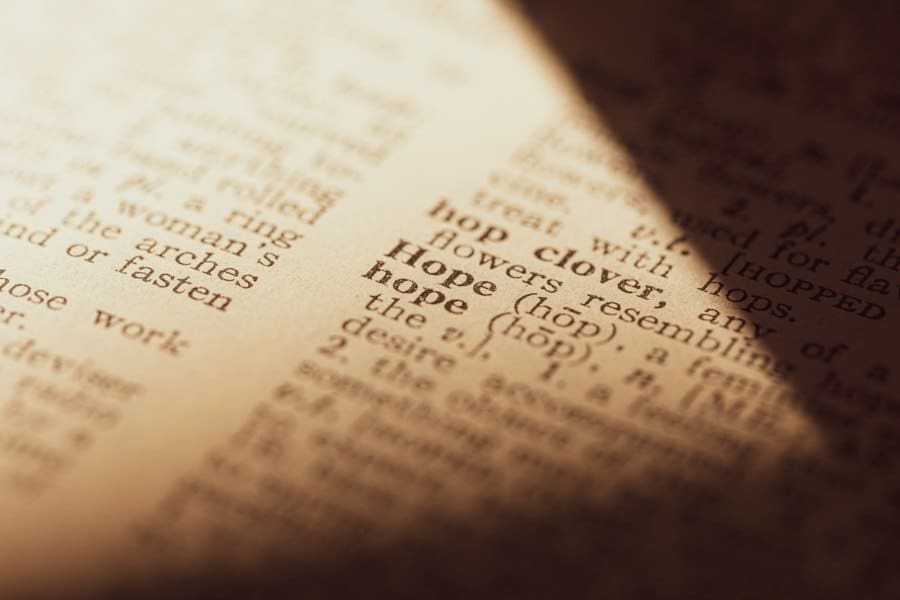
When I'm developing characters, I aim for them to be complex and multi-faceted, reflecting the messy reality of human existence. Their hope isn't a static trait; it's a dynamic process, often an internal battle. I want readers to see the work involved in maintaining a hopeful outlook, the strength it takes to choose optimism in the face of adversity. This means giving my characters doubts, flaws, and moments of despair. It means allowing them to fail, to stumble, to make mistakes. It is in these vulnerable moments that their eventual, often hard-won, hope becomes truly believable and resonant.
The Role of Resilience, Not Naiveté
For my characters, hope isn't about being naive or ignorant of the world's harshness. It's about resilience. It's about their capacity to bounce back, to find meaning, to adapt, and to keep moving forward even when the path is unclear or fraught with obstacles. I often explore how characters find this resilience – sometimes it's through connection with others, sometimes through an internal wellspring of strength, sometimes through a renewed sense of purpose.
It’s never a simple, unthinking optimism. It’s a cultivated strength, a deliberate choice, often forged in the fires of personal struggle. I want readers to see that resilience isn't about being immune to pain, but about enduring it and still finding reasons to believe in a better tomorrow.
Hope as an Active Verb, Not a Passive State
I try to portray hope not as a passive feeling, but as an active verb. My characters don’t just feel hopeful; they act hopefully. They make choices, they take risks, they engage with the world around them, even when it’s difficult. This might manifest as a character reaching out to help someone else despite their own struggles, or pursuing a small goal that brings them a sense of accomplishment, or simply choosing to get out of bed in the morning when every fiber of their being wants to give up.
These aren't grand, cinematic gestures of hope, but often quiet, everyday acts of defiance against despair. It's in these small, deliberate actions that the true strength of their hope is revealed, making it feel organic and authentic.
Utilizing Detail and Specificity Over Broad Strokes
One of my most reliable tools for avoiding sentimentality is to lean heavily on detail and specificity. Vague statements about hope or resilience tend to fall flat, echoing generic self-help mantras. Instead, I focus on concrete actions, sensory details, and specific internal thoughts that ground the experience in reality. When I describe a moment of hope, I want the reader to see it, hear it, feel it, taste it – to experience it with all their senses, rather than just be told about it. This tangible grounding makes the emotion far more powerful and believable.
Grounding Hope in Concrete Actions
Instead of writing that a character “felt hopeful,” I try to show how they demonstrate hope through their actions. Perhaps they plant a tiny seed in barren soil, a silent act of faith in growth despite the harsh environment. Or they meticulously repair a broken item, investing time and care into something that others might discard, signaling a belief in renewal and worth. These small, observable actions communicate hope far more effectively than any abstract declaration. They demonstrate a character’s commitment to the future, however uncertain, and their willingness to invest effort into making things better, even if only in a small way. It’s about illustrating the practical, tangible manifestations of an internal state.
The Power of Sensory Details and Specific Moments
When I want to convey a glimmer of hope, I often turn to sensory details. The warmth of a single ray of sunlight breaking through clouds after a storm, the unexpected scent of a blooming flower in a desolate landscape, the taste of a simple, comforting meal shared with a loved one – these specific, sensory experiences can evoke hope far more powerfully than any abstract description.
They connect the reader directly to the character’s immediate experience, making the emotion palpable and real. It’s about capturing those small, specific moments that, in their particularity, resonate universally. A bird singing in the quiet of a devastated city, the faint sound of laughter from a distant window – these are the details that anchor hope in the tangible world.
Embracing Imperfection and Unresolved Questions
True hope, in my view, is rarely neat or fully resolved. It coexists with uncertainty, and often, with lingering pain. I resist the urge to tie everything up in a perfect bow at the end of my narratives. Life doesn't offer such neat conclusions, and neither should my stories, if I want them to ring true. Leaving some questions unanswered, some challenges partially resolved, allows for a more authentic depiction of hope, one that acknowledges the ongoing, often messy, nature of existence. It suggests that hope isn't an arrival point, but a journey, a continuous act of choosing to believe and strive.
Hope Amidst Unfinished Business
In my writing, I often explore hope in situations where there's still a great deal of unfinished business. A character might find a flicker of hope for their future, even as their past traumas remain largely unaddressed. Or they might find connection and purpose, even as a larger societal problem they're fighting continues to rage on. This isn't about ignoring the difficulties; it's about showing that hope can emerge even when the path ahead is still murky and full of challenges.
It's a testament to the human capacity to find light even when the darkness hasn't fully receded. This mirrors real life, where we rarely achieve a state of perfect resolution; rather, we learn to live with and find meaning amidst ongoing struggles.
The Nuance of Bittersweet Endings
" These are not overtly tragic, nor are they triumphantly joyful. Instead, they acknowledge both the gains and the losses, the progress and the lingering difficulties. A character might achieve a personal victory, but at a significant cost, or they might find a new direction, but with the understanding that the journey will still be hard. This kind of ending allows hope to shine through, but it's a tempered, realistic hope, one that is more deeply felt precisely because it acknowledges the full spectrum of human experience.
It leaves the reader with a sense of possibility, but also with the understanding that life is an ongoing process, not a final destination.
In exploring the delicate balance of writing about hope without falling into sentimentality, you might find it helpful to read an insightful article on the power of theme in storytelling. This piece delves into how themes can elevate narratives and resonate with readers on a deeper level. By understanding the nuances of theme, writers can effectively convey hope in a way that feels authentic and grounded. For more on this topic, check out the article on the power of theme revealed.
The Writer’s Own Vulnerability and Perspective
Finally, and perhaps most importantly, I believe that writing about hope without being sentimental requires a certain level of vulnerability from me, the writer. It means being willing to engage with my own experiences of pain and despair, and to understand where my own hope truly comes from. If I try to write about hope from a purely intellectual or detached place, it will inevitably feel hollow. My own understanding of struggle, my own moments of doubt, inform the authenticity of the hope I try to portray. It's a constant process of introspection and empathy.
Drawing From Personal Experience (with Discretion)
While I never directly insert my life into my fiction, my personal experiences with adversity and the ways I've found strength and hope certainly inform my characters and narratives. I consider what it truly feels like to be at a low point, what small thing might offer a flicker of light, what resilience actually looks like when no one is watching.
This introspection allows me to infuse my writing with an emotional honesty that transcends mere plot points. It's about tapping into universal human experiences of struggle and endurance, filtering them through my unique lens, and then translating them into the fictional world. This doesn't mean I write memoir; it means I draw on the wellspring of human emotion that I, too, am a part of.
The Ethos of Earned Optimism
" It's not a default setting, but a perspective cultivated through struggle and reflection. It acknowledges that the world can be harsh, but that within that harshness, there is always the potential for connection, growth, and meaning. This ethos guides every character I create and every narrative choice I make. I want my readers to feel that the hope they encounter in my stories is not just given, but achieved – that it’s something to be aspired to, not just passively received.
Final Thoughts on Write About Hope
It's a hope that empowers, rather than patronizes, recognizing the reader's own capacity for resilience and their own complex understanding of the world. Ultimately, my goal is to offer a reflection of hope that is as multifaceted, challenging, and ultimately, as real as life itself.
Want to keep it all in one place? Story Bible Studio gives you a free digital story bible for your characters, places and plot, and Chain Story Online is a free place to test ideas in short collaborative stories.
Related reading: Unveiling Symbolism and Motifs in Literature · Shot to the Heart: The Great Power Of Theme Revealed
Written by Enda Storrie, writer and creator of Story Bible.