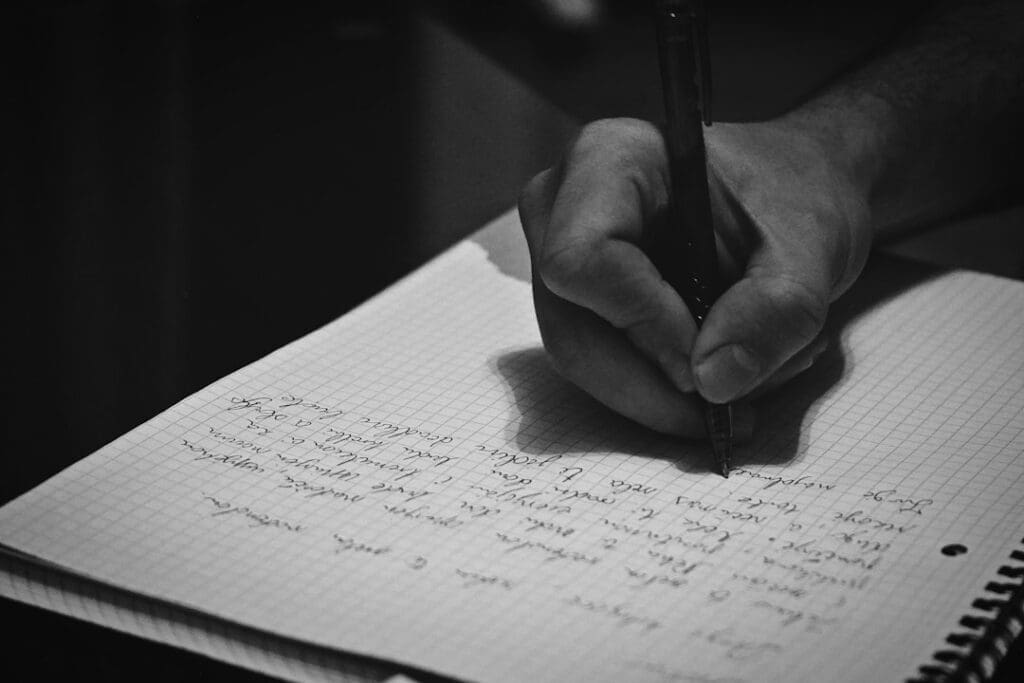
How to write a death scene that moves readers: earn the emotion, choose the right moment and handle grief with honesty and care.
Understanding the Weight of a Character's Demise
As a writer, one of the most daunting yet profoundly impactful tasks I face is crafting a death scene. It's not merely about ending a character's journey; it's about invoking a visceral, emotional response in my readers. I aim for their hearts to ache, their minds to reel, and for the echoes of that character's life to resonate long after the final word of the scene is read. I understand that a character's death, when executed with precision and empathy, can be the turning point of a story, a catalyst for other characters' growth, or a stark reflection of the world I've built. It's a moment of finality, yes, but also a moment of immense potential for narrative power.
Recognizing Different Types of Death
Not all deaths are created equal, and as I approach a death scene, I first consider the type of death I'm depicting. Is it a sudden, shocking accident, a slow, agonizing illness, or a heroic sacrifice? Each type demands a different approach in terms of pacing, detail, and emotional focus. A quick, brutal death might leave readers stunned and grieving for what could have been, while a lingering illness allows for a deeper exploration of themes like acceptance, regret, and the nature of farewells.
I also ponder whether the death is intentional or accidental, internal or external. Does a character succumb to their own flaws, or are they a victim of external circumstances? Understanding these distinctions helps me tailor the scene to achieve the desired emotional impact. For instance, the sudden, senseless death of a beloved sidekick might serve to galvanize the protagonist into action, whereas the drawn-out demise of a primary antagonist could offer a moment of complex, bittersweet reflection for the survivors and the readers alike.
I try to ensure the type of death aligns perfectly with the overall tone and thematic goals of my narrative.
The Role of Death in Story Progression
I also recognize that a character's death is rarely an isolated event. It must serve a purpose within the larger narrative. Sometimes, it's a dramatic turning point, forcing my protagonist to re-evaluate their goals or embark on a new path. Other times, it's a tragic culmination of events, demonstrating the high stakes of the world I've created. I consider how this death will ripple through the lives of the remaining characters.
Will it spark revenge, foster growth, or plunge them into despair? The aftermath of a death scene is often as important, if not more important, than the scene itself. I don't just kill a character; I explore the vacuum they leave behind and the ways in which other characters attempt to fill or navigate that void. It’s about leveraging the emotional fallout to propel the story forward, to reveal hidden strengths or weaknesses in the survivors, and to demonstrate the profound interconnectedness of the characters within my fictional world.
This understanding guides my choices about who dies, when they die, and the specific circumstances surrounding their departure.
If you're looking to enhance your writing skills further, you might find the article on creating compelling characters particularly useful. Understanding how to develop characters that resonate with readers can significantly impact the emotional weight of your death scenes. For more insights, check out this related article on making your characters believable and engaging.
Building Emotional Resonance Before the End
For a death scene to truly move my readers, I understand that the emotional groundwork must be meticulously laid long before the character takes their last breath. It's about investing the reader in the character's life, their dreams, their flaws, and their relationships. I strive to make my readers care deeply about the character, not just as a plot device, but as a living, breathing individual within my story. Without this prior investment, a death, no matter how dramatically described, risks falling flat, becoming merely a plot point rather than a poignant moment of loss.
Cultivating Reader Connection Through Character Development
I dedicate considerable effort to developing my characters in a way that fosters a strong connection with the reader. This involves giving them relatable aspirations, struggles, and personality quirks. I reveal their vulnerabilities, their moments of joy, and their deepest fears. I show, rather than tell, their essence through their actions, dialogue, and internal monologues. For instance, if a character is known for their quirky sense of humor, I ensure that trait is showcased throughout the narrative, making their absence all the more noticeable when they are gone.
I also focus on their relationships with other characters. How do they interact with their loved ones, their rivals, their mentors? These connections add layers to their personality and create an intricate web of interdependence that makes their loss reverberate far beyond their individual existence. The more readers feel they know a character, the more intensely they will feel their absence.
I want my readers to grieve not just for the character, but for the potential that is lost, for the stories left untold.
Utilizing Foreshadowing and Portents
While I don't want to spoil the surprise of a death, I often employ subtle foreshadowing to create a sense of impending doom or inevitability. " but rather about weaving in quiet hints, symbolic imagery, or melancholic reflections that subtly prepare the reader for what might come. Perhaps a character makes a passing comment about their legacy, or a recurring motif of fragility appears around them.
Maybe they have a premonition, or another character expresses an inexplicable unease about their well-being. These small breadcrumbs of foreshadowing, when pieced together later, can amplify the emotional impact of the death. It transforms the death from a sudden, jarring event into a tragic fulfillment, a grim destiny that the reader might subconsciously have anticipated. This technique allows for a deeper, more thoughtful engagement with the loss, as readers can reflect on the clues they might have missed, adding another layer to their emotional processing of the scene.
Highlighting Relationships and Their Stakes
A character's death is rarely an isolated event; it almost always impacts those they leave behind. Therefore, I meticulously build and highlight the relationships a character has. I show the love, the conflict, the dependency, and the camaraderie they share with others. The stronger these bonds, the more devastating their severance will be. I focus on specific interactions, shared memories, inside jokes, and unspoken understandings that illustrate the depth of these connections.
When a character dies, it's not just the individual I'm mourning; it's the ripple effect their absence has on the entire tapestry of relationships within my story. For example, if a character is a steadfast protector, their death might leave a vulnerable loved one exposed, amplifying the tragedy. By investing in these interpersonal dynamics, I ensure that the emotional weight of the death scene is amplified, affecting not only the readers but also propelling the emotional arcs of the surviving characters forward in compelling ways.
Crafting the Scene Itself: The Mechanics of Grief
Once the groundwork for emotional connection is laid, I turn my attention to the actual execution of the death scene. This is where I meticulously choose my words, pace, and point of view to maximize the emotional impact. I aim for authenticity, avoiding melodrama while still allowing for the raw, unfiltered expression of grief and loss.
Choosing the Right Perspective
The point of view I select for the death scene is crucial. Do I tell it from the perspective of the dying character, offering a glimpse into their final thoughts and sensations? Or do I experience it through the eyes of a loved one, focusing on their immediate reactions and the unfolding horror? Each choice offers distinct advantages. A dying character's perspective can be incredibly intimate and poignant, revealing their acceptance, fear, or last wishes.
It allows me to explore themes of mortality and inner peace (or turmoil). Conversely, witnessing the death through the eyes of a survivor amplifies the sense of loss and the visceral shock of the event. It can immerse the reader in the immediate grief and helplessness of those left behind. Sometimes, I even switch perspectives, allowing the reader to see glimpses from multiple angles, broadening the emotional scope of the scene.
I carefully weigh which perspective will best serve the narrative's goals and illicit the strongest emotional response.
Sensory Details and Immediate Impact
I believe that immersing the reader in the sensory experience of the death scene is paramount. This means focusing on what can be seen, heard, smelled, felt, and even tasted. Is there the metallic tang of blood in the air? The muffled cries of onlookers? The coldness of a dying hand? I avoid overly descriptive or flowery language, instead opting for precise, impactful details that evoke a strong, immediate reaction.
For example, rather than simply stating "they died," I might describe the fading light in their eyes, the last rattling breath, or the sudden stillness that descends upon the scene. These concrete details ground the reader in the reality of the moment, making the death feel tangible and immediate. I aim for sensory details that are both impactful and contribute to the emotional weight, ensuring they enhance rather than distract from the core tragedy.
The absence of sound after a frantic struggle, the sudden chill in the air, or the specific way light catches a single tear – these are the nuances that can etch the scene into a reader's memory.
Pacing and Timing: A Deliberate Approach
The pacing of a death scene is a delicate dance. A slow, drawn-out death can build suspense and allow for reflection, while a rapid, shocking death can leave the reader breathless and disoriented. I consider the emotional arc I want to create. For a sudden death, I might use short, sharp sentences and quick cuts to convey the abruptness and chaos.
For a more prolonged death, I might slow the pace, allowing for moments of introspection, dialogue, and the gradual erosion of hope. I also consider the timing within the larger narrative. Does the death occur at the climax, as a devastating turning point? Or is it a quieter moment of tragedy in an otherwise eventful story? The strategic placement and pacing of the death scene are crucial for maximizing its emotional resonance and its impact on the overall story.
It’s about controlling the flow of information and emotion, leading the reader through the experience at the most effective speed.
The Power of Unspoken Words and Silence
Sometimes, what isn't said or described is as powerful as what is. I often use silence and unspoken thoughts to amplify the emotional weight of a death scene. The unspoken fears of the dying character, the choked-back sobs of a loved one, the sudden, deafening quiet after a loud struggle – these moments of silence can speak volumes. A character's last look, a lingering touch, or a gesture of farewell can convey profound meaning without a single word of dialogue.
I also consider the internal monologue of characters witnessing the death. What thoughts are racing through their minds that they cannot articulate? These silent internal struggles can be incredibly effective in conveying the depth of their grief and the shock of the loss. The space between words, the pause in the narrative, can be where the true emotional gravity of the scene resides, allowing the reader to fill in the unspoken sorrow.
The Immediate Aftermath: Echoes of Loss
A death scene doesn't conclude the moment the character ceases to breathe. The immediate aftermath is often where the true impact of the loss begins to unfold, both for the surviving characters and for the reader. I make sure to dedicate sufficient space and attention to these moments, allowing the grief to settle and the consequences to begin manifesting.
The Initial Wave of Grief and Shock
Immediately following a death, I focus on the raw, unfiltered reactions of the surviving characters. This isn't a time for eloquent speeches or profound philosophical musings. It's about the visceral, messy reality of grief: the denial, the shock, the anger, the profound sorrow. I might describe tears that don't come, screams that are choked back, or a numbing silence that descends.
The physical reactions of grief – trembling hands, a hollow ache in the chest, difficulty breathing – are important to convey the immediacy of the pain. I avoid sugarcoating these initial reactions, allowing the characters (and by extension, the readers) to fully experience the crushing weight of loss. This can involve depicting seemingly illogical actions, moments of disbelief, or a sudden, overwhelming sense of emptiness.
I want the reader to feel the sudden void left by the deceased.
The Ripple Effect on Other Characters
A death inevitably creates ripples through the lives of those left behind. I explore how this loss impacts the relationships, motivations, and even the personalities of the surviving characters. Does a previously timid character find new strength in the face of tragedy? Does a loyal companion spiral into despair? I show, rather than tell, these changes through their actions, their dialogue, and their internal thoughts.
For example, if a character was reliant on the deceased for emotional support, their subsequent isolation and struggle to cope become a significant part of their arc. The death of one character can be the catalyst for the growth or downfall of another, setting new paths in motion and fundamentally altering the narrative landscape. I focus on the specific ways in which lives are irrevocably changed, demonstrating the interconnectedness of my characters and the far-reaching consequences of loss.
Foreshadowing Future Consequences
While the immediate grief is paramount, I also use the aftermath of a death scene to subtly foreshadow future consequences and plot developments. This isn't about revealing everything, but rather hinting at the new challenges, conflicts, or opportunities that will arise as a direct result of the character's demise. Perhaps the death leaves a power vacuum, sparking new political intrigue.
Or it might leave behind a secret that will unravel later in the story. These hints can create a sense of anticipation and investment in the unfolding narrative, showing that the death is not an end point, but a crucial juncture that propels the story forward in unexpected ways. It ensures that the death serves as a vital component of the overarching plot, demonstrating its lasting impact beyond the initial shock and sorrow.
When crafting a death scene that resonates with readers, it's essential to consider the impact of narrative perspective on the emotional weight of the moment. A related article discusses how the choice of narrator can significantly shape your story and influence reader engagement. By exploring the nuances of perspective, writers can enhance the depth of their characters' experiences, making pivotal scenes, such as those involving loss, even more poignant. For more insights on this topic, you can read about the importance of perspective in storytelling here.
The Lasting Impact: Weaving Death into the Narrative Fabric
For a death scene to truly move readers, its resonance must extend far beyond the immediate moment. It’s not a standalone event but a thread woven deeply into the fabric of the entire narrative, continuing to influence characters and plot long after the initial grief subsides. I strive to make the memory of the deceased, and the consequences of their passing, a persistent presence in the story.
Sustaining the Memory of the Deceased
I believe it's important to keep the memory of the deceased character alive throughout the remainder of the story. This isn't about dwelling excessively on their death, but rather allowing their influence to continue shaping the narrative. This can be achieved through subtle references, shared memories among surviving characters, or the enduring impact of their actions or philosophy. Perhaps a surviving character frequently recalls advice given by the deceased, or they encounter a place that held special meaning for both of them.
I might even use flashbacks, carefully placed, to reinforce the character's importance and the depth of the loss. The goal is to ensure that the reader, alongside the surviving characters, continues to feel the absence and to acknowledge the lasting legacy of the one who is gone. This ongoing remembrance reinforces the initial emotional impact and prevents the death from becoming a forgotten plot device.
The Long-Term Psychological and Emotional Effects
The psychological and emotional effects of a character's death are rarely short-lived. I explore how grief, trauma, and guilt (if applicable) continue to manifest in the surviving characters over time. This might involve portraying persistent sadness, changes in personality, new fears, or even growth and resilience born from hardship. These long-term effects add depth and realism to the characters' arcs, demonstrating that loss is a complex and ongoing process.
A character who initially reacted with anger might eventually find peace, or one who initially shut down might slowly begin to open up again. I show the various stages of grief and how they influence decision-making, relationships, and personal development, allowing the reader to witness the enduring transformation that springs from such a profound event.
Thematic Reinforcement and Narrative Resolution
Ultimately, a well-crafted death scene should contribute to the overarching themes of my story and play a vital role in its resolution. Does the death serve as a stark reminder of life's fragility, a commentary on the cost of war, or a testament to the power of sacrifice? I consider how the death, and its lasting impact, helps to reinforce the core messages I'm trying to convey.
Final Thoughts on Death Scene
Furthermore, the consequences of the death often drive the plot towards its climax and resolution. Perhaps the death provides the final motivation for the protagonist to confront the antagonist, or it reveals a hidden truth that brings closure to a long-standing mystery. By carefully integrating the death into the thematic and narrative structure, I ensure that it is not merely a tragic event, but a powerful and meaningful component of the entire literary experience, leaving a profound and lasting impression on the reader.
Want to keep it all in one place? Story Bible Studio gives you a free digital story bible for your characters, places and plot, and Chain Story Online is a free place to test ideas in short collaborative stories.
Related reading: Scene Transitions: How to Move Smoothly Between Scenes · Crafting Compelling Scenes: The Art of Scene Structure, Writing, and Sequels
Written by Enda Storrie, writer and creator of Story Bible.