Crafting Believable Boundaries: Defining Your Small Town
You want to transport your readers to a place they can feel, smell, and understand, a place that, despite its fictional roots, resonates with the genuine charm and subtle complexities of a real small town. This journey begins with establishing clear, believable boundaries – not just geographical, but also social and cultural. You’re not just sketching a map; you’re drawing the lines of a world.
The Geography of Intimacy
Think about the physical layout of your town. Is it nestled in a valley, perched on a coastline, or sprawled across rolling plains? These geographical features are more than just scenery; they actively shape the lives of your inhabitants. A town surrounded by mountains might foster a sense of isolation and self-reliance, while a coastal town might have a vibrant fishing industry and a population deeply connected to the sea. You need to consider how these elements influence daily routines, local industries, and even leisure activities.
Imagine the central hub. Is there a town square with a bandstand, a bustling main street lined with independent shops, or a quiet general store that doubles as a community bulletin board? These focal points are where stories converge. Picture the old movie theater, now perhaps a thrift store, or the diner where everyone knows your order before you even sit down. These aren’t just buildings; they’re repositories of shared history and collective memory.
Beyond the core, consider the surrounding areas. Are there farms, forests, or forgotten industrial sites? How do these fringes interact with the town proper? Perhaps the town relies on the farms for its produce, or the forgotten factory holds secrets from a bygone era. These peripheral spaces can add layers of intrigue and opportunity for conflict or discovery. Don’t just list landmarks; describe their relationship to one another and to the town’s inhabitants. The church steeple might be the tallest structure, visible from every corner, symbolizing faith and community. The single stoplight at the main intersection might be a testament to the town’s slow pace of life.
The Social Fabric: Weaving Interconnected Lives
In a small town, everyone knows everyone – or at least, everyone thinks they do. This interconnectedness is a cornerstone of the small-town experience, and you need to leverage it. Consider the various social circles and how they overlap. The church congregation, the high school alumni, the local bridge club – these aren’t just groups; they’re intricate webs of relationships that define individuals and the town itself.
Think about the established families, the newcomers, and the outliers. How long have certain families lived in town, and what is their reputation? Are there any founding families whose names are synonymous with the town’s history? What happens when a stranger arrives, and how do they integrate (or fail to integrate) into the existing social order? These dynamics provide fertile ground for character development and plot points.
Consider the informal channels of communication. Gossip travels fast in a small town, often through the beauty salon, the barbershop, or the local café. These unofficial news networks are powerful forces, shaping opinions and reputations. You can use these channels to reveal character, introduce conflict, or even provide exposition. Don’t underestimate the power of a well-placed rumor.
The Rhythms of Life: Time and Tradition
Small towns often move at a different pace than bustling cities. There’s a cyclical nature to life, dictated by seasons, holidays, and long-held traditions. You need to capture this rhythm. What are the annual events that bring the community together – the harvest festival, the Fourth of July parade, the Christmas tree lighting? These traditions are more than just celebrations; they’re rituals that reinforce a shared identity and provide opportunities for characters to interact in meaningful ways.
Consider the town’s history. Has it always been a quiet farming community, or does it have a past marked by boom-and-bust cycles, forgotten industries, or even scandal? These historical layers can add depth and complexity, providing explanations for present-day attitudes and conflicts. An abandoned mill might hint at economic hardship, while a stately old mansion might whisper tales of a prominent family’s rise and fall.
The passage of time itself can be a character in a small town. Generations live and die within its borders, leaving their indelible mark. You can use this sense of continuity, or even stagnation, to evoke specific moods and themes. Perhaps the town is resistant to change, clinging to old ways, or perhaps it’s grappling with the slow erosion of its identity as younger generations move away.
If you’re looking to enhance your small-town setting with compelling narratives, you might find it helpful to explore the distinctions between plot and story in your writing. A related article that delves into this topic is “Unravel the Secrets of Plot vs. Story,” which provides valuable insights on how to effectively structure your narrative to engage readers. You can read it here: Unravel the Secrets of Plot vs. Story. This understanding can help you create a more immersive and relatable small-town atmosphere in your writing.
Populating Your Pockets of Humanity: Creating Memorable Characters
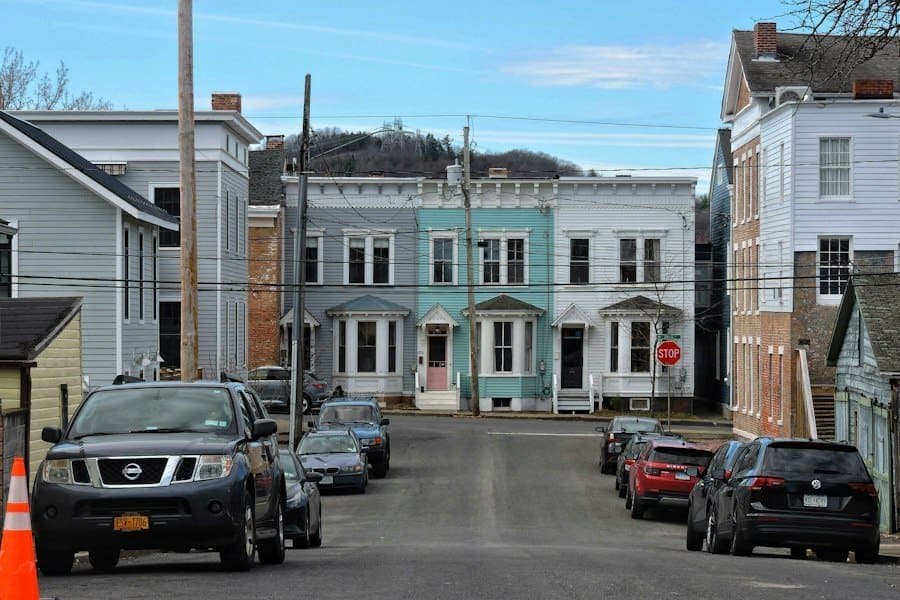
A small town isn’t just a place; it’s a collection of people, each with their own quirks, secrets, and dreams. To make your small town truly come alive, you need to populate it with characters who feel authentic and multifaceted, characters readers will care about and remember long after they’ve turned the final page.
Beyond Stereotypes: Unearthing the Unexpected
It’s easy to fall into the trap of creating stock small-town characters: the gossipy postmistress, the gruff sheriff, the kindly old baker. While these archetypes can serve as starting points, you need to dig deeper. Give your characters unexpected layers, contradictions, and motivations that defy easy categorization. The gruff sheriff might have a secret passion for poetry, or the kindly baker might harbor a painful past.
Think about the roles your characters play within the community. Who is the town matriarch, the unofficial mayor, the local eccentric? How do these roles influence their interactions and their perspectives? But don’t let their role define them entirely. Explore their personal lives, their hidden desires, and the aspects of their personality that only a few close individuals might ever see.
Consider their unique voices and mannerisms. Do they have a regional accent or particular turns of phrase? Do they have a distinctive walk, a nervous habit, or a signature piece of clothing? These small details can bring a character to life and make them feel more real to your readers.
The Interplay of Personalities: Forging Relationships
In a small town, relationships are everything. They are the ties that bind, the sources of support, and often, the origins of conflict. You need to explore the intricate web of connections between your characters. Who are best friends, lifelong rivals, or secret lovers? What are the unspoken histories that shape their interactions?
Show, don’t just tell, these relationships. Instead of stating that two characters are close, depict their easy banter, their shared inside jokes, or the way they instinctively know what the other is thinking. For rivalries, show the subtle jabs, the competitive glances, or the long-simmering resentment that flares up over minor disagreements.
Consider the impact of family history on present-day relationships. Are there generational feuds, long-held alliances, or family secrets that continue to influence how characters interact? The weight of family legacy can be a powerful force in a small town, shaping destinies and dictating loyalties.
The Outsider’s Perspective: A Catalyst for Change
Introducing an outsider into your small-town setting can be a powerful narrative device. The newcomer’s fresh perspective can highlight the town’s unique customs, challenge existing norms, or even uncover long-buried truths. How do the townspeople react to this new arrival? Are they welcoming, suspicious, or indifferent?
The outsider’s journey of integration (or lack thereof) can reveal much about the town’s character and its inhabitants. Do they find a place for themselves, or do they remain forever on the fringes? Their presence can force the town to confront its own biases, traditions, and sometimes, its darker side. This interaction can be a source of humor, tension, or profound introspection.
Think about what the outsider represents. Are they a symbol of change, a threat to the status quo, or a mirror reflecting the town’s hidden flaws? Their role can be pivotal in driving the narrative and revealing the complexities of your small-town world.
The Undercurrents of Community: Weaving in Conflict and Charm

A truly compelling small town isn’t just idyllic; it’s a place where human nature, in all its messy glory, plays out. You need to infuse your setting with both the heartwarming charm that draws readers in and the simmering conflicts that keep them turning pages.
The Beauty of Everyday Life: Moments of Connection
Showcase the small, everyday moments that define life in your town. The morning coffee ritual at the local diner, the friendly wave from a neighbor, the shared laughter at a community picnic. These seemingly insignificant details are the building blocks of small-town charm. They create a sense of authenticity and warmth that makes readers feel like they’re truly part of the community.
Describe the sensory details that bring these moments to life. The aroma of freshly baked bread wafting from the bakery, the gentle hum of cicadas on a summer evening, the crunch of fallen leaves underfoot in autumn. Engage all five senses to immerse your readers in the experience.
Consider the simple acts of kindness and generosity that often characterize small towns. A neighbor bringing over a casserole to someone in need, volunteers coming together for a town beautification project, or the collective mourning for a lost loved one. These moments of shared humanity are powerful and can deeply resonate with your audience.
The Shadows Beneath the Surface: Sources of Tension
Beneath the veneer of peace and quiet, every small town has its tensions. These can be overt conflicts, like a long-standing property dispute, or more subtle struggles, like quiet resentments or unspoken desires. These undercurrents of conflict add depth and realism to your setting.
Think about the sources of friction within your community. Is there a generational divide, a clash between old traditions and new ideas, or an economic struggle that pits neighbor against neighbor? Perhaps there’s a secret history, a scandal that everyone knows but no one talks about, casting a long shadow over the present.
The intimacy of a small town can magnify these conflicts. When everyone knows everyone else’s business, disagreements can become deeply personal and long-lasting. Gossip and rumors can fuel the flames, turning minor squabbles into full-blown feuds. Explore how these conflicts impact individual characters and the community as a whole.
Morality and Mores: The Unwritten Rules
Small towns often have their own unwritten codes of conduct, their own distinct sense of right and wrong. What are the values that your town upholds, and what happens when those values are challenged? Is there a strong emphasis on community, tradition, or self-reliance?
Consider how characters navigate these moral landscapes. Do they conform to expectations, rebel against them, or find a way to forge their own path? The tension between individual desires and community expectations can be a rich source of conflict and character development.
Explore the hypocrisy that can sometimes exist in small towns, where appearances are maintained, but darker truths lie just beneath the surface. This can add a layer of complexity and intrigue, forcing readers to question what they see and what they believe.
Engaging All the Senses: Immersing Your Reader
To truly transport your readers to your small town, you need to engage all their senses. It’s not enough to simply describe what your town looks like; you need to make them feel like they’re standing on its main street, breathing its air, and hearing its unique sounds.
The Visual Tapestry: Painting with Words
Go beyond generic descriptions. Instead of saying “the town was pretty,” describe the specific visual details that make it so. Is it the peeling paint on the old storefronts, the vibrant blooms spilling from window boxes, or the way the morning light filters through the ancient oak trees in the town square?
Use evocative imagery and sensory language to create a vivid picture in the reader’s mind. What colors dominate the landscape? Are there architectural styles that define the town’s aesthetic? Does the town have a particular landmark that serves as its visual anchor?
Consider the changing seasons and how they affect the town’s appearance. The crispness of autumn leaves scattered on the sidewalks, the heavy blanket of snow transforming familiar landscapes, or the lush greenery of summer. These seasonal shifts can add another layer of visual richness to your descriptions.
The Soundscape: The Town’s Unique Voice
What does your small town sound like? Is it the distant bleating of sheep from a nearby farm, the gentle chime of the church bells, or the rhythmic creak of the old porch swing at Mrs. Henderson’s house? These specific sounds contribute to the town’s unique atmosphere.
Don’t forget the sounds of human interaction. The murmurs of conversation at the local café, the laughter of children playing in the park, the hushed tones of a secret whispered on a street corner. These auditory details bring your characters and their interactions to life.
Consider the absence of sound as well. The profound quiet of a deserted street late at night, broken only by the chirping of crickets, can be just as impactful as a cacophony of noise. Contrast the bustling sounds of a festival with the peaceful stillness of a Sunday afternoon.
The Scents and Flavors: Aromatic Authenticity
Smell is a powerful sense, often strongly linked to memory and emotion. What are the signature scents of your small town? The earthy smell of freshly tilled soil, the sweet aroma of baking pies from the local bakery, the salty tang of the sea air, or the lingering scent of woodsmoke from a chimney.
Use these smells to evoke specific feelings and memories. The scent of pine needles might transport a character back to their childhood, while the metallic tang of rain on hot asphalt might foreshadow an impending storm.
And what about taste? Food plays a significant role in community life. Describe the flavors of local dishes, the warmth of a homemade meal shared with neighbors, or the specific taste of the town’s annual fairground delicacies. These culinary details can add another layer of authenticity and cultural flavor to your setting.
If you’re looking to enhance your writing skills, particularly in crafting engaging small-town settings, you might find it helpful to explore a related article that delves into character development in storytelling. Understanding how to create believable characters can significantly enrich your small-town narratives. For more insights, check out this informative piece on making your characters resonate with readers.
The Art of Subtlety: Avoiding Stereotypes and Caricatures
While there are common threads that run through many small towns, your goal is to create a unique and believable place, not a collection of clichés. The art lies in the subtle nuances and the careful avoidance of generic representations.
Beyond the Picturesque: Embracing Imperfection
Resist the urge to portray your small town as a flawless utopia. Real small towns, like real people, have their imperfections. There might be neglected buildings, areas struggling with economic hardship, or historical injustices that still linger. These flaws add depth and realism.
Show the grittier side of life without resorting to overt negativity. Perhaps the general store is a bit dusty and disorganized, but the owner knows every customer by name. The town might not have a vibrant nightlife, but it boasts a strong sense of community and support.
Embrace the complexities. A town that seems idyllic on the surface might harbor simmering tensions, and a town that appears rundown might have a vibrant, resilient spirit beneath it all. The contrast between appearance and reality can be a powerful narrative tool.
The Nuances of Dialogue: Authentic Voices
Small-town dialogue should reflect the specific rhythms and vocabulary of your region. Avoid generic conversation; instead, listen to how people really speak in similar settings. Are there particular slang terms, regionalisms, or speech patterns that define your characters’ voices?
Consider the unspoken elements of communication. In a small town, a raised eyebrow, a knowing glance, or a pregnant pause can convey as much as a full sentence. Leverage these subtle cues to deepen character and plot.
Don’t make all your characters sound the same. Each character should have a distinct voice that reflects their personality, their background, and their place within the community. The way the mayor speaks will likely differ from the way the local mechanic speaks.
Avoiding “Small-Mindedness”: Depth of Thought
While small towns can sometimes be associated with insularity or narrow-mindedness, don’t let your characters fall into that trap. Even in a seemingly confined world, characters can possess profound insights, complex philosophies, and a deep understanding of human nature.
Explore the intellectual and emotional lives of your characters. What do they read, what do they think about, what are their aspirations? Their small-town setting might inform their perspectives, but it shouldn’t limit their capacity for thought or emotion.
Challenge reader expectations. A character who seems simple on the surface might reveal surprising depth, and a character who appears worldly might be secretly yearning for the comforts of their small-town roots. The true richness of a small town lies in the intricate inner worlds of its inhabitants.
P.S. Planning a story? Grab the free Story Bible Starter Kit: 8 fillable pages for your characters, places and timeline.