
The Crucial Overture: Why Your Book Title Demands Attention
In the grand symphony of publishing, your book title isn’t just a label; it’s the overture, the first note struck that determines whether an audience will settle in for the performance or quietly exit the hall. In an increasingly saturated market, where millions of titles vie for finite attention spans, a compelling book title is no longer a luxury but an absolute necessity. It’s the initial handshake, the whispered promise, the succinct encapsulation of the journey you’re about to offer.
Consider the immense volume of content consumers sift through daily, from endless social media feeds to sprawling e-commerce platforms. A book title, therefore, must work exceptionally hard to cut through this noise. It serves as the primary beacon, guiding potential readers through the digital wilderness of Amazon listings and the physical labyrinth of bookstore shelves. Recent guidance overwhelmingly emphasizes simplicity, strong hooks, and an immediate alignment with genre expectations. Readers want to know, almost instinctively, what kind of experience they’re signing up for. A book title that clearly signals the book’s promise effectively clears the first hurdle in the reader's decision-making process.
Beyond initial attraction, a well-crafted book title carries significant weight in broader industry visibility. Current publishing news consistently highlights how memorable naming contributes to a work's standing in award considerations, marketing campaigns, and even the potential for adaptation into film or television. A title that resonates can become a shorthand for an entire narrative, a cultural touchstone that helps a work stand out in crowded literary attention cycles. It’s the foundation upon which marketing campaigns are built, the phrase whispered in book clubs, and often, the key identifier that sticks in a literary critic's mind. Overlooking the strategic importance of your title is akin to launching a ship without a name – it might sail, but it will struggle to be remembered, celebrated, or easily navigated.
When it comes to crafting the perfect title for your book, understanding the premise of your story is crucial. A well-thought-out premise can inspire a compelling title that resonates with readers. For more insights on how to effectively develop your story's premise and its impact on your book title, check out this informative article on understanding premise: top 3 tips for crafting one. This resource will guide you in generating creative book title ideas that align with your novel's themes and message.
Unearthing Gems Within Your Narrative: Mining Your Manuscript for Inspiration
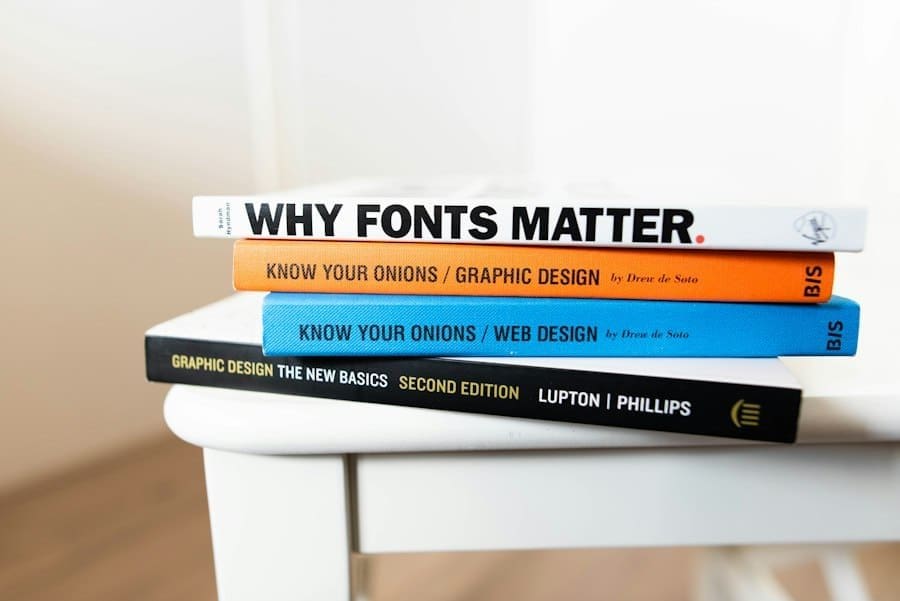
The most potent book title often doesn't spring from thin air or an external brainstorming session divorced from your creative core. Instead, they emerge from the very fabric of your story, from the language you've meticulously woven throughout your manuscript. Pulling book title ideas directly from your work's own language isn't just an exercise in convenience; it’s a deeply effective strategy for ensuring authenticity and resonance. Your manuscript is a treasure trove of recurring phrases, key themes, and emotionally charged words – all potential candidates for your book’s defining moniker.
The Power of Recurring Phrases and Keywords
As you write, certain phrases or concepts will naturally repeat, subtly or overtly, because they are central to your narrative’s identity. These aren't accidental repetitions; they're thematic anchors. Take the time to reread your manuscript specifically with book title hunting in mind. Highlight or note down any phrase, sentence fragment, or even a singular, powerful word that seems to echo the essence of your story. Does your protagonist repeatedly refer to a "whispering wood" or a "shadow on the pane"? Do characters often speak of "broken promises" or "the last light"? These aren't just dialogue or descriptive elements; they are potential titles waiting to be discovered.
Consider the genre expectations here. For a thriller, recurring phrases might hint at suspense, danger, or mystery – "The Silent Witness," "The Night's Echo." For a romance, they could evoke longing, connection, or passion – "Beneath a Starlit Sky," "The Unspoken Vow." Mining your own language ensures that the title feels intrinsically connected to the story, rather than an arbitrary label forced upon it. This internal connection provides a level of depth and authenticity that external suggestions often lack, strengthening the title's capacity to signal the book's promise effectively.
Continued below...
Extracting Core Themes and Emotional Resonance
Beyond direct phrases, a book title can also be distilled from your manuscript’s overarching themes and emotional core. What is the central conflict? What fundamental questions does your story explore? What dominant emotion do you want readers to feel? If your novel is about loss and redemption, a book title like "The Weight of Absence" or "Where the Scars Bloom" might emerge. If it's a story of survival against impossible odds, perhaps a book title like "Against the Tide" or "The Steadfast Heart."
Think about the emotional impact of your story. Does it evoke wonder, fear, joy, despair? A successful book title can tap into these emotional currents immediately create a connection with potential readers. A powerful single word, or a concise phrase drawn from the emotional landscape of your narrative, can be incredibly effective. Consider classics like "Dune" (evoking vastness, otherworldliness) or "Beloved" (speaking to profound, complex love and haunting). These titles aren't just descriptive; they are emotionally charged and thematically rich, acting as miniature distillations of the stories they represent. By immersing yourself back into the emotional landscape of your own creation, you allow the title to organically surface, ensuring it carries the genuine spirit of your masterpiece.
Navigating the Marketplace: Discoverability and Audience Appeal

Once you have a promising list of title candidates, the next crucial step is to evaluate them not just for artistic merit, but for their practical efficacy in the real world of publishing. This means assessing discoverability and, perhaps most importantly, testing their appeal with actual readers. A brilliant title that no one can find, or one that misleads its audience, ultimately fails in its primary objective.
The Digital Gauntlet: Search Engine Optimization and Keyword Use
In today's digital-first publishing landscape, discoverability is paramount. Before committing to a title, you must subject it to the "digital gauntlet" – searching Amazon, Google, Goodreads, and even publisher databases. The goal is to ascertain how unique and findable your proposed title is. If your title is "The Secret Garden," you're immediately competing with a beloved classic, making your book virtually invisible in search results. Conversely, a unique but descriptive title, like "The Alchemist's Daughter of Seville," might stand a better chance of being discovered.
Consider keyword usage and SEO-friendly phrasing. While you shouldn’t sacrifice creativity for keywords, a title that subtly incorporates terms readers might use to search for books in your genre can be incredibly beneficial. For a historical romance set in Victorian London, a title that includes "Victorian," "London," or "Lady" (if appropriate) could boost discoverability. For a sci-fi thriller, terms like "Galaxy," "Colony," or "Artificial Intelligence" might be integrated. The key is to find a balance where the title remains evocative and engaging while also providing enough information for search algorithms to categorize and present it to the right audience. Think about how a reader who has never heard of your book might stumble upon it – your title should facilitate that encounter.
The Human Touch: Testing and Feedback Loops
While algorithms are important, the ultimate arbiter of a title's success is the human reader. Testing multiple title candidates with real readers is an indispensable step. Publishing guides consistently recommend establishing feedback loops and audience testing before making a final decision. This isn't about seeking universal approval, but rather about gauging clarity, genre alignment, and emotional resonance.
Create a shortlist of your strongest title contenders, perhaps 3-5 options. Then, present these to a diverse group of beta readers, fellow writers, or even a casual focus group. Ask specific questions:
- "Which title best represents a [your genre] novel?"
- "What kind of story do you imagine each title would contain?"
- "Which title makes you most curious to read the book?"
- "Does any title feel misleading or confusing?"
You can even use online survey tools to gather quantitative data, asking participants to score titles based on memorability, intrigue, or genre fit. Pay close attention to consistency in feedback. If multiple people are confused by a title or misinterpret its genre, that’s a red flag. This feedback loop is not about dictating your artistic vision, but about ensuring your title effectively communicates that vision to its intended audience. It's about ensuring your title performs its function as an effective marketing tool and an enticing invitation to your story.
Discover the ultimate tool for writers with the Story Bible Studio, where creativity meets organization. Enhance your storytelling process by utilizing the features offered by the Story Bible Studio. Whether you're a novelist or screenwriter, the Story Bible Studio is designed to streamline your writing journey.
The Art of Subtlety and Specificity: When a Subtitle Becomes a Co-Pilot
Sometimes, a main title is a stroke of pure evocative genius – poetic, mysterious, and deeply resonant. Yet, by its very nature, it might not be immediately explanatory. This is precisely where the subtitle steps in, acting as a crucial co-pilot, particularly for nonfiction or in highly competitive categories where precision is paramount. A well-crafted subtitle works in tandem with the main title, enriching its meaning and providing necessary context without diluting its allure.
Enhancing Evocation with Elaboration
An evocative main title can hook a reader, but it might leave them wondering, "What exactly is this book about?" For example, a main title like "The Hummingbird's Lament" immediately suggests something delicate, perhaps melancholic, and poetic. However, for a nonfiction book about the environmental impact of climate change on specific bird species, it lacks the necessary clarity. Here, a subtitle like "How Climate Change Silences the Wild" transforms the evocative main title into a clear, genre-aware promise.
Similarly, for fiction, especially in complex genres, a subtitle can hint at scope or premise. "Chronicles of the Starforged" is intriguing, but adding "An Epic Saga of Galactic Conquest and Ancient Prophecy" immediately categorizes it for the reader and highlights its key elements. The subtitle doesn't just explain; it amplifies the main title's promise, guiding reader expectations towards the specific narrative journey they are about to embark on. It's a delicate balance: the main title casts the spell, and the subtitle clarifies its nature.
Precision for Nonfiction and Niche Markets
For nonfiction works, the subtitle is often a non-negotiable element. It functions as a concise summary, a mission statement, and a primary search term all rolled into one. Consider "Sapiens: A Brief History of Humankind" – the main title is memorable and intriguing, but the subtitle immediately tells you exactly what the book is about, its scope, and even its tone. Without that subtitle, "Sapiens" alone would be far less informative and less discoverable for someone searching for a history of humanity.
In niche markets, whether fiction or nonfiction, subtitles become even more critical. If you've written a cozy mystery set in a cat cafe, a main title like "Whiskers and Woes" is charming, but a subtitle such as "A Feline Foodie Cozy Mystery" ensures your target audience instantly recognizes it. For a specialized business book, "The Lean Startup" is famously effective, but its subtitle "How Today's Entrepreneurs Use Continuous Innovation to Create Radically Successful Businesses" provides the essential context and value proposition. The subtitle acts as a direct communication channel, clarifying the book's specific focus, target audience, and the unique value it offers, ensuring that potential readers instantly grasp its relevance to their interests.
Choosing the perfect title for your book can significantly impact its appeal and success. A well-crafted title not only captures the essence of your story but also intrigues potential readers. If you're looking for inspiration, you might find it helpful to explore related concepts, such as character roles that engage readers. For more insights on this topic, check out this article on character roles that can enhance your storytelling and potentially influence your title ideas.
The Long Game: Titles as Marketing Assets and Legacy Builders
Beyond the immediate goal of attracting readers, a book title plays a significant role in its long-term viability, functioning as a critical marketing asset and contributing to its enduring legacy. The strategic importance of a memorable title extends far beyond launch day, influencing everything from awards to merchandising and adaptation potential.
Building Brand Identity and Memorability
A strong title contributes significantly to the book’s brand identity. It's the phrase that will be repeated in reviews, shared among friends, and used by booksellers. Think of titles like "1984," "To Kill a Mockingbird," or "Harry Potter and the Sorcerer's Stone." These aren't just labels; they are iconic phrases that evoke entire worlds and themes. A memorable title is easier to recall, easier to recommend, and thus, more likely to spread through word-of-mouth – one of the most powerful marketing tools available.
This memorability is also crucial for awards. Literary juries and committees sift through countless submissions. A title that stands out, that is clever, resonant, or simply unforgettable, has a better chance of lingering in their minds. It's the first impression, and often, the last one, too. Furthermore, in an era dominated by social media, a pithy, engaging title is inherently more "shareable," increasing its viral potential and expanding its reach organically. It’s an investment in the long-term recognition and cultural footprint of your work.
Titles in the Age of Adaptation and Merchandising
The journey of a book often extends beyond its printed pages, into the realms of film, television, and even merchandise. In this expansive ecosystem, the title becomes a crucial identifier and a key element in the adaptation process. Recent coverage in publishing news continues to highlight how a memorable name can significantly contribute to a work's visibility for adaptation. A title that is distinctive, easy to pronounce, and visually appealing can directly influence a producer's interest or a studio's marketing strategy.
Imagine the marketing posters, the trailers, the merchandise – the title needs to look good, sound good, and convey the essence of the story across different media. Titles like "The Hunger Games" or "Game of Thrones" are not just descriptive; they are brandable, easily adaptable to various merchandising lines, and instantly recognizable to a vast audience, even before they consume the original book. A title that performs well in this context is not just an artistic choice but a strategic business decision. It sets the stage for broader cultural engagement and the potential for your story to transcend its initial format, ensuring your masterpiece achieves the widest possible recognition and an enduring legacy.
Related reading: Mastering the Art of Self-Editing: Your Essential Novel Editing Checklist
Written by Enda Storrie, writer and creator of Story Bible Studio.


