A good cliffhanger makes readers turn the page and still trust you. Here is how to end a chapter on real tension, and the cheap tricks to avoid.
Bonus: Download the free Story Bible Starter Kit and plan your story section by section as you read.
We have all thrown a book across the room at least once. Not because the chapter ended on a cliffhanger, but because the next chapter revealed it was a dream, or a misunderstanding, or the gun was never loaded. The tension was real; the payoff wasn't. That's when a cliffhanger stops being a hook and starts feeling like a trick.
A good cliffhanger does the opposite. It ends a chapter at a moment of real pressure, and when the reader turns the page, the story keeps its promise. Here is how to write one that works, and the shortcuts that cost you your reader's trust.
What a Cliffhanger Really Is
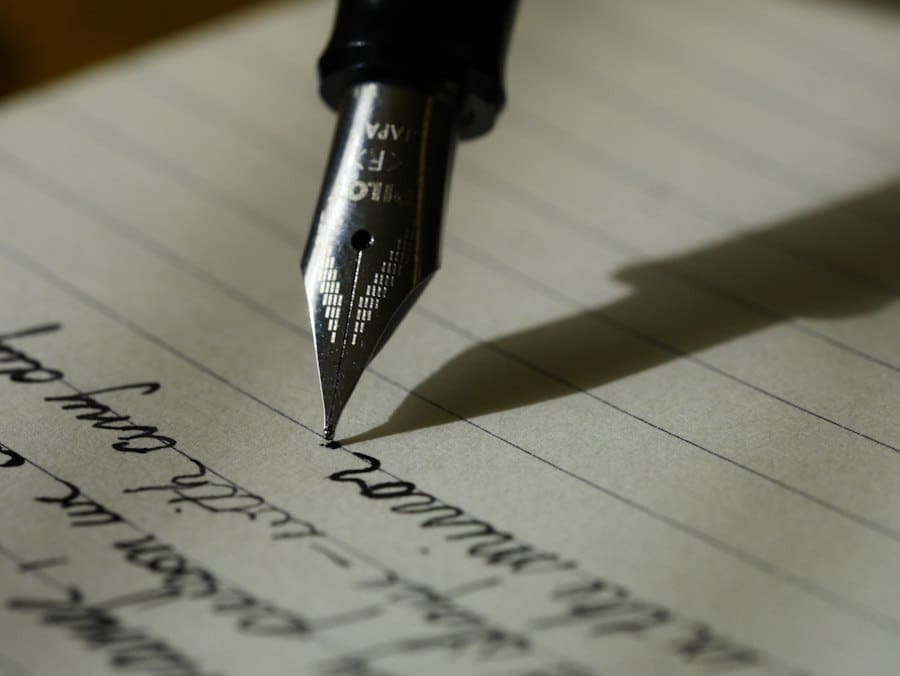
A cliffhanger is a pause at the worst possible moment for your character and the best possible moment for your reader's curiosity. The question is open, the stakes are clear, and the answer is coming. It doesn't have to be a literal cliff. A letter half-read, a door swinging open, a yes or no that hasn't been said yet: any of these can carry a chapter ending.
Psychologists have a name for part of the pull. The Zeigarnik effect suggests we tend to remember unfinished tasks better than finished ones, so an unanswered question nags at us. A cliffhanger leans on that itch, but the itch only matters if the reader cares about the answer. That care comes from everything you wrote before the final line.
The Promise You Make at the End of a Chapter
Every chapter ending makes the reader a quiet promise: what you are worried about matters, and you will find out. A fair cliffhanger keeps that promise. An unfair one breaks it, and readers notice even if they couldn't tell you why.
Ask one question of every cliffhanger you write: when the reader learns what happens next, will they feel the worry was worth it? If the answer is yes, you have a hook. If the answer is "well, not really", you have a trick.
Cliffhangers That Cheat Your Readers
These are the most common ways a cliffhanger breaks faith. Most of them feel clever in the draft and annoying on the page.
- The fake-out. The hero is shot, then next chapter it was a dream, a vision or a prank. Once is enough to teach readers that your danger isn't real.
- The withheld fact. The point-of-view character reads the letter and gasps, but we aren't told what it says, even though we are inside their head. Hiding what the narrator plainly knows feels like the author holding the book shut.
- The convenient rescue. A brand-new ally appears from nowhere to solve an impossible problem. That's a deus ex machina, and it turns your best tension into a shrug.
- The reset button. Something terrible happens, then it costs nothing. If nobody is hurt, nothing is lost and nothing changes, your next cliffhanger carries less weight.
- The endless loop. Every chapter ends on a shock, and every shock is defused on the next page. Readers grow numb, then suspicious.
How to Write a Cliffhanger That Plays Fair
The fix isn't to avoid cliffhangers. It's to build them from your story's real problems. Here are four kinds that work.
End on a choice
Stop just before your character decides something that will cost them either way. Save the sister or catch the train. Tell the truth or keep the job. The reader has all the facts and still can't guess the answer, because the answer depends on who the character really is. That's tension you never have to fake.
End on a reveal, then let it land
Give the reader the new information, then cut. The body in the boot is someone we know. The kind neighbour's handwriting matches the anonymous note. You aren't hiding the fact; you are holding back what it means and what happens next. For more on getting the reveal itself right, see my guide to writing a plot reveal that lands.
End on a new threat
Your character climbs out of one problem and straight into a bigger one. The storm passes and the bridge is gone. The guard is dealt with and there are footsteps on the stairs. The new threat should grow out of what's already on the page, so it feels inevitable rather than random.
End on a ticking clock
Set a deadline and stop with time running out. The ferry leaves at six; it's ten to. A ticking clock can make a quiet chapter ending tense without a single explosion.
Pay Off Your Cliffhanger in the Next Chapter
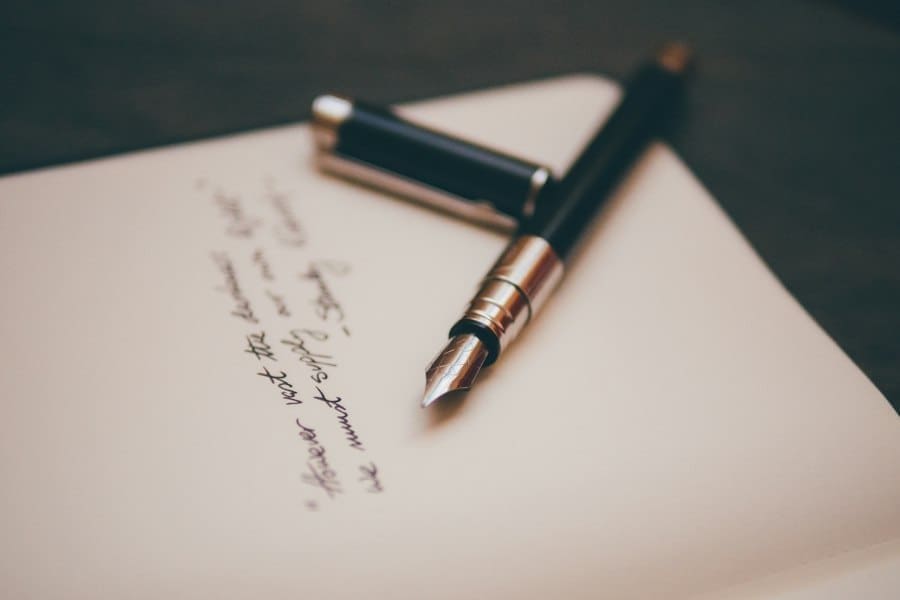
A cliffhanger is only half the job. The other half is the opening of the next chapter. Readers forgive a lot if the payoff is honest. Pick up close to where you left off, or if you cut away to another thread, don't stay away so long that the tension drains out.
The payoff should change something. The character got out, but it cost them a friend, a secret or their sense of who they are. That cost is what makes the next cliffhanger believable. Once readers have seen that your danger leaves marks, they lean in every time.
How Many Cliffhangers Is Too Many?
Not every chapter needs one. Thrillers often end most chapters on a hook; a quiet literary novel might use two or three in the whole book. Mix them with softer endings: a moment of rest, a question of feeling, a small decision. Variety keeps the big hooks sharp.
Your story bible can help here. Note each chapter ending, the question it leaves open and where you answer it. Then you can see at a glance if a hook was never paid off, or if three chapters in a row end on the same kind of shock.
Final Thoughts on Writing a Cliffhanger
A cliffhanger is a promise. Raise a real question, built from your characters' choices and the problems already on the page, then answer it honestly in the next chapter. Do that, and readers will stay up far too late with your book, trusting you every time you leave them hanging.
Ready to track your hooks and payoffs? Story Bible Studio keeps your characters, places, plot notes and draft in one place. Want to practise with other writers? Try a round of collaborative fiction on Chain Story Online, and find more ideas for readers and writers on Enda Storrie.
Build it in Story Bible Studio: keep your plot points, chapter endings and payoffs side by side, so no cliffhanger is left hanging for good. Create your free Story Bible Studio account, then grab the free Story Bible Starter Kit to fill it in section by section.
Still comparing tools? See the best novel organisation apps and Scrivener alternatives.
Related reading: How to Raise the Stakes in Your Story · Try-Fail Cycles: How to Keep Your Plot Moving
That's it. Enda Storrie
P.S. Planning a story? Grab the free Story Bible Starter Kit: 8 fillable pages for your characters, places and timeline.