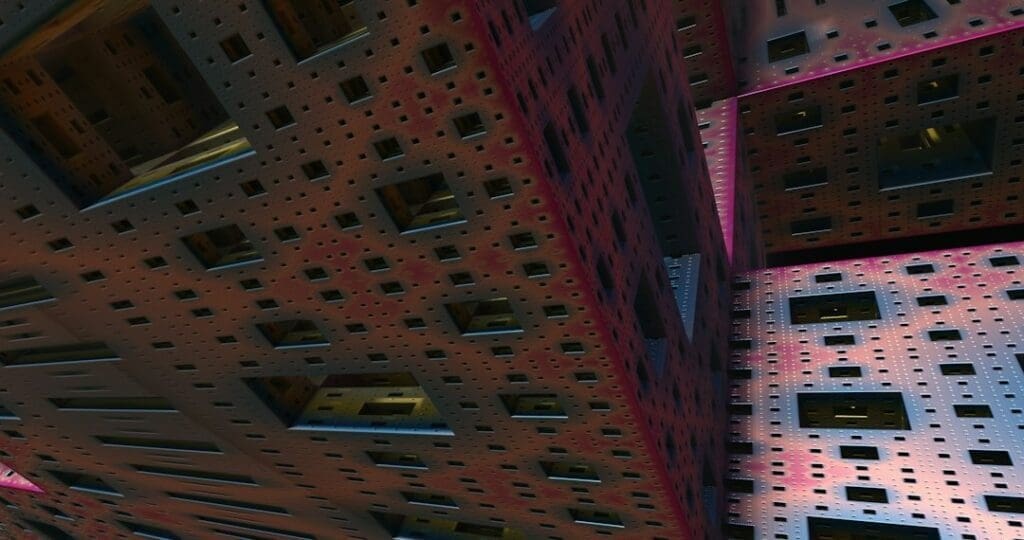
How to build a fictional city readers can picture: districts, history, power, landmarks and the details that make a city live.
Laying the Foundations: Imagining the Unseen
As a writer, one of my greatest joys and, frankly, one of my biggest challenges, is crafting a fictional city that springs to life in the reader's mind. It's not enough to simply name a place; I strive to create a vibrant, breathing entity with its own history, personality, and soul. For me, the process begins long before I put a single word on the page, with a deep dive into the unseen layers that make a city truly compelling. I believe that a fictional city, much like a real one, is a tapestry woven from countless threads, and understanding each of these threads is crucial for its realistic depiction.
The Spark of an Idea
Often, the genesis of a city for me is a single, evocative image or concept. Perhaps it's a city built into the side of a colossal mountain, or one perpetually shrouded in an artificial mist, or even a metropolis where the sky is a permanent, swirling canvas of neon advertising. This initial spark isn't just about aesthetics; it's about the inherent problem or opportunity that such a concept presents. A mountain city implies limited space and vertical living, influencing everything from transportation to social stratification. A misty city suggests themes of concealment, mystery, or perhaps a toxic atmosphere. This single idea acts as a gravitational pull, around which other elements begin to coalesce.
Beyond the Blueprint: What Makes it Tick?
Once I have that initial concept, I move beyond the purely visual. I start to ask myself fundamental questions: How does this city sustain itself? What are its primary industries? How do its inhabitants commute? What are their daily struggles and triumphs? These are not merely logistical details; they are the bedrock upon which the city's character is built. A city built on mining will have a different ethos, a different architecture, and different social structures than a city built on advanced technology or agricultural production. I envision the flow of goods, the hustle and bustle of its markets, the quiet hum of its power grid. These unseen mechanisms are what give the city its pulse.
In addition to exploring the intricacies of building a fictional city that readers can vividly picture, you may find it beneficial to consider how the choice of narrator can significantly shape your story. The article on the power of perspective delves into how different narrative voices can influence the reader's perception and emotional connection to the setting and characters. For further insights, check out this related article on the topic: The Power of Perspective: How the Narrator Shapes Your Story.
Detailing the Urban Fabric: From Grandeur to Grime
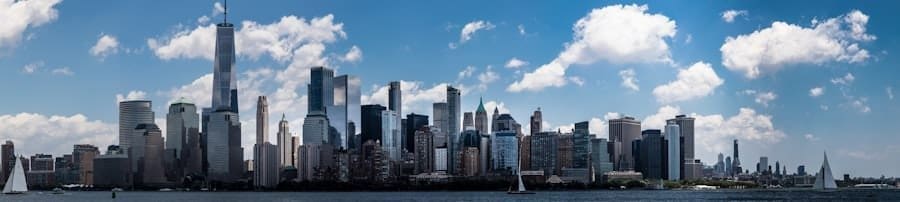
With the foundational concepts firmly in mind, I turn my attention to the intricate details that make a city feel real, from its imposing landmarks to its grimy back alleys. It’s about creating a sense of place that is both unique and believable, avoiding generic descriptions and instead focusing on sensory experiences.
Architectural Identity
Architecture is, for me, one of the most powerful tools in shaping a city's identity. I don't just think "tall buildings"; I consider the style of those buildings, the materials they're made from, and their age. Are they sleek, modern towers of glass and steel, hinting at technological advancement and perhaps a lack of historical roots? Or are they crumbling, centuries-old structures of stone and timber, whispering tales of past glories and current decay?
I consider the interplay between different architectural styles – perhaps ancient temples dwarfed by futuristic skyscrapers, or ornate Victorian buildings juxtaposed with brutalist concrete. This visual clash or harmony tells a story about the city's evolution and its values. I also think about the practicalities: how do these buildings function? Are there sky bridges, underground tunnels, or intricate canal systems?
Sounds, Smells, and Textures
A truly immersive city isn't just seen; it's experienced through all the senses. I try to imagine the symphony of sounds that defines the city: the cacophony of a bustling market, the distant hum of traffic, the mournful cry of a particular species of bird unique to the region, the rhythmic clang of a factory, or the gentle lapping of water against docks.
Equally important are the smells. Does the city carry the scent of ozone and burning fuel, or fresh bread and exotic spices, or perhaps the metallic tang of rain on ancient stone? And textures – the rough brick of an old warehouse, the smooth glass of a corporate tower, the slick cobblestones of a perpetually wet street, the soft moss clinging to a forgotten statue.
These sensory details, even when subtly woven into the narrative, build a richer, more vivid picture for the reader.
The People and Their Lives
A city is nothing without its inhabitants. I populate my cities with diverse characters, from the street sweepers to the powerful magnates, and consider how their daily lives are shaped by their urban environment. What are their customs, their slang, their anxieties, and their aspirations? How do they navigate the city's unique challenges and leverage its opportunities? I think about the social strata – the gleaming towers of the elite contrasted with the crowded tenements of the working class. The way people dress, the food they eat, the entertainment they seek – all these details contribute to the city's character and make it feel inhabited rather than just a backdrop.
History, Lore, and the Unseen Hand
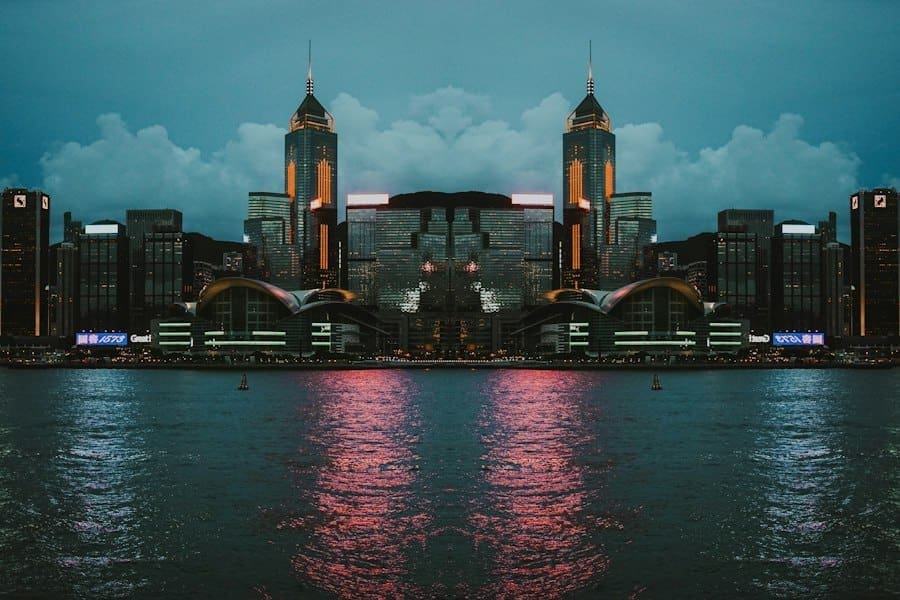
Every real city has a history, a series of events and decisions that have shaped its present. A fictional city, to feel truly authentic, needs its own past, its own legends, and its own underlying currents that influence its present state.
A Layered Past
I approach a city's history like an archaeologist, digging through layers of time. I don't necessarily need to write a full historical treatise, but I need to understand the key turning points: its founding, major wars or calamities, periods of prosperity and decline, significant cultural shifts, and the rise and fall of influential figures. This history is not just about dates; it's about the echoes it leaves in the present. Perhaps an ancient conflict led to deep-seated prejudices between districts, or a technological revolution from centuries ago still impacts current infrastructure. The ruins of an older civilization beneath the modern city, or a monument dedicated to a forgotten hero, can speak volumes about its past without requiring lengthy exposition.
Myths, Legends, and Superstitions
Beyond factual history, I love to infuse my cities with their own unique folklore. These aren't necessarily literal truths within the narrative, but they are stories that the inhabitants tell themselves, tales that explain the unexplainable or offer moral lessons. Perhaps there's a legend about a forgotten god who protects a certain district, or a superstition about a particular street being haunted, or a children's rhyme that subtly hints at a historical event. These elements add a layer of mystique and cultural depth, making the city feel richer and more lived-in. They also provide excellent opportunities for world-building details that can later become plot points or character motivations.
The City's "Personality"
I believe that every city, real or imagined, has a distinct personality. Is it a bustling, ambitious metropolis driven by commerce? A sleepy, ancient town steeped in tradition? A decaying industrial hub clinging to past glory? A vibrant artistic haven teeming with creativity? This personality isn't explicitly stated but emerges from the combination of its history, its architecture, its people, and its daily rhythms. I try to define this personality early on, as it influences every other decision I make about the city. It dictates the dominant mood, the types of conflicts that are likely to arise, and the general atmosphere that pervades the narrative.
Mapping the Labyrinth: Geography and Layout
Even if I don't draw an actual map (though I often do!), I need a clear understanding of the city's spatial relationships. Where are the key districts in relation to each other? How do characters navigate from one point to another? This geographical understanding is crucial for believable character movement and plot progression.
The Lay of the Land
First, I consider the natural geography upon which the city is built. Is it on a coast, nestled in a valley, perched on a plateau, or sprawling across a vast plain? How do natural features like rivers, mountains, or forests influence its growth and layout? A river might divide the city, creating distinct cultures on either bank. A mountain range might limit expansion in one direction, forcing vertical growth or strategic tunneling. I also think about the climate – a desert city will have different infrastructure and cultural adaptations than a perpetually rainy one. This natural environment profoundly shapes the urban form.
Districts and Neighborhoods
No city is monolithic. I carve out distinct districts, each with its own character, function, and socio-economic makeup. There might be a bustling commercial district, a quiet residential area, a dilapidated industrial zone, a vibrant artistic quarter, or a heavily fortified government sector. These districts shouldn't just be named; they should feel different. The architecture, the sounds, the types of people, and even the sense of safety can vary wildly from one neighborhood to the next. The relationships between these districts – whether they are harmonious, antagonistic, or isolated – can become fertile ground for plot and character development.
Transportation and Infrastructure
How do people get around in this city? Are there intricate subway systems, flying vehicles, ancient canals, or perhaps just footpaths and horse-drawn carts? The mode of transportation influences the city's pace and character. I also consider the unseen infrastructure: how is water delivered, waste disposed of, and power generated? Are there advanced energy grids, steam-powered mechanisms, or even mystical sources of power? These logistical details, while often subtle, add a layer of realism and can sometimes even be central to the plot. A city's dependency on a particular resource or transport system can be a source of vulnerability or strength.
Creating a vivid fictional city involves more than just architecture and geography; it requires a solid premise that anchors your narrative. For those looking to deepen their understanding of how to craft a compelling premise, a related article offers valuable insights. You can explore these tips in detail by visiting this resource, which complements the process of building a city that readers can truly envision. By integrating a strong premise with your city’s unique characteristics, you can enhance the overall storytelling experience.
Bringing it to Life: Sensory Immersion and Character Interaction
Ultimately, a fictional city is brought to life not just by its detailed creation, but by how characters experience and interact with it. It's about translating all the planning into vivid prose that draws the reader in.
The Character's Lens
I often think about how different characters would perceive the same city. A wealthy merchant might see opportunities, while a struggling street urchin sees only hardship and danger. A newcomer might be overwhelmed by its scale, while a lifelong resident navigates it with a practiced ease. By filtering the city through the eyes and experiences of my characters, I can reveal its complexities and nuances without resorting to lengthy exposition. Their memories, their biases, their emotional connections to certain places – all contribute to the reader's understanding.
Integrating into the Narrative
A fictional city should never just be a static backdrop. It needs to be an active participant in the story. Does the city itself present challenges or opportunities for the characters? Does its unique environment force them to make difficult choices? Does a hidden alley hold a crucial clue, or a grand plaza become the site of a pivotal confrontation? The city should influence the plot, and the plot should, in turn, reveal more about the city. Perhaps a character's desperate flight through the city's labyrinthine sewers exposes a secret beneath its foundations, or a quiet conversation in a forgotten park uncovers a lost piece of its history.
The Feeling of Home (or Not)
Finally, I strive to evoke a sense of connection – or disconnection – between my characters and their urban environment. Is this city a place of comfort and belonging, a refuge from the outside world? Or is it a hostile, alien landscape that they yearn to escape? This emotional resonance is what truly anchors the city in the reader's imagination.
Final Thoughts on Fictional City
When a reader can feel the chill of its winds, the press of its crowds, or the comfort of its familiar corners, I know I've succeeded in building a fictional city that truly lives. It’s a painstaking process, but the reward of seeing a reader describe my imagined urban landscape with vivid detail makes every moment of planning and writing worthwhile.
Want to keep it all in one place? Story Bible Studio gives you a free digital story bible for your characters, places and plot, and Chain Story Online is a free place to test ideas in short collaborative stories.
Related reading: Exploring Real Locations in Fiction: Writing Authentic Settings · Using Irish Folklore in Your Fiction
Written by Enda Storrie, writer and creator of Story Bible.