The Foundation of Fear: Establishing Core Principles
When I set out to construct a dystopian world, my first step, always, is to define its core principles. This isn’t just about what’s wrong with society; it’s about why it’s wrong, and what foundational beliefs underpin its oppressive structure. I ask myself: What single idea, taken to its extreme, could lead to such a place? Is it the pursuit of absolute safety, leading to total surveillance? The desire for perfect equality, enforced by brutal suppression of individuality? Or perhaps an eco-catastrophe that forces humanity into a desperate, controlled existence?
I find that focusing on one central, distorted ideology makes the world feel much more coherent and believable. It’s the lynchpin around which everything else hangs. For example, if my dystopia is built on the pursuit of technological immortality, then every aspect, from daily life to political power, will revolve around that singular, compelling, yet ultimately terrifying goal. This isn’t just a backdrop; it’s the very air my characters breathe. It dictates their aspirations, their fears, and the very fabric of their societal interactions. I need to understand this central tenet intimately before I can even begin to sketch out the details. It’s the “what if” question that sparks the entire creation.
The Origin Story of Oppression
Every oppressive regime, no matter how fantastical, has an origin. It didn’t just spring into existence fully formed. For me, crafting this origin story is crucial for believability. Was there a cataclysmic event – a war, a plague, an environmental collapse – that paved the way for the current order? Did a charismatic leader rise to power promising salvation, only to gradually twist that promise into tyranny? Or did a series of small, seemingly innocuous decisions, over generations, culminate in the nightmare I’m trying to portray?
I find that showing, rather than just telling, this origin makes a huge difference. Perhaps there are historical records, carefully curated and rewritten by the regime, that hint at the truth. Maybe the elderly whisper stories of “the old times.” This historical context adds layers of depth and makes the dystopia feel less like a sudden imposition and more like an insidious growth. It also provides a crucial element for resistance: the memory of a different way of life. If no one remembers freedom, how can they fight for it?
The Rules of the Road: Laws and Their Enforcement
Once I have my core principles, I delve into the practicalities: the laws that govern this society. These aren’t just arbitrary rules; they are direct extensions of the foundational ideology. If the goal is absolute order, then personal freedoms will be severely curtailed. If emotional expression is deemed dangerous, then a system of emotional suppression will be in place.
I think about the specific rules that impact daily life: what people can say, what they can read, whom they can associate with, even what they can think. More importantly, I consider the mechanisms of enforcement. Is it overt and brutal, with public executions and omnipresent patrols? Or is it insidious, relying on self-censorship, peer pressure, and psychological manipulation? The most effective dystopian enforcement, in my opinion, often blends both. A show of force to remind people of the consequences, combined with a pervasive atmosphere of fear and distrust that makes rebellion seem impossible. I also consider the “grey areas” – the rules that are unwritten but understood, the subtle cues that guide behavior without explicit commands. These nuances make the world feel lived-in and complex.
When crafting a believable dystopian world, understanding the underlying themes that drive your narrative is crucial. An insightful resource on this topic can be found in the article titled “Shot to the Heart: Power of Theme Revealed,” which delves into how themes can shape and enhance the storytelling experience. By exploring the emotional and philosophical underpinnings of your dystopian setting, you can create a more immersive and thought-provoking narrative. For more information, you can read the article here: Shot to the Heart: Power of Theme Revealed.
The Fabric of Everyday Life: Showing, Not Just Telling, the Oppression
A believable dystopia isn’t just about grand pronouncements and oppressive laws; it’s about how those things manifest in the minute details of daily existence. This is where I truly immerse myself in the world I’m building. What does a typical day look like for an ordinary citizen? How do they eat, work, socialize, and entertain themselves under the watchful eye of the regime?
I believe the most effective dystopian narratives embed the oppression into the mundane. It’s not always a dramatic chase scene or a heroic act of defiance; sometimes, it’s the subtle shift in language, the rationing of basic necessities, or the constant low hum of surveillance that truly conveys the stifling atmosphere. I strive to show the insidious nature of control, how it seeps into every aspect of life, making even simple choices fraught with consequence.
The Architecture of Control: Environment and Infrastructure
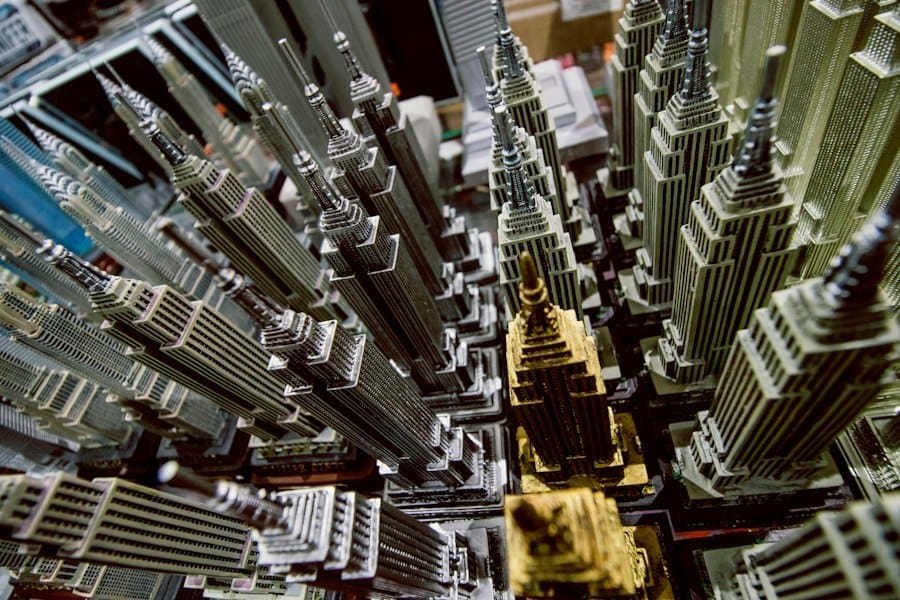
The physical environment of a dystopian world speaks volumes. I consider the architecture: is it brutalist and imposing, reflecting the power of the state? Or is it sterile and uniform, designed to suppress individuality? Do cities sprawl endlessly, or are people confined to tightly controlled zones? These architectural choices are not merely aesthetic; they are extensions of the regime’s ideology.
Beyond buildings, I think about infrastructure. How does transportation work? Is it efficient and centralized, allowing the state to track movement, or is it deliberately inefficient, discouraging travel and communication? What about communication itself? Is it heavily monitored, with no private channels, or are there hidden networks of resistance? Even seemingly minor details, like the type of food available or the style of clothing worn, can contribute to the overall sense of oppression and control. I want my readers to feel the weight of the regime not just in the actions of the characters, but in the very air they breathe and the spaces they inhabit.
Language as a Weapon: Controlling Thought and Expression
One of the most potent tools of any totalitarian regime is the manipulation of language. This is an area I dedicate significant thought to. How has language been twisted, simplified, or outright banned to control thought and expression? Are there specific words or phrases that are forbidden, or new terms introduced to promote the regime’s ideology?
I look for ways to subtly demonstrate this linguistic control. Perhaps official communications use a rigid, emotionless tone. Maybe slang words have emerged among the populace as a form of coded resistance. Or perhaps the very concept of certain emotions or ideas has been erased from common parlance, making it difficult for people to even conceive of rebellion. Newspeak from Orwell’s 1984 is the gold standard here, and I always aim for something that, while perhaps not as overt, achieves a similar effect: subtly shaping perceptions and limiting the scope of thought. The goal is to show how language itself becomes a prison.
The Illusion of Choice: Entertainment and Consumption
Even in the most oppressive dystopias, there’s usually some form of entertainment or consumerism. But these aren’t about freedom; they’re about control. I consider what forms of entertainment are permitted, and more importantly, why. Is it bland, repetitive media designed to pacify the populace? Is it propaganda disguised as entertainment? Or perhaps it’s a carefully curated selection that reinforces the regime’s values and demonizes dissent.
Similarly, I examine consumption. What goods and services are available? Are they rationed, limited, or designed to create a sense of manufactured scarcity? Do people compete for meaningless luxuries while basic needs are barely met? The “bread and circuses” approach is a classic dystopian trope for a reason. By providing just enough distraction and just enough material comfort, the regime can prevent widespread unrest, making the characters’ struggle for true freedom even more poignant. I want to illustrate how even seemingly harmless aspects of life can be weaponized for control.
The People Who Populate the Nightmare: Characters and Their Roles
A dystopia, no matter how intricately built, is only as compelling as the characters who inhabit it. For me, creating believable characters in such a setting involves understanding their unique struggles, motivations, and the compromises they make to survive. They aren’t just archetypes; they are individuals shaped by their oppressive environment.
I focus on showing the spectrum of reactions to the dystopian reality. Not everyone is a heroic rebel, and not everyone is a villainous oppressor. The most interesting characters, I find, often exist in the grey areas, navigating moral dilemmas and making difficult choices just to see another day.
The Protagonist’s Burden: Navigating a Hostile World
My protagonist is the reader’s eyes and ears in this oppressive world. Therefore, their perspective is paramount. I consider what makes them unique and how their personality clashes or conforms with the societal norms. Are they naturally rebellious, or are they slowly awakened to the truth? What personal losses or injustices drive their actions?
It’s crucial for me that the protagonist isn’t simply an observer. They must be an active participant, making choices that have real consequences within the strictures of their society. Their internal struggles – the fear of exposure, the moral compromises, the yearning for something more – are just as important as any external conflict. I want the reader to experience the suffocation and desperation through their eyes, and to understand the immense courage it takes to even think of defiance.
The Many Faces of Compliance: The Silent Majority and the Enforcers
Not everyone in a dystopia actively resists. In fact, most people don’t. I find it vital to explore the various reasons for compliance, as this adds a layer of realism and complexity. Some comply out of genuine belief in the system, others out of fear for their lives or their loved ones, and still others out of apathy or a sense of hopelessness. These “silent majorities” are often the most tragic figures, their lives a testament to the regime’s power.
Then there are the enforcers – the guards, the propagandists, the bureaucrats. I avoid making them cartoonishly evil. Instead, I try to understand their motivations. Are they true believers? Are they simply following orders to survive? Do they gain power or privilege from their position? Exploring their humanity, or lack thereof, can make them far more chilling than a purely two-dimensional villain. A believable dystopian regime requires not just the oppressed, but also the myriad of individuals who contribute to its continued existence.
Whispers of Resistance: The Seeds of Hope
No matter how ironclad a dystopia appears, there are always sparks of resistance. These don’t have to be grand, organized rebellions from the outset. Often, they start small: a whispered word, a hidden book, a defiant act of kindness. I focus on these nascent forms of resistance, showing how hope can persist even in the darkest of times.
I consider the forms resistance takes. Is it overt sabotage? Covert communication? The preservation of banned knowledge or culture? And crucially, what are the stakes for those involved? The immense danger faced by even small acts of defiance elevates the heroism and makes the struggle feel genuinely desperate. The resistance, for me, isn’t just about fighting the regime; it’s about holding onto humanity, to the very idea that things could be different.
The Mechanisms of Control: Power, Surveillance, and Propaganda
To make a dystopia truly terrifying, I need to demonstrate how the regime maintains its iron grip. This goes beyond simple laws; it delves into the sophisticated, often insidious, methods of control that keep the populace subjugated. These are the engines that drive the oppression, and I dedicate significant effort to detailing their operation.
I think about the omnipresent nature of these mechanisms. They’re not just occasional intrusions; they are the constant background noise of life, shaping every decision and interaction. It’s the feeling of being watched, of having your thoughts scrutinized, and of being constantly bombarded with messages that reinforce the regime’s narrative.
The All-Seeing Eye: Surveillance and Information Control
Surveillance is a cornerstone of almost every believable dystopia. I consider the technologies employed: cameras, listening devices, biometric scanners, or even human informants. But it’s not just about the technology itself; it’s about the effect it has on people. How does the constant threat of being watched change behavior? Does it foster paranoia, self-censorship, or even a sense of comfortable submission?
Equally important is the control of information. What news is disseminated? How is history rewritten? Are certain books, films, or ideas banned? The regime’s ability to shape the narrative and control access to truth is a powerful weapon. I show how this control creates a manufactured reality, where dissent is often dismissed as madness or treason because the facts that would support it have been erased or distorted. The truth, in such a world, becomes a dangerous commodity.
The Art of Manipulation: Propaganda and Indoctrination
Propaganda isn’t just about lying; it’s about shaping beliefs and values from a young age. I think about how the regime indoctrinates its citizens, starting in childhood. What are the key messages? How are they delivered – through education, media, public ceremonies, or even art? The goal is to create citizens who not only obey but who believe in the righteousness of the system.
I also consider the various forms propaganda takes. Is it overtly jingoistic, promoting nationalistic fervor? Or is it more subtle, appealing to people’s desire for safety, stability, or belonging? The most effective propaganda often mixes grains of truth with strategic distortions, making it harder to discern the deception. I want to illustrate how this constant barrage of curated information slowly erodes critical thinking and fosters unwavering loyalty, even in the face of glaring injustices.
The Iron Fist: State Violence and Intimidation
While subtle controls are powerful, overt violence and the threat of it remain crucial for maintaining power. I consider the nature of state violence. Is it public and performative, designed to instill terror and serve as a warning? Or is it quiet and efficient, with dissidents disappearing without a trace?
The justice system, or lack thereof, is another key element. Are trials fair, or are they show trials designed to reinforce the regime’s authority? What are the punishments for dissent, and how are they carried out? The pervasive fear of reprisal is a potent deterrent, and I aim to show how this fear permeates every level of society, making even small acts of rebellion incredibly risky. It’s the constant awareness that the state possesses the ultimate power over life and death that truly defines the oppressive atmosphere.
Creating a believable dystopian world requires careful attention to detail and a deep understanding of the societal dynamics at play. For writers looking to enhance their world-building skills, an insightful resource can be found in the article on how to make your story resonate with readers. This guide emphasizes the importance of character development and plot consistency, which are crucial elements in crafting a compelling narrative. To explore more about building a strong foundation for your story, check out this article on making your story believable.
The Unseen Cracks: Vulnerabilities and the Seeds of Change
Even the most seemingly impenetrable dystopian systems have vulnerabilities. For me, these cracks are essential for believability and for providing a glimmer of hope, however faint, for the characters and the reader. A perfectly oppressive world, with no possibility of change, can feel stagnant and ultimately less compelling.
I think about the internal contradictions of the regime, the human element that can never be fully suppressed, and the external forces that might challenge its authority. These vulnerabilities often become the very things that the protagonist and the resistance exploit in their struggle for freedom.
The Regime’s Own Weaknesses: Internal Contradictions and Inefficiencies
No system, however powerful, is entirely perfect or monolithic. I look for the inherent contradictions within the regime’s ideology. Does the pursuit of absolute equality paradoxically lead to a rigid hierarchy? Does the desire for perfect control inevitably lead to corruption or inefficiency? These internal flaws can be exploited by the resistance, or simply lead to the regime’s eventual decay.
I also consider the human element within the power structure. Are there power struggles among the ruling elite? Are some officials secretly disillusioned or motivated by personal gain rather than ideological purity? Showing these cracks in the facade of invincibility makes the regime feel more realistic and less like an unassailable force of nature. It also provides opportunities for unexpected alliances or betrayals.
The Resilience of the Human Spirit: Unquenchable Hope
Despite all the mechanisms of control, the human spirit’s capacity for hope, love, and rebellion often proves surprisingly resilient. I explore how these fundamental human traits persist even in the face of overwhelming oppression. It might be through art, forbidden stories, secret rituals, or simply acts of quiet defiance.
These expressions of humanity are not always about grand gestures; often, they are small, personal acts that affirm individuality and connection. A shared glance, a hidden message, the memory of a loved one – these can be powerful sparks in the darkness. It’s the refusal to let the regime define their inner lives that ultimately keeps the flame of resistance alive. I believe that even in the bleakest dystopia, there must be a flicker of what makes us human.
The External Glimmer: The World Beyond the Walls
Finally, I consider what lies beyond the boundaries of the dystopian society. Is there an outside world? Is it equally oppressive, or is it a beacon of freedom? The existence of an external reality, even if only rumored, can provide a powerful motivator for change within the dystopia.
Perhaps the regime actively suppresses all information about the outside, painting it as a dangerous wasteland. Or maybe there are occasional infiltrators or artifacts that hint at a different way of life. This “outside” doesn’t necessarily have to be a utopia; it could simply be a different form of existence that challenges the regime’s narrative of absolute necessity. The unknown, and the potential it holds, can be a potent catalyst for questioning the established order and inspiring the fight for a better future. It reminds both the characters and the reader that the dystopian reality, however pervasive, is not the only possible world.