Understanding the “Why” Behind Expert Interviews
When I first started writing, I quickly realized that my imagination, while a powerful tool, had its limits. Crafting a world, developing characters, and plotting a compelling narrative often meant venturing into territories I knew little about. Whether it was the intricate details of a forensic investigation, the specific jargon of a medical professional, or the lived experience of someone in a particular field, there were gaps in my knowledge. This is where expert interviews became my secret weapon, a crucial bridge between my internal world and the tangible reality I wanted to portray.
For me, the “why” of interviewing experts boils down to authenticity and depth. I want my readers to be fully immersed in the story, to believe in the world I’ve built, and to connect with characters who feel genuinely rooted in their professions or circumstances. Factual inaccuracies or superficial portrayals can yank a reader right out of that immersion, shattering the delicate illusion I’ve worked so hard to create. An expert’s insights can provide the nuanced details, the specific terminology, the unique challenges, and even the emotional landscape of their world that I simply can’t invent. They help me move beyond generic descriptions to paint a vibrant, believable picture.
Moreover, these interviews often spark new ideas. A throwaway comment, an unexpected anecdote, or a detail I hadn’t considered can suddenly open up an entirely new plotline or character arc. It’s like gaining access to a richer, more complex version of reality that then feeds back into my fictional universe. For instance, when I was writing about a character who was a deep-sea diver, I initially focused on the technical aspects. But after speaking with a professional diver, I learned about the profound sense of isolation, the pressure to maintain mental fortitude in dangerous situations, and the unique camaraderie among team members. These human elements became far more compelling than just the equipment and procedures, adding layers of emotional depth to my character.
Ultimately, the process of interviewing experts isn’t just about gathering facts; it’s about enriching my understanding of the human experience within specific contexts. It allows me to infuse my writing with a level of realism and detail that resonates deeply with readers, making my fictional worlds feel more real and my characters more relatable.
Defining Your Knowledge Gaps
Before I even think about contacting someone, I spend a considerable amount of time meticulously outlining what I don’t know. This isn’t just a vague feeling of “I need more information about doctors.” Instead, I break down my narrative, scene by scene, character by character, and identify precise areas where my knowledge is insufficient or outright wrong.
For example, if I’m writing a scene where a character performs emergency first aid, I wouldn’t just think, “I need to know about first aid.” Instead, I’d ask myself: What specific injury is it? What are the immediate, life-saving steps? What kind of equipment would be available in this specific setting? What would the character’s internal monologue be like, given their level of training (or lack thereof)? What are the common mistakes people make? What are the legal implications of providing aid? These specific questions then become the foundation for my interview preparation.
I also consider the emotional and psychological aspects. If a character is dealing with a specific trauma or profession, I might seek out someone who has firsthand experience, not just to understand the technicalities, but to grasp the emotional toll, the coping mechanisms, and the long-term effects. This deep dive into my own ignorance is crucial because it allows me to approach experts with respect for their time and knowledge, demonstrating that I’ve done my homework and am not just looking for them to do my research for me.
Identifying the Right Expertise
Once I’ve defined my knowledge gaps, the next step is to figure out who has the answers. This isn’t always straightforward. Sometimes, the obvious choice is the right one – a police officer for police procedures, a doctor for medical details. But often, the most valuable insights come from less obvious sources.
For instance, if I’m writing about a historical event, I might not just seek out a historian, but perhaps someone who grew up in the region during that time, or someone whose family was directly impacted. Their personal narratives can add a layer of human truth that a purely academic perspective might miss. If I need to understand the nuances of a specific subculture, I might look for someone who is deeply embedded in that community, rather than a sociologist who has merely studied it from afar.
I often start with broader searches, using keywords related to my needs. LinkedIn is a surprisingly useful tool for identifying professionals. Academic journals, professional organizations, local community groups, and even Reddit forums can point me towards individuals with the specific expertise I require. I’m looking for people who not only have the knowledge but also potentially the inclination to share it. Sometimes, I’ll start with someone in a slightly related field who can then refer me to a more specialized expert. Networking, even in this context, can be incredibly powerful.
When crafting a compelling narrative, understanding the role of perspective is crucial, as it can significantly influence how your story is perceived by readers. For those interested in enhancing their storytelling techniques, an insightful article titled “The Power of Perspective: How the Narrator Shapes Your Story” provides valuable guidance on this topic. You can explore it further by visiting this link: The Power of Perspective. This resource complements the process of interviewing experts for your novel, as it emphasizes the importance of narrative voice and point of view in shaping character development and plot.
The Art of Professional Outreach and Scheduling
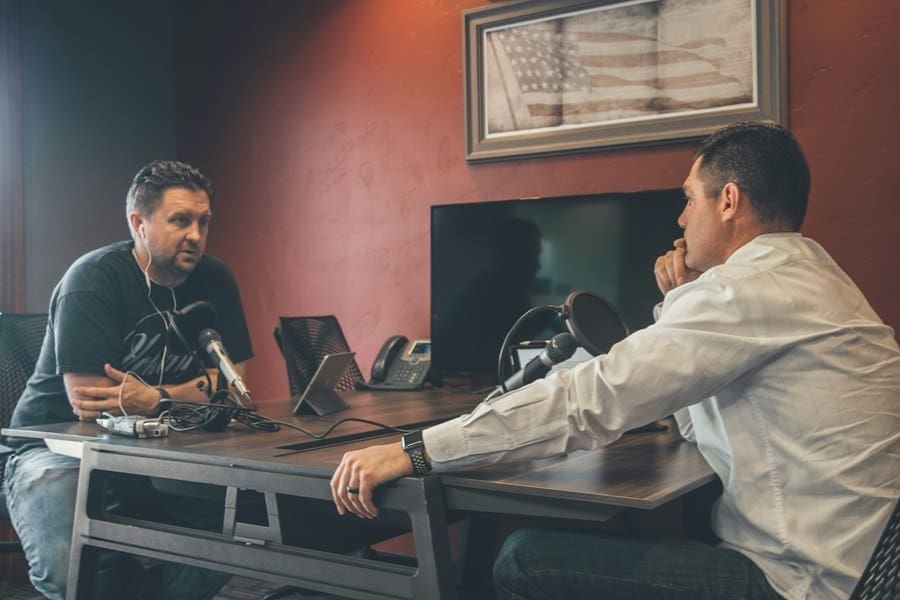
Once I have a clear idea of who I want to speak with, the real work of outreach begins. This stage is all about professionalism, respect, and clear communication. I treat every potential interview like a job application, understanding that I am asking for someone’s valuable time and expertise without direct compensation.
My primary goal at this stage is to make it as easy as possible for them to say “yes.” This means being concise, clear, and humble in my approach. I never assume they owe me their time. Instead, I frame my request as an opportunity for them to contribute to a creative project, potentially educate a wider audience, or even simply share their passion.
Crafting Your Initial Contact
The first impression is critical. Whether it’s an email or a message through a professional networking site, my initial contact is always carefully constructed.
I start by introducing myself and clearly stating that I’m a writer working on a novel. I then briefly explain the premise of my novel, just enough to give them context, but without giving away the entire plot. The key is to be intriguing, not overwhelming.
Next, I clearly state why I’m contacting them specifically. This demonstrates that I’ve done my homework and haven’t just sent a generic email. I might mention their specific research, their public work, or a referral if applicable. This validates their expertise and shows I value their unique perspective.
Then, I articulate what I need from them, again, being specific but not demanding. Instead of saying, “I need to know everything about law,” I’d say, “I’m hoping to understand the day-to-day procedures of a public defender in a specific type of criminal case, particularly regarding client interactions and courtroom etiquette.”
Crucially, I also manage expectations regarding their time commitment. I always suggest a brief initial conversation, perhaps 15-20 minutes, to see if they’re willing and able to help further. This low-commitment offer makes it much easier for them to agree. I also offer flexibility regarding scheduling and the medium of communication (phone, video call, email).
Finally, I express my gratitude for their time and consideration. I keep the tone respectful and professional throughout. My initial email is never more than a few paragraphs long. I avoid attaching documents unless specifically requested.
Here’s a template I often adapt:
Subject: Research for Novel – Request for Expert Insight on [Specific Topic]
Dear [Expert’s Name],
My name is [My Name], and I am a novelist currently working on a [genre] novel set in [brief setting/context]. The story involves a character who is a [their profession/area of expertise], and I am deeply committed to ensuring the accuracy and authenticity of their portrayal and the world they inhabit.
I am reaching out to you specifically because of your extensive experience/work in [mention specific research, publications, or reason for choosing them]. Your insights into [specific area of knowledge you need] would be invaluable as I develop this aspect of my narrative.
I am hoping to connect for a brief conversation, perhaps 15-20 minutes, to ask a few targeted questions about [mention one or two key areas]. I am very flexible regarding scheduling and would be happy to accommodate whatever time works best for you, whether it’s a phone call, video chat, or even responding to a few questions via email.
Thank you for considering my request. I understand your time is precious, and I truly appreciate your potential willingness to assist a fellow creative.
Sincerely,
[My Name]
[My Website/Professional Link, if applicable]
Following Up Respectfully
If I don’t hear back within a week, I’ll send a single, polite follow-up email. This email is brief and simply reiterates my previous request, checking in to see if they received my initial message. I avoid guilt-tripping or demanding an answer. Something as simple as:
Subject: Following Up: Research for Novel – Request for Expert Insight on [Specific Topic]
Dear [Expert’s Name],
Just wanted to gently follow up on my email from [Date of previous email] regarding my request for insights into [Specific Topic] for my novel.
No worries at all if now isn’t a good time, but I wanted to make sure my previous message reached you.
Thank you again for your time and consideration.
Sincerely,
[My Name]
If I still don’t hear back after this, I take it as a polite “no” and move on. There are always other experts, and forcing the issue is counterproductive.
Preparing for a Productive Interview

The interview itself is not the time for me to start formulating questions. That work happens long before I pick up the phone or open a video chat. A well-prepared interview is efficient, respectful of the expert’s time, and yields the most valuable information.
Researching Your Expert and Their Field
Before any interview, I do my homework. I research the expert themselves: their background, their publications, any public talks they’ve given, or organizations they’re affiliated with. This serves several purposes. Firstly, it allows me to tailor my questions more effectively, showing them that I’m aware of their specific contributions. Secondly, it helps me avoid asking questions that they’ve already extensively covered in public forums. Thirdly, it can reveal potential areas of shared interest or even mutual connections, which can help build rapport.
I also conduct foundational research into their field. I read articles, watch documentaries, and try to grasp the basic terminology and concepts. This prevents me from asking incredibly rudimentary questions that an expert might find frustrating or a waste of their time. It also allows me to understand their answers better and ask more insightful follow-up questions. I want to arrive at the interview not as a blank slate, but as someone who has already engaged with the topic, even if superficially. This level of preparation demonstrates respect for their expertise and time.
Developing Your Question List
My question list is the backbone of the interview. I aim for a mix of open-ended questions that encourage detailed responses and more specific questions to clarify precise details.
I categorize my questions by theme or topic to ensure a logical flow. I often start with broader questions to ease into the conversation and then progressively narrow down to the specific details I need.
Here are some types of questions I often include:
- Process Questions: “Could you walk me through the typical steps involved in [specific procedure]?”
- Challenges/Rewards Questions: “What are the most common challenges you face in your work? What are the most rewarding aspects?”
- Sensory Details Questions: “What does [a specific environment] typically smell/sound/look/feel like? What’s the most unusual thing you’ve ever seen/heard?” (These are invaluable for bringing a scene to life.)
- Emotional Impact Questions: “How do people typically react to [a specific situation]? What’s the emotional toll of [a specific aspect of the job]?”
- Jargon/Terminology Questions: “Are there any specific terms or acronyms I should be aware of when discussing [topic]? What’s the difference between X and Y?”
- “What If” Scenarios: “If [character] were to do [specific action], what would be the most realistic consequence?” (This is where I often pitch specific plot points.)
- Misconception Questions: “What are the biggest misconceptions people have about your profession or field?” (This helps me avoid common tropes.)
- Personal Anecdote Questions: “Do you have any memorable stories or experiences related to [specific topic] that you’re comfortable sharing?” (These often provide the richest material.)
I prioritize my questions, listing the most crucial ones first, in case time runs short. I also always include a question at the end like, “Is there anything else I haven’t asked that you think is important for me to know about [topic]?” This often uncovers hidden gems.
I make sure my questions are open-ended (“How do you…”) rather than yes/no questions (“Do you…”). This encourages more detailed and insightful responses. I also phrase my questions neutrally, avoiding leading the expert to a specific answer.
Practical Interview Logistics
Before the interview, I confirm the date, time, and preferred method of communication (phone call, video call). I also prepare my recording equipment (if I plan to record, which I almost always do, with explicit permission). I ensure I have a quiet space with good internet connection or phone signal.
I also have a notebook and pen ready for jotting down immediate thoughts, follow-up questions that arise during the conversation, or just to have as a backup in case technology fails. Even when recording, the act of writing helps me focus and retain information.
I make sure my introductory remarks at the start of the interview are clear. I re-introduce myself, briefly re-state the purpose of the interview, thank them for their time, confirm how long they have, and most importantly, ask for their explicit permission to record the conversation (if I’m recording). I also make it clear that I’m happy to respect any boundaries they have regarding the sharing of information, and that their name will not be used in the book without their express consent, and even then, often with a disclaimer that the book is fiction. This establishes trust and respect from the outset.
Conducting the Interview Effectively
The interview itself is a dynamic process. While preparation is key, being present, adaptable, and a good listener are equally important. I aim for a conversation, not an interrogation.
Active Listening and Follow-Up
During the interview, my primary role is to listen – truly listen. I try not to interrupt, letting the expert fully elaborate on their points. I’m not just waiting for them to finish so I can ask my next question; I’m absorbing their words, their tone, and even their pauses.
Active listening means processing what they’re saying and formulating relevant follow-up questions on the fly. Often, the most valuable information comes not from my pre-planned questions, but from the tangents and elaborations an expert provides, which then spark new lines of inquiry. If they use jargon I don’t understand, I politely ask for clarification. If they mention something intriguing, I ask them to elaborate.
For example, if an expert mentions, “Well, that’s what we call a ‘code blue’ situation,” I’d follow up with, “Could you explain what a ‘code blue’ entails, specifically, from your perspective, and what typically happens in the first few minutes?” This shows I’m engaged and genuinely interested in understanding their world.
I also pay attention to the “unspoken” aspects: their passion, their frustrations, their humor. These emotional layers often provide the most compelling material for character development and narrative conflict.
Maintaining Professionalism and Respect
Throughout the interview, I maintain a professional and respectful demeanor. I arrive on time (or call/log in a few minutes early). I dress appropriately, even for a video call, to show respect. I thank them at the beginning and end of the conversation.
I am mindful of their time. If they’ve allocated 30 minutes, I stick to that timeframe, even if it means not getting to all my questions. I’d rather have a concise, productive 30-minute interview than overstay my welcome and leave a negative impression. If I sense they’re getting tired or restless, I offer to wrap up or schedule a follow-up if necessary.
It’s also important to be adaptable. Sometimes an expert will steer the conversation in an unexpected but equally valuable direction. I allow for this flexibility, recognizing that their insights might be more pertinent than my rigid question list. I also ensure I’m not talking more than the expert; they are the source of information, not me.
I also avoid making strong assertions or trying to “prove” my own knowledge. This isn’t a debate; it’s a learning opportunity. If I have a differing perspective, I phrase it as a question: “Some people might think X, what’s your take on that?”
Handling Sensitive Information
Experts sometimes share information that is sensitive, confidential, or even emotionally charged. I am extremely careful and ethical in how I handle such material.
Before the interview, I clarify how I intend to use the information and reiterate that their identity will be protected unless explicitly agreed otherwise. If they share something that is clearly private or proprietary, I make a mental note to fictionalize it heavily or, if it’s too specific, not use it at all. My goal is to draw inspiration and gain understanding, not to expose confidential details or violate trust.
If an expert starts to share something that feels too personal or potentially compromising, I might gently steer the conversation back to more general aspects or respectfully acknowledge their point without pressing for more details. My integrity as a writer and researcher is paramount. I’d rather lose a specific detail than betray someone’s trust.
When crafting a compelling narrative, understanding the premise of your story is crucial, and it can greatly enhance the quality of your interviews with experts. By having a clear premise, you can tailor your questions to draw out the most relevant insights from your interviewees. For more guidance on this topic, you might find it helpful to explore an article on understanding premise, which offers valuable tips for developing a strong foundation for your novel. This knowledge will not only improve your interviews but also enrich your overall storytelling process.
Post-Interview Etiquette and Integration
The interview doesn’t end when the call does. There’s a crucial follow-up phase that solidifies the relationship and ensures the valuable information is properly processed and integrated into my work.
Sending a Thank-You Note
Within 24-48 hours of the interview, I send a personalized thank-you note. This is not a generic email; it’s specific. I reiterate my gratitude for their time and mention one or two specific insights or anecdotes that I found particularly valuable. This shows that I was paying attention and truly appreciated their contribution.
I also confirm any agreements we made, such as how they’d like to be acknowledged (or not) in the book, or if there were specific boundaries around certain information.
A simple example:
Subject: Thank You – Regarding Our Conversation on [Specific Topic]
Dear [Expert’s Name],
Thank you so much for taking the time to speak with me yesterday about [Specific Topic]. I truly appreciate your generosity and the incredible insights you shared.
I particularly found your explanation of [mention a specific insight] and the anecdote about [mention a specific story] incredibly helpful and thought-provoking. These details will be invaluable as I develop [character/scene/plot point] in my novel.
As we discussed, I will be sure to [reiterate any agreements, e.g., protect your anonymity, or acknowledge you in the acknowledgments section as ‘Dr. X, for his invaluable insights into Y’].”
Thank you again for your invaluable contribution to my project. I will be sure to let you know when the book is published.
Sincerely,
[My Name]
Transcribing and Organizing Notes
If I recorded the interview, I make it a priority to transcribe it as soon as possible. Listening to the recording again often reveals nuances or details I missed during the live conversation. Transcription tools can help, but I always review them carefully for accuracy.
Even with a recording, I also review my handwritten notes. I highlight key points, circle specific terms, and draw connections between different pieces of information.
Once transcribed, I organize the information thematically. I might create a dedicated document for that character or plotline, pulling out relevant quotes, facts, and anecdotes. I often create character profiles that incorporate the expert’s insights into their backstory, motivations, and daily life. This systematic approach ensures that the valuable information doesn’t get lost in a sea of notes.
Integrating Insights into Your Narrative
This is where the rubber meets the road. The goal isn’t just to dump facts into my novel; it’s to weave the expert’s insights seamlessly into the fabric of my story.
I look for ways to show, not just tell. Instead of saying, “The doctor was very busy,” I use the details an expert gave me about the constant beeping of machines, the hurried footsteps, the terse exchanges between nurses, and the smell of antiseptic to convey the busyness.
I use specific terminology accurately, but sparingly, ensuring it adds to the authenticity without alienating the reader. If a complex term is necessary, I find ways to explain it naturally through dialogue or character observation.
I also integrate the emotional and psychological truths shared by the expert. How does their profession affect their personal life? What are their greatest fears or triumphs? These details add immense depth to characters and make them more relatable.
Sometimes, a single anecdote or a turn of phrase from an expert can inspire an entire scene or even alter a character’s arc. I remain open to these possibilities, allowing the expert’s reality to subtly shape my fiction. The insights I gain are not just for fact-checking; they are creative fuel, enriching my narrative in ways I couldn’t have imagined on my own.