
The Rhythms of Narrative: Harnessing the Seasons in Fiction
The world around us is in constant flux, marked by the cyclical dance of the seasons. From the rebirth of spring to the slumber of winter, each period possesses its own unique character, emotional resonance, and symbolic weight. For the discerning fiction writer, these natural transitions offer a rich and often untapped wellspring of thematic potential, capable of deepening plot, enriching character, and adding profound layers of meaning to a narrative. Rather than merely serving as a backdrop, the seasons can become active participants in the storytelling process, mirroring internal states, foreshadowing events, and driving the very pulse of the fictional world. This article explores how authors can intentionally and effectively integrate the seasons into their work, transforming them from simple atmospheric details into powerful narrative devices that resonate with readers on a visceral and intellectual level.
Incorporating the seasons as a theme in fiction can add depth and resonance to your storytelling, as explored in the article on the power of theme in narrative. For a deeper understanding of how thematic elements can enhance your writing, you may find it beneficial to read this related article on the significance of theme in storytelling: The Power of Theme Revealed. This resource provides valuable insights that can complement your exploration of seasonal motifs in your work.
Weaving Seasonal Symbolism into Character and Plot
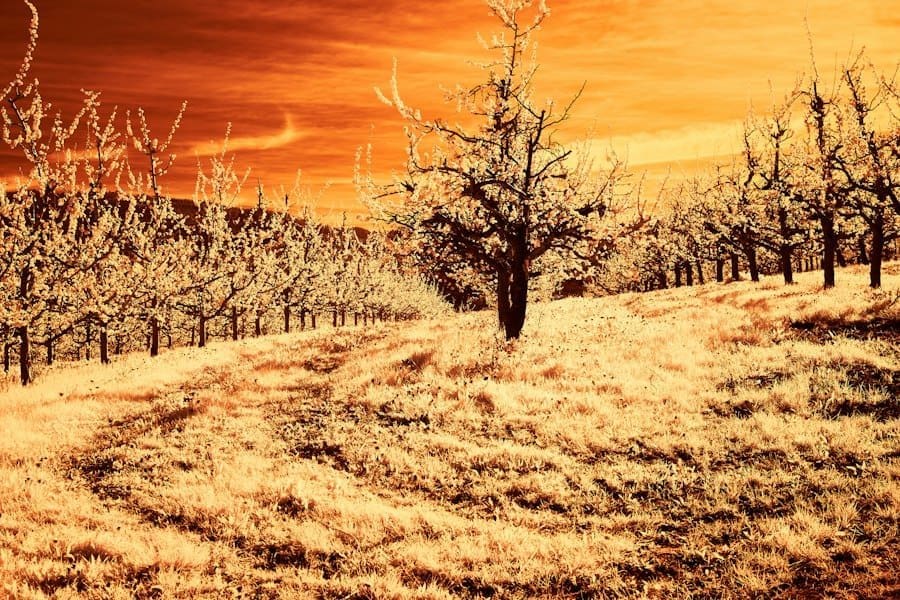
The symbolic associations of each season are deeply ingrained in human consciousness, offering a powerful shorthand for conveying complex ideas without overt exposition. By aligning character arcs and plot developments with these established meanings, a writer can imbue their story with a natural sense of progression and thematic depth. The choice of season for a pivotal event or a character’s introduction can subtly inform the reader about underlying themes and emotional states.
Spring: Beginnings, Rebirth, and Hope
Spring is universally recognized as a time of new beginnings, growth, and optimism. The thawing of winter’s grip, the burgeoning of plant life, and the return of migratory birds all speak to a sense of renewal and possibility. In fiction, introducing a character during spring can immediately suggest a fresh start, a journey of self-discovery, or a burgeoning romance. A plot that begins in spring might involve the overcoming of past struggles, the blossoming of a new idea, or the hopeful pursuit of a long-held dream. A character undergoing a significant personal transformation, shedding old habits and embracing new perspectives, finds a natural parallel in the vibrant energy of spring. For instance, a protagonist leaving a toxic relationship or embarking on a challenging new career path can have their emotional landscape mirrored by the budding flowers and longer days. The challenges they face might be akin to the unexpected late frosts, testing their resolve but ultimately reinforcing their new growth.
Summer: Fullness, Passion, and Conflict
Summer, with its long days, abundant light, and fertile energy, often symbolizes the peak of life, intense emotions, and the culmination of events. It is a season of heightened passion, whether in love, ambition, or conflict. Stories set in summer can explore themes of coming-of-age, intense relationships, or the confrontation of long-simmering issues. The heat of summer can mirror the intensity of emotions, leading to dramatic confrontations or passionate declarations. However, summer also carries a darker potential. The oppressive heat can lead to stagnation, lethargy, or even fiery destruction, both literal and metaphorical. A character at the height of their power or success might find themselves confronted with their own hubris or the consequences of their actions. A summer setting can therefore amplify themes of unchecked desire, the bittersweet fleetingness of joy, or the simmering tensions that inevitably boil over. A secret revealed during a sweltering summer night or a community divided by a contentious issue under the oppressive sun gains an added layer of psychological weight.
Autumn: Transition, Reflection, and Decline
Autumn is a season of profound transition, marked by the breathtaking beauty of changing leaves and the somber recognition of impending winter. It symbolizes harvest, reflection, letting go, and a gentle decline. Narratives set in autumn often explore themes of maturity, the consequences of past actions, the bittersweet nature of memory, and preparing for inevitable change. Characters might be facing significant losses, coming to terms with their past, or making difficult decisions about their future. The stripping away of leaves from trees can parallel a character shedding old illusions or facing harsh realities. A story about an aging character reflecting on their life, a community grappling with the loss of tradition, or a relationship reaching a natural conclusion finds a powerful resonance in the autumnal landscape. The abundance of the harvest can also represent the culmination of a life’s work, but also the inevitable emptying as resources are gathered and stored.
Winter: Stillness, Isolation, and Endings
Winter, with its dormant landscape, cold temperatures, and shorter days, is synonymous with stillness, reflection, isolation, and ultimately, endings. It can represent death, despair, hardship, or a period of necessary hibernation and introspection. However, winter also holds the promise of eventual rebirth, making it a season of quiet resilience and hope for the future. A narrative set in winter might focus on themes of survival, grief, solitude, or the search for inner strength amidst external adversity. A character confronting their deepest fears, enduring a period of profound loneliness, or undergoing a transformative period of introspection can be powerfully framed by the stark beauty of a winter landscape. The long nights can symbolize periods of emotional darkness, while the crisp, clean air can suggest a stripping away of distractions, allowing for clarity and profound understanding. The idea of enduring the cold, bundling up, and finding warmth speaks to themes of human connection and resilience in the face of harsh realities.
The Seasons as Structural Frameworks

Beyond mere symbolism, the cyclical nature of the seasons can provide a robust structural framework for a narrative, dictating pacing, marking significant shifts, and building a sense of natural progression. A story that unfolds over the course of a year, or even multiple years, with each season marking a distinct phase, can gain an organic rhythm that feels inherently satisfying to the reader.
Seasonal Arc of a Narrative
Consider a novel where each major plot point or character development aligns with a new season. This approach can create a palpable sense of movement and change, mirroring the natural world. For example, a story might begin in the spring, introducing the central conflict or the characters’ initial aspirations. As summer arrives, the conflict escalates, relationships deepen, and stakes are raised. Autumn then ushers in a period of consequences, reflection, and difficult choices as characters grapple with the fallout of summer’s intensity. Finally, winter brings about a resolution, often quiet and contemplative, perhaps hinting at a new beginning or a profound acceptance. This seasonal arc can be particularly effective for coming-of-age stories, sagas spanning generations, or narratives exploring the long-term impact of a particular event on a community.
Pacing and Temporal Markers
The changing seasons can also serve as effective temporal markers, helping the reader track the passage of time without relying on explicit dates. The mention of “the first spring thaw” or “the crisp air of autumn” immediately conveys a sense of time passing. Furthermore, the inherent pace of each season can influence the pacing of the narrative itself. Spring and summer often lend themselves to faster-paced, more active scenes, filled with external events and interactions. Autumn might slow the pace, encouraging introspection and thoughtful dialogue. Winter, with its emphasis on stillness and indoor activity, can be perfect for quieter, more character-driven moments, allowing for deep emotional exploration. A writer can manipulate these natural rhythms to control the flow of their story, building tension during active seasons and allowing for reflection during more subdued ones. The gradual lengthening of days in spring or the shortening in autumn can also be used to subtly convey the subjective experience of time for characters.
Atmospheric Richness and Sensory Immersion
The seasons offer an unparalleled opportunity for writers to create rich, immersive atmospheric details that engage the reader’s senses and deepen their connection to the fictional world. Beyond simply stating the season, a writer can describe its specific sights, sounds, smells, tastes, and textures, bringing the setting to vivid life.
Evoking Sensory Details
Each season carries a distinct sensory palette. Spring might bring the scent of damp earth and blossoming flowers, the sound of birdsong, the sight of vibrant green, and the feel of gentle warmth returning. Summer evokes the smell of cut grass and sunscreen, the drone of insects, the taste of ripe fruit, and the oppressive heat. Autumn offers the crisp scent of fallen leaves and woodsmoke, the rustling sound of wind through dry foliage, the sight of fiery reds and golds, and the chill in the air. Winter brings the smell of snow and evergreens, the muffled quiet of a snow-covered landscape, the sight of stark branches, and the biting cold. By meticulously incorporating these sensory details, a writer can transport the reader directly into the scene, making the setting feel tangible and real. These descriptions should not be mere embellishments but serve to enhance the emotional tone and thematic content of the narrative. A sudden burst of spring rain can symbolize tears of joy or cleansing, while the biting wind of winter can embody a character’s isolation.
Mood and Tone Amplification
The atmospheric qualities of each season inherently contribute to the mood and tone of a scene or an entire narrative. A romantic encounter set under a clear summer sky feels inherently different from one occurring during a desolate winter storm. The melancholic beauty of an autumn afternoon can amplify a character’s sense of loss or introspection. A story about hope and new beginnings feels more resonant when set amidst the vibrant energy of spring. Conversely, a tale of despair or isolation is heightened by the starkness of winter. Writers can strategically choose the season for specific scenes to reinforce the emotional core of those moments. The perpetual grayness of a rainy spring can mirror a character’s lingering depression despite external signs of renewal, creating a powerful counterpoint. The vibrant, almost overwhelming sensory input of a summer day might reflect a character’s feeling of being overwhelmed by circumstances.
Incorporating the seasons as a thematic element in fiction can greatly enhance the emotional depth and symbolism of your narrative. For a deeper understanding of how different narrative perspectives can influence your storytelling, you might find it helpful to explore the article on the power of perspective, which discusses how the narrator shapes your story. This connection between seasons and narrative voice can provide a richer context for your characters’ journeys. You can read more about it here.
Seasonal Metaphors and Figurative Language
Beyond literal descriptions and symbolic associations, the changing seasons provide a wealth of opportunities for employing powerful metaphors, similes, and other forms of figurative language. This elevates the prose, adds layers of meaning, and allows for more nuanced characterization and thematic exploration.
Characterizing with Seasonal Language
A character can be described as having “a spring in their step,” suggesting youthfulness and optimism. Another might possess a “wintry disposition,” implying coldness or aloofness. Their journey could be likened to “the long summer day,” full of energy but eventually leading to decline. A character’s wisdom might be “like an old oak in autumn,” rooted and resilient, but bearing the marks of time. By weaving these seasonal metaphors into descriptions of characters, their actions, and their internal states, a writer can subtly reveal personality traits and emotional depths. For instance, a character whose laughter is “like the first thaw after a long winter” immediately conveys a sense of release and joy. A protagonist grappling with a difficult truth might feel their “inner landscape turning to autumn,” indicating a period of stripping away illusions and preparing for change.
Enhancing Thematic Resonance
Figurative language rooted in the seasons can also powerfully reinforce a story’s overarching themes. A narrative about resilience might describe a character’s spirit as “withstanding the harshest winter,” emerging stronger. A story about the transient nature of beauty could use the “fleeting bloom of spring flowers” as a central metaphor. The cyclical nature of life and death, hope and despair, can be beautifully articulated through metaphors of planting, growth, harvest, and dormancy. For example, a theme of enduring love could be portrayed as a “tree that weathers every season,” its roots deepening with each passing year. A story about the inevitable cycle of decay and renewal in society might use the metaphor of “forest fires clearing the old growth for new life,” aligning destruction with a necessary precursor to new beginnings. This level of linguistic integration ensures that the seasonal theme isn’t just an external element but permeates the very fabric of the prose.
Practical Application and Avoiding Pitfalls
Successfully integrating seasons into fiction requires intentionality and a nuanced approach. While the benefits are numerous, writers must also be mindful of potential pitfalls to ensure the seasonal element enhances, rather than detracts from, the narrative.
Subtlety vs. Overtness
One common pitfall is to be overly explicit or heavy-handed with seasonal symbolism. While the symbolic meanings are powerful, they are most effective when woven subtly into the narrative, allowing the reader to discover and interpret them rather than being told directly. Instead of stating, “It was spring, symbolizing new beginnings,” a writer might describe “the first hesitant green shoots pushing through the still-cold earth, mirroring Jane’s timid steps towards a new life.” The goal is to evoke, not to explain. The seasonal details should feel organic to the setting and the characters’ experiences, rather than feeling forced or performative. Readers appreciate being given the space to connect the dots themselves, leading to a more profound and satisfying reading experience.
Consistency and Accuracy
Maintaining consistency in seasonal descriptions is crucial for creating a believable world. If a story takes place over a specific period, the seasonal progression must logically follow. Furthermore, accuracy in depicting regional seasonal variations adds to authenticity. Winter in a tropical climate is vastly different from winter in a temperate zone, and writers should research and portray these differences truthfully. A character experiencing a “white Christmas” in a story set in Australia would immediately break reader immersion. Similarly, the local flora and fauna should reflect the depicted season and region. A sudden mention of sunflowers blooming in December in a temperate climate would be jarring. Attending to these details reinforces the credibility of the fictional world and shows the writer’s commitment to their craft.
Integrating with Other Elements
Ultimately, the seasons should not exist in isolation but be seamlessly integrated with all other elements of the narrative: character development, plot progression, theme, and setting. They should serve to enhance these elements, providing an additional layer of depth and resonance. A season can influence a character’s mood, dictate the availability of resources for a plot point, or visually underscore a thematic idea. When the seasons are fully integrated, they become an invisible but powerful force within the narrative, enriching the reader’s experience without drawing undue attention to themselves. They become part of the story’s DNA, shaping its essence and echoing its core message. By thinking of seasons not as mere calendar markers but as active narrative forces, writers can unlock a powerful tool to elevate their fiction to new heights, making their stories resonate with the timeless rhythms of the natural world.
P.S. Enjoyed this? Become an insider and I'll send you one of my favourite posts every couple of weeks.


