Weaving Weather into Your World’s Fabric
As a writer, I’ve always been fascinated by how deeply environment shapes character and plot. When I sit down to build a new fictional world, the atmosphere – both literal and metaphorical – is one of the first things I consider. It’s not just about a pretty backdrop; the weather and climate of my world are active participants, shaping everything from the clothes my characters wear to the political landscape of their societies. I see them as powerful, silent narrators, constantly influencing the story I’m trying to tell. Let me share how I approach this, how I move beyond simple descriptions to integrate these elemental forces into the very soul of my narrative.
The Subtle Art of Environmental Storytelling
For me, merely mentioning rain or sunshine isn’t enough. I strive for my weather and climate to be an integral part of the storytelling itself. It’s about more than just setting a mood; it’s about using these elements to create conflict, reveal character, and drive the plot forward. When I think about a character struggling through a blizzard, I’m not just thinking about the cold; I’m thinking about their resilience, their determination, and the sheer desperation that arises from such an unforgiving environment.
I find that the most impactful weather isn’t always the most dramatic. Sometimes, a persistent, oppressive humidity can be more unsettling than a sudden storm. It’s a slow burn, a constant weight that grinds down a character’s spirit over time. This kind of nuanced environmental storytelling allows me to add layers of depth to my world without resorting to heavy-handed exposition. It’s about showing, not telling, how the world itself impacts the lives within it.
Incorporating weather and climate into your fictional world can greatly enhance the setting and mood of your story. To further develop your narrative, you might find it helpful to explore the article on crafting a strong premise, which provides essential tips for building a solid foundation for your story. You can read more about this topic in the article Understanding Premise: Top 3 Tips for Crafting One. By understanding the premise of your story, you can better integrate the elements of weather and climate to support your narrative.
Establishing Foundational Climates
Before I even begin to think about specific weather events, I establish the fundamental climate zones of my world. This is where the scientific (or pseudo-scientific) fun begins for me. I consider the size of my world, its axial tilt, the presence of large bodies of water, and the topography – mountains, valleys, deserts. These are the building blocks upon which all subsequent weather will form.
Planetary Axis and Rotational Speed
When I’m designing a world, I pay attention to its axial tilt. A greater tilt means more pronounced seasons and potentially more extreme temperature swings between summer and winter. If my world has a very slight tilt, I might have more uniform, temperate climates across large swathes of the planet. I also consider the rotational speed. A faster rotation can lead to stronger Coriolis effects, influencing global wind patterns and ocean currents, which in turn dictate where rain falls and where deserts form. I imagine how these fundamental forces create the broad strokes of my world’s climate, painting vast regions with characteristics that will influence everything about life there.
For instance, if I want a world with long, harsh winters and short, explosive summers, I might give it a significant axial tilt, perhaps even more pronounced than Earth’s. This allows me to craft narratives around survival in extreme conditions, or the joyous, but fleeting, celebration of warmer months. Conversely, a rapidly rotating world with strong prevailing winds might lend itself to stories of aerial navigation, or societies built around harnessing wind power.
Ocean Currents and Topography
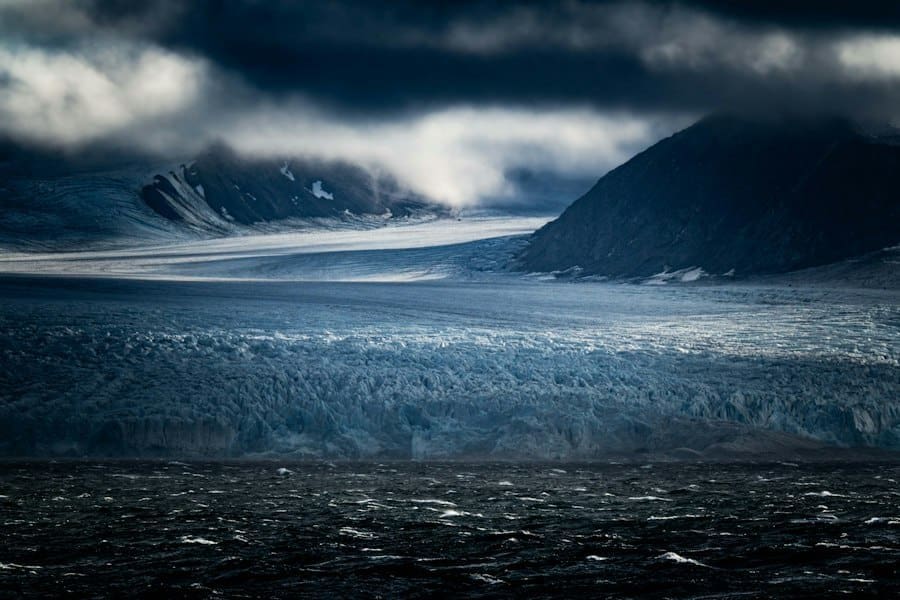
I view oceans as the great circulators of my fictional worlds. Warm currents bring moisture and temperate climates to otherwise frigid regions, while cold currents can create arid coastal deserts. I map out where these currents flow, imagining their influence on the landmasses they brush against. Then, I overlay my world’s topography. Mountain ranges become rain shadows, creating fertile lands on one side and barren wastes on the other. Valleys funnel winds, creating localized microclimates.
I picture how towering peaks block moisture-laden air, forcing it to drop its precipitation on the windward side, nurturing lush forests or even temperate rainforests. On the leeward side, however, the air descends, dry and warm, creating deserts or steppes. This allows me to create stark contrasts within relatively short distances, providing immediate environmental challenges or opportunities for my characters. I think about how these contrasts might shape distinct cultures, each adapting to their unique environmental blessings and burdens. A culture living in a fertile valley might be peaceful and agrarian, while those struggling in a rain shadow desert might be nomadic and fiercely independent.
Infusing Weather into Plot and Conflict
Once I have my foundational climate established, I start thinking about how specific weather events can become active elements in my plot. Weather isn’t just an inconvenience; it’s a tool I use to create obstacles, opportunities, and character development.
Weather as a Direct Obstacle
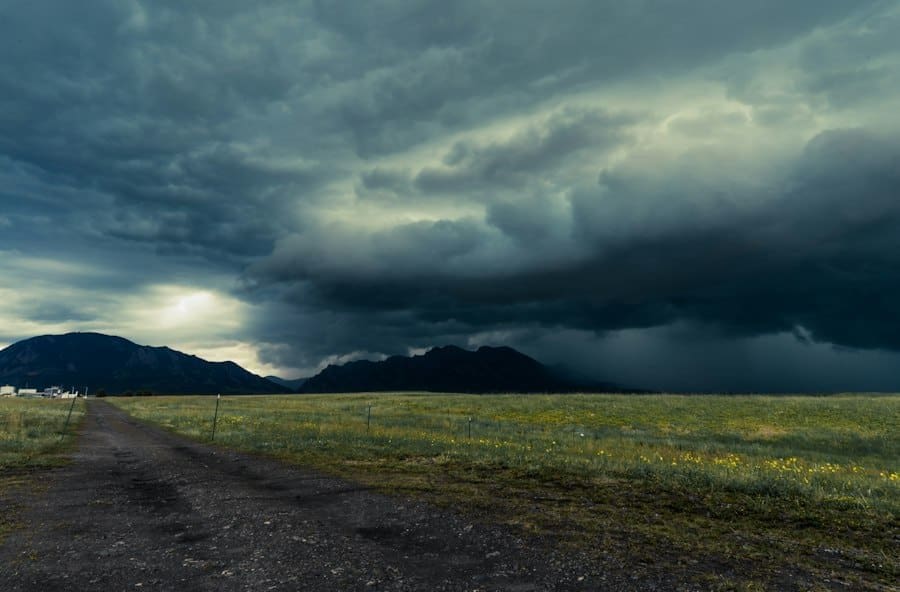
I often use extreme weather as a direct antagonist. A sudden blizzard can trap my characters, forcing them to rely on their wits and each other for survival. A torrential downpour can turn a crucial escape route into an impassable river, forcing a change in plans. These situations aren’t just about making things harder; they reveal the true nature of my characters. Do they panic? Do they rise to the challenge? Do they sacrifice for others?
I find that using weather this way can heighten tension dramatically. Imagine a desperate chase scene that suddenly encounters a flash flood, forcing both pursuer and pursued to face a common, impartial threat. Or a delicate negotiation that is disrupted by a sudden, devastating sandstorm, scattering documents and forcing a hasty retreat. These scenarios push my characters to their limits, revealing their true motivations and strengths under duress. It’s not just about surviving the weather; it’s about surviving themselves within the weather.
Weather Driving Character Decisions
Beyond direct obstacles, I consider how prevailing weather patterns influence the daily decisions and long-term planning of my characters and societies. A prolonged drought might force a community to abandon their ancestral lands, sparking conflict with neighboring tribes. A predictable monsoon season might dictate military campaigns, trade routes, or even religious ceremonies.
I think about the subtle ways weather shapes culture. A people who live in a perpetually foggy region might develop a keen sense of hearing or become deeply superstitious. Those who endure brutal winters might develop a stoic resilience and strong communal bonds. I weave these influences into their traditions, their architecture, and their belief systems. The weather becomes an unspoken law, dictating choices and shaping destinies without ever being explicitly stated as such. It’s the invisible hand guiding the hand of fate.
Shaping Worldbuilding and Culture
The climate and typical weather patterns of my fictional world are fundamental to its worldbuilding. They dictate everything from architecture to societal norms, to the very fabric of belief systems. I see them as invisible forces that sculpt the daily lives and long-term developments of my civilizations.
Architectural Adaptation
I spend a lot of time thinking about how my fictional societies build their homes and cities in response to the climate. In a region prone to heavy snowfall, I envision steeply pitched roofs to prevent accumulation, or perhaps buildings connected by enclosed walkways. In a desert environment, I imagine thick-walled structures with small windows to keep out the heat, or subterranean dwellings for cooler living.
Consider a coastal city in a hurricane zone; I might design buildings with reinforced foundations and aerodynamic shapes, or perhaps even structures designed to flood and drain safely. For a volcanic region with frequent ash falls, I might incorporate self-cleaning roof systems or designs that minimize dust ingress. These architectural details aren’t just aesthetic; they tell a story about the challenges and ingenuity of the people who live there. They show, rather than tell, the dominant environmental concerns.
Cultural Customs and Festivals
Beyond architecture, the climate profoundly influences the cultural customs and festivals of my world. Harvest festivals are naturally tied to agricultural cycles dictated by rainfall and temperature. Winter solstices become celebrations of light and warmth in colder climes. Rainy seasons might be periods of introspection or specific religious observances related to renewal and growth.
I think about how traditional clothing would evolve. Heavy furs in arctic regions, lightweight, breathable fabrics in tropical zones. Even cuisine can be shaped by climate – dishes that require preservation in cold climates versus fresh, seasonal ingredients in warmer ones. These details make my world feel lived-in and authentic. They add texture and depth that a purely descriptive approach wouldn’t achieve. Imagine a society where the annual migration for water is the central event of their year, dictating marriages, trade, and even their calendar. Or a culture whose entire spiritual philosophy revolves around the ever-present, life-giving monsoon rains. These are the kinds of connections I strive for.
When crafting a fictional world, understanding how to effectively use weather and climate can significantly enhance your storytelling. For instance, the atmosphere created by a stormy night can set the tone for a pivotal scene, while a sunny day might evoke feelings of hope and renewal. To further enrich your narrative, consider how your characters interact with their environment, as this can deepen their development and connection with readers. For insights on character roles that can captivate your audience, you might find this article on character roles particularly useful.
Using Weather for Thematic Resonance
For me, weather isn’t just a plot device or a worldbuilding element; it’s a powerful tool for thematic resonance. It can subtly underscore the deeper meanings and messages I want to convey in my story, adding layers of symbolic meaning to the narrative.
Mirroring Character Emotions
I frequently use weather to mirror the internal states of my characters. A character grappling with despair might find themselves caught in a relentless, soul-drenching rain. A moment of intense joy or triumph might be accompanied by a sudden burst of sunshine after a period of gloom. This isn’t about being heavy-handed; it’s about creating a subtle, almost subconscious connection between the external environment and the internal emotional landscape.
It’s a way to use the natural world as a reflection of the human condition. When my protagonist faces a moment of profound uncertainty, I might describe the sky as overcast and oppressive, hinting at the weight on their shoulders. When they finally achieve a breakthrough or find a moment of peace, I might allow the clouds to part, a gentle light breaking through. This metaphorical use of weather can amplify the emotional impact of a scene without needing explicit emotional exposition.
Symbolism and Foreshadowing
Beyond mirroring, I employ weather for symbolic purposes and as a subtle form of foreshadowing. A gathering storm on the horizon might symbolize impending conflict or danger. A sudden, unexplained calm could precede a shocking revelation. Persistent fog might represent confusion, illusion, or the unknown.
I try to imbue specific weather phenomena with recurring symbolic meaning within my particular story. Perhaps in one tale, lightning always precedes an act of divine intervention, or in another, a particular type of gusting wind is always a harbinger of betrayal. By establishing these patterns, I can create a richer, more layered narrative where the environment itself speaks to the deeper themes of the story. A drought might not just be a plot point; it could symbolize a spiritual barrenness, a lack of hope in the land. A gentle snowfall might represent cleansing or a quiet new beginning after a period of turmoil. This allows me to weave my themes into the very fabric of the world, making them feel organic and inevitable rather than didactic.