The Art of the Ouch: My Quest for Verisimilitude in Fictional Wounds
As a writer, I’ve always been fascinated by the human body and its remarkable resilience, but also its inherent fragility. This fascination often bleeds into my fictional work, particularly when it comes to depicting injuries. I’ve spent countless hours researching, consulting with medical professionals, and even watching surgical videos (not for the faint of heart, I assure you) to ensure that the wounds my characters sustain feel authentic. It’s not about gratuitous gore; it’s about grounding the narrative in a believable reality. When a character suffers, I want the reader to genuinely understand the implications of that suffering, the immediate pain, the long-term consequences, and the realistic journey to recovery, or sometimes, the stark reality of not recovering at all. My aim is to elevate the stakes, deepen character arcs, and ultimately, enhance the reader’s immersion. A poorly described injury can yank a reader right out of the story, shattering the illusion I’ve worked so hard to build. Conversely, a well-researched and accurately depicted injury, even a minor one, can add layers of authenticity and grit to the narrative. It’s a delicate balance, and one I constantly strive to perfect.
The Problem with “Movie Wounds”
I often chuckle, or sometimes wince, at what I call “movie wounds.” You know the ones: a character gets shot, stumbles, clutches their side, and then is back to full fighting form in the next scene, perhaps with a strategically placed bandage. Or the hero who takes a full-force punch to the head and is merely dazed, shaking it off moments later. These tropes, while sometimes necessary for fast-paced action, significantly undermine the gravity of violence and physical trauma. I understand the need for narrative momentum, but I also believe there’s a responsibility to portray the human body with respect to its limitations.
The Magical Recovery Syndrome
One of the most egregious offenders in fiction is the magical recovery syndrome. A character sustains what would be a debilitating injury in reality – a shattered limb, a deep stab wound, significant blood loss – only to be completely fine a few days later, perhaps with a cool scar. This not only trivializes the real-world impact of such injuries but also robs the story of a powerful opportunity for character development. Imagine the internal struggle, the physical therapy, the psychological scars that would genuinely accompany such a recovery. By ignoring these aspects, writers often miss out on exploring themes of vulnerability, perseverance, and the true cost of survival. I believe that showing the arduous path to recovery, or even the permanent disability an injury might cause, can be far more compelling than simply brushing it under the narrative rug. It allows for a deeper exploration of character resilience and the limitations of the human body.
Misrepresenting Pain and Immediate Impact
Another common pitfall is the misrepresentation of immediate pain and impact. A gunshot wound, for instance, isn’t just a clean hole. It involves cavitation, tissue damage far beyond the bullet’s path, and often causes immediate shock and incapacitation, not just a grimace and a continued sprint. A broken bone isn’t just a temporary inconvenience; it’s excruciating, often accompanied by swelling, bruising, and the inability to use the affected limb. I’ve found that even subtle details, like the sudden clamminess of skin due to shock, or the involuntary gasp of air from a severe impact, can add a profound layer of realism that a simple “he was in pain” cannot convey. It’s about understanding the physiological responses and translating them into tangible, descriptive prose.
In the realm of storytelling, ensuring medical accuracy in fiction is crucial for maintaining credibility and engaging readers effectively. For those interested in exploring the broader aspects of narrative construction, the article on plot versus story provides valuable insights into how different elements of storytelling can influence character development and conflict resolution. You can read more about this topic in the article here: Unravel the Secrets of Plot vs. Story. This understanding can enhance the portrayal of medical scenarios, making them not only accurate but also integral to the overall narrative.
My Research Methodology: Beyond Wikipedia
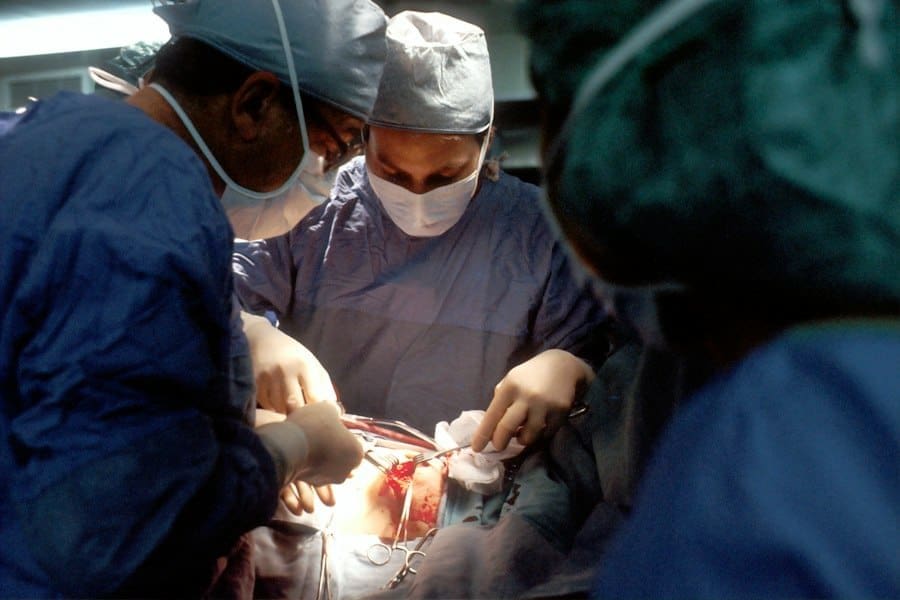
When I embark on describing an injury, my research goes far deeper than a quick Google search. While Wikipedia can offer a starting point, I rely on a multi-pronged approach that combines academic resources, professional consultation, and even a bit of morbid curiosity (in a purely academic sense, of course). My goal is to understand not just what an injury looks like on the surface, but how it affects the body internally, the immediate and long-term consequences, and the realistic progression of healing or deterioration.
Consulting Medical Professionals
One of my most invaluable resources is direct consultation with medical professionals. I’ve had the privilege of speaking with emergency room doctors, paramedics, nurses, and even surgeons. These conversations are goldmines of information. They can describe the tactile sensation of a particular injury, the smell of certain bodily fluids, the typical emotional responses of patients, and the practical challenges of treatment. For example, a paramedic once explained to me the sound a femur makes when it shatters, or the characteristic way someone with a pneumothorax struggles for breath. These are details I simply couldn’t glean from a textbook. I always approach these conversations with respect for their time and expertise, clearly stating my fictional aims and focusing on specific, well-defined questions. I find that most medical professionals are surprisingly enthusiastic about sharing their knowledge, especially when they understand it contributes to greater accuracy in popular media.
Diving into Medical Texts and Journals
While direct consultation is fantastic, it’s not always feasible for every single query. This is where medical textbooks and academic journals come into play. I’ve accumulated a small library of anatomy and physiology books, first aid manuals, and even forensic pathology texts. These provide the foundational knowledge – the “hows” and “whys” of injury. For instance, understanding the different types of fractures, the vascular supply to various organs, or the neurological pathways of pain allows me to describe injuries with anatomical precision. I also find myself frequently browsing medical case studies online. While I avoid graphic images unless absolutely necessary, reading detailed accounts of real-world injuries and their treatment protocols offers invaluable insight into the progression and management of trauma. It helps me to move beyond generalities and into the specific details that lend authenticity to my writing.
Learning from the Experience of Others
Beyond formal medical sources, I also find value in accounts from individuals who have experienced significant trauma or worked in environments where injuries are common. This could be a veteran describing a combat wound, a construction worker recounting an industrial accident, or even an athlete detailing a severe sports injury. These personal narratives offer a human perspective that medical texts often lack. They describe the subjective experience of pain, the emotional shock, the fear, and the long-term psychological impact. While I always approach these stories with sensitivity and respect for their personal nature, they provide invaluable insight into the lived reality of injury that I strive to translate into my fiction. This often includes details that wouldn’t appear in a medical report, such as the specific thoughts that run through one’s mind during a traumatic event, or the unexpected difficulties of adapting to a new physical reality.
The Spectrum of Injury: From Bruises to Brain Trauma
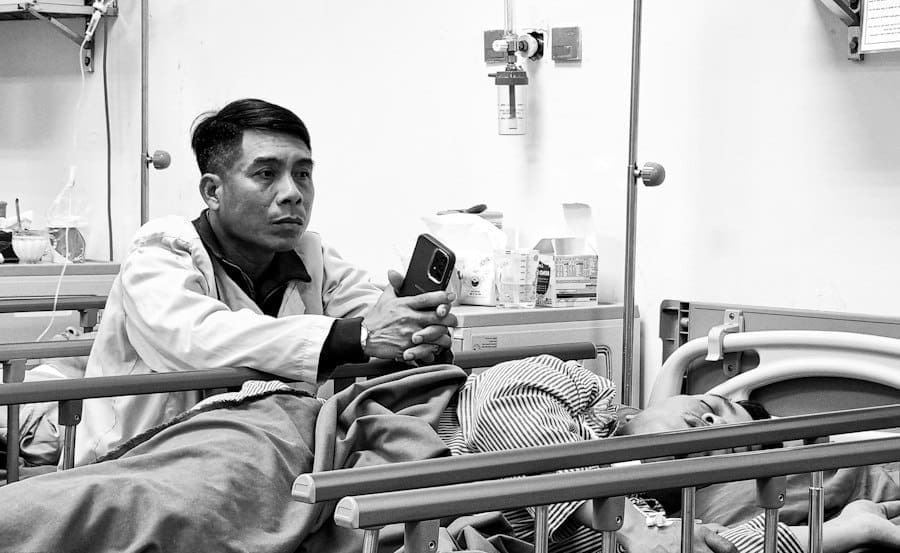
When depicting injuries, I aim for a spectrum, not just the dramatic, life-threatening kind. Even seemingly minor injuries, when accurately portrayed, can add depth and realism. Each type of injury presents its own challenges and opportunities for accurate description.
Minor Injuries: Beyond a Simple Scrape
Even a cut or a bruise deserves accurate portrayal. A superficial laceration, for instance, might sting and bleed a little, but a deeper one could expose subcutaneous fat, require stitches, and leave a more prominent scar. Bruises aren’t just purple; they evolve through a spectrum of colors – red, blue, purple, green, yellow – as hemoglobin breaks down. The location of a bruise also matters; a facial bruise will likely be more visible and swell differently than one on a limb. I think about the pain level, the immediate sensation (a sharp sting, a dull ache), and the potential for secondary complications like infection if not properly cared for. Describing the process of cleaning a wound, the sting of antiseptic, or the satisfying pressure of a bandage being applied can make even a small injury feel real and impactful.
The Pain and Progression of a Sprain
A sprained ankle or wrist is a common injury, yet often simplified in fiction. It’s not just a quick twist. A sprain involves stretched or torn ligaments, causing immediate pain, swelling, and often significant difficulty in weight-bearing. I consider the grade of the sprain – a mild sprain might allow some movement with discomfort, while a severe one could mimic a fracture in terms of incapacitation. The progression of healing for a sprain is also important: initial RICE (rest, ice, compression, elevation), followed by gradual rehabilitation. Ignoring these details trivializes the injury and makes the character’s recovery seem implausible. I try to weave in details about the throbbing pain, the visible swelling, the limping gait, and the character’s frustration with their impaired mobility.
Major Injuries: The Immediate and Long-Term Impact
Here’s where the research really pays off. When dealing with major trauma, accuracy is paramount. I consider the mechanism of injury, the specific anatomical structures affected, the immediate physiological response, and the realistic timeline for recovery or the grim reality of permanent disability/death.
Gunshot Wounds: More Than a Hole
A gunshot wound is a complex injury. The type of bullet, its velocity, and the tissues it passes through all dictate the extent of damage. It’s not just a clean entrance and exit wound. I research cavitation – the temporary cavity created by the bullet’s passage, which can be much larger than the bullet itself and cause significant damage to surrounding tissues. I consider the risk of internal bleeding, organ damage, bone shattering, and nerve damage. The immediate response is often shock, not just pain. A character might not even realize they’ve been shot right away due to the adrenaline. Then comes the burning pain, the blood loss (which can be surprisingly rapid), and the struggle to breathe if a lung is punctured. I also think about the exit wound, which is often larger and more ragged than the entrance. Post-injury, I consider infection, chronic pain, nerve damage, and psychological trauma.
Stab Wounds: Depth and Location are Key
Stab wounds, while seemingly simpler than gunshot wounds, are equally dangerous and require careful consideration. The length and type of blade, the force of the thrust, and the exact location of the wound are crucial. A stab to the abdomen could perforate intestines, causing peritonitis, while a stab to the chest could cause a collapsed lung (pneumothorax) or damage the heart itself. The immediate concern is often hemorrhage, but later complications like infection are also critical. I try to visualize the path of the blade, considering which organs lie beneath the skin at that particular spot. The difference between a superficial slash and a deep thrust can be life or death, and I reflect that in my descriptions. The gasping breath, the feeling of something wet and warm, the sudden weakness – these are the details that bring a stab wound to life on the page.
The Psychological Scars: Beyond the Physical
It’s not just the physical wounds that matter; the psychological impact of injury is equally, if not more, significant. I always strive to explore how trauma affects a character’s mental state, their perception of the world, and their relationships.
Post-Traumatic Stress and Its Manifestations
Any significant injury, especially one sustained violently or unexpectedly, can lead to post-traumatic stress disorder (PTSD). This isn’t just about flashbacks; it can manifest as hyper-vigilance, avoidance behaviors, emotional numbness, irritability, and difficulty sleeping. I try to show these symptoms subtly at first, then build on them, demonstrating how they impact the character’s daily life. A character might flinch at loud noises, become withdrawn, or develop irrational fears. It’s not a switch that flips; it’s a gradual process, and recovery, if it occurs, is often long and arduous. I believe that exploring these psychological dimensions adds a profound layer of realism and empathy to the narrative. It reminds readers that the human cost of violence extends far beyond the immediate physical damage.
Chronic Pain and Its Emotional Toll
Many severe injuries result in chronic pain, a silent and often invisible suffering that can be deeply debilitating. It affects sleep, mood, appetite, and a character’s ability to engage with life. I delve into the emotional toll of constant pain: the frustration, the anger, the despair, the sense of loss of their former self. It can lead to isolation, depression, and even addiction if pain management is mishandled. I explore how a character copes (or fails to cope) with this ongoing burden, showing their reliance on medication, their physical therapy struggles, or their attempts to find new ways to live with their limitations. This allows me to portray characters who are not just heroes recovering from a wound, but individuals grappling with a profound and lasting change to their existence.
When crafting medical scenarios in fiction, accuracy is crucial to maintain credibility and engage readers effectively. For those interested in exploring how themes can enhance storytelling, the article on the power of theme can provide valuable insights. By understanding the emotional and narrative weight that themes carry, writers can better integrate realistic medical elements into their plots. You can read more about this in the article on the power of theme.
The Healing Process: A Realistic Timeline
One of the areas where fiction most often fails is in depicting a realistic healing process. It’s not an instant fix. Understanding the stages of wound healing and the time frames involved is crucial for maintaining verisimilitude.
From Inflammation to Remodeling
The human body is an amazing self-repairing machine, but it takes time. I consider the four main phases of wound healing: hemostasis (stopping the bleeding), inflammation (the body’s immediate response, characterized by swelling and redness), proliferation (new tissue growth, granulation), and remodeling (the strengthening and maturation of the scar). Each phase has its own characteristics and timeline. A simple cut might be fully healed in a couple of weeks, but a deep wound with bone involvement could take months or even years to fully remodel, and even then, may never regain full pre-injury strength or flexibility. I try to subtly weave these stages into the narrative, showing the initial swelling, the formation of scabs, the new pink skin, and eventually, the fading but permanent scar.
Complications and Setbacks
Healing is rarely a linear process, especially for significant injuries. I often introduce complications to add realism and further tension to the narrative. Infection, for instance, can significantly delay healing, cause further tissue damage, and even become life-threatening. Other complications might include dehiscence (wound reopening), keloid scarring (excessive scar tissue), or nerve damage that causes persistent numbness or pain. Showing these setbacks not only makes the story more believable but also provides opportunities for further character development as they face new challenges in their recovery journey. It underscores the fragility of the human body and the unpredictable nature of recovery.
The Role of Medical Intervention and Self-Care
Finally, I consider the role of medical intervention and self-care. Does the character receive immediate and appropriate medical attention? Are they able to access modern medicine, or are they relying on rudimentary field first aid? The quality of initial care can dramatically alter the outcome and healing timeline. Furthermore, the character’s own diligence in following medical advice, engaging in physical therapy, and maintaining good hygiene plays a huge role. A character who ignores their wounds or refuses rehabilitation will likely face a much longer, more painful, and less complete recovery than one who is committed to their health. This allows me to explore themes of resilience, resourcefulness, and the consequences of neglect, all while staying true to the biological realities of human injury. It’s about demonstrating that healing is an active process, not a passive one, and the choices a character makes can profoundly impact their physical future.