The Allure of the Past: Why I Turn to Archives
As a fiction writer, my quest for authenticity often leads me down dusty corridors and through the digital archives of bygone eras. There’s a particular thrill I get from holding a brittle, yellowed newspaper clipping from the 1920s or poring over a meticulously handwritten letter from the 18th century. It’s more than just research; it’s a form of time travel, a direct connection to the lives and experiences of those who came before. While imagination is the bedrock of fiction, I find that grounding my stories in historical reality, even when writing speculative fiction, imbues them with a depth and resonance that purely invented details often lack. My characters breathe more genuinely, their struggles and triumphs feel more impactful, and the worlds I create become more immersive for my readers. Without these tangible links to the past, my narratives risk feeling shallow or anachronistic.
I often begin my research with a broad strokes understanding of the period I’m interested in, but it’s in the granular details that the magic truly happens. How did people dress? What did they eat? What were their slang terms? What were the political anxieties, the scientific breakthroughs, the mundane rituals of daily life? These aren’t questions easily answered by Wikipedia. They require a deeper dive, a willingness to get lost in the primary sources that speak directly to those questions. Archives, in their myriad forms, and old newspapers are my indispensable allies in this pursuit. They offer not just facts, but a palpable sense of atmosphere, a feel for the emotional landscape of a different time. This isn’t merely about accuracy; it’s about fostering empathy, understanding the human condition through the lens of history, and ultimately, making my fictional worlds more believable and compelling.
Incorporating historical elements into fiction can greatly enhance the authenticity of a narrative, and a valuable resource for writers is the use of archives and old newspapers. For further insights on how different narrative perspectives can shape storytelling, you might find the article “The Power of Perspective: How the Narrator Shapes Your Story” particularly enlightening. It explores the significance of the narrator’s voice in fiction, which can complement the rich context provided by historical research. You can read the article here: The Power of Perspective: How the Narrator Shapes Your Story.
Navigating the Labyrinth: My Approach to Archives
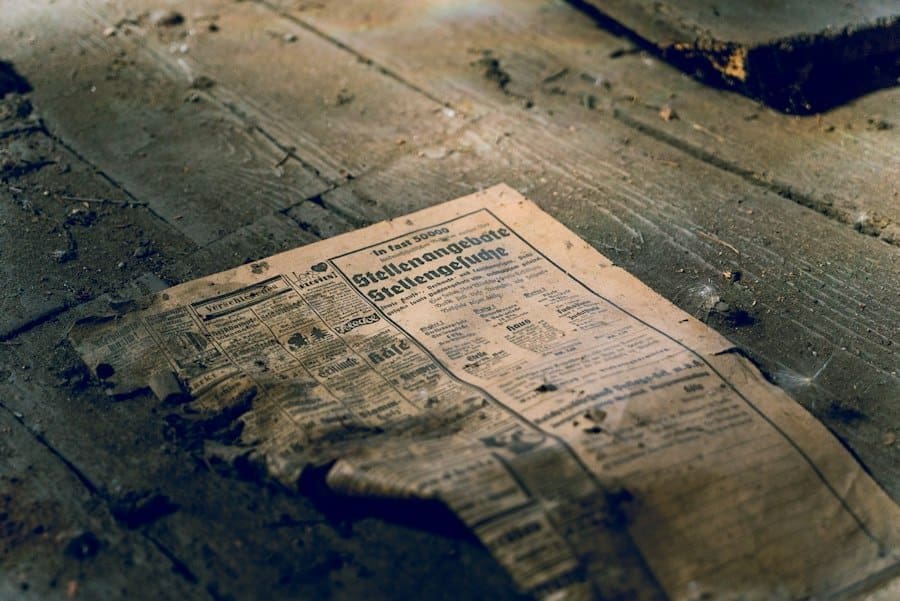
My journey into archives usually starts with a specific question or a broad thematic interest. I might be researching the daily life of a Victorian working-class family or the political climate leading up to a specific historical event. Regardless of the starting point, my approach is systematic, yet flexible, always ready to pivot when an unexpected discovery presents itself.
Identifying Relevant Archival Institutions
The first step for me is always to identify which archives are most likely to hold the materials I need. This often involves a fair bit of preliminary online searching. I look for national archives, state archives, university special collections, local historical societies, and even private collections. For example, if I’m writing a story set in a particular town in the 1930s, I’ll prioritize that town’s historical society or local library. If it’s a broader historical period, I might start with the National Archives or a large university library with extensive special collections. I’ve found that many institutions now have excellent online catalogs, which allow me to browse their holdings and even download digital copies of some materials before I even set foot in the building. This pre-work is crucial for maximizing my time once I’m on-site.
Making the Most of My Visit
Once I’ve identified a potential archive, I always try to contact them in advance. This is not just a courtesy; it’s a strategic move. Archivists are invaluable resources, and they can often guide me to specific collections I might have overlooked or advise me on their access policies and any necessary pre-registration. They are experts in their holdings, and a brief conversation can save me hours of fruitless searching. When I arrive, I come prepared. This means bringing my own pencils (pens are often prohibited), notebooks, and sometimes even a camera (after checking their photography policy). I also make sure I understand their rules for handling materials – wear gloves if required, keep things in order, and never mark or damage documents. Respect for these historical artifacts is paramount. I’ve learned to be patient, too. Archival research is rarely a quick process; it’s a meticulous, often slow, excavation of information, and the most rewarding discoveries are often found by chance.
Types of Archival Materials I Utilize
The range of materials I find in archives is vast, and each type offers a unique window into the past. I’m always on the lookout for:
Personal Papers and Correspondence
Letters, diaries, memoirs, and family papers are goldmines for understanding individual experiences and perspectives. They offer intimate glimpses into emotions, beliefs, social customs, and daily routines that official records often omit. I remember once finding a series of love letters from a soldier during the American Civil War, and the raw emotion and longing conveyed in his words brought the era to life for me in a way no textbook ever could. These personal narratives often become the emotional core of my characters.
Government Documents and Official Records
Census records, court documents, legislative proceedings, and military records provide invaluable factual data. They help me establish timelines, verify events, and understand the legal and administrative frameworks of a period. For a historical crime novel, court transcripts are indispensable for understanding legal procedures and societal attitudes towards justice. While often dry, these documents provide the factual scaffolding upon which my fictional narratives are built.
Visual Materials
Photographs, maps, architectural plans, and illustrations offer concrete visual information about landscapes, clothing, technology, and social interactions. A single photograph can inspire an entire scene, providing details about fashion, hairstyles, or even the layout of a street that I might not have otherwise imagined. Old maps are particularly useful for understanding topography and the evolution of urban or rural environments, helping me ground my settings in reality.
The Daily Chronicle: Unearthing Stories in Old Newspapers
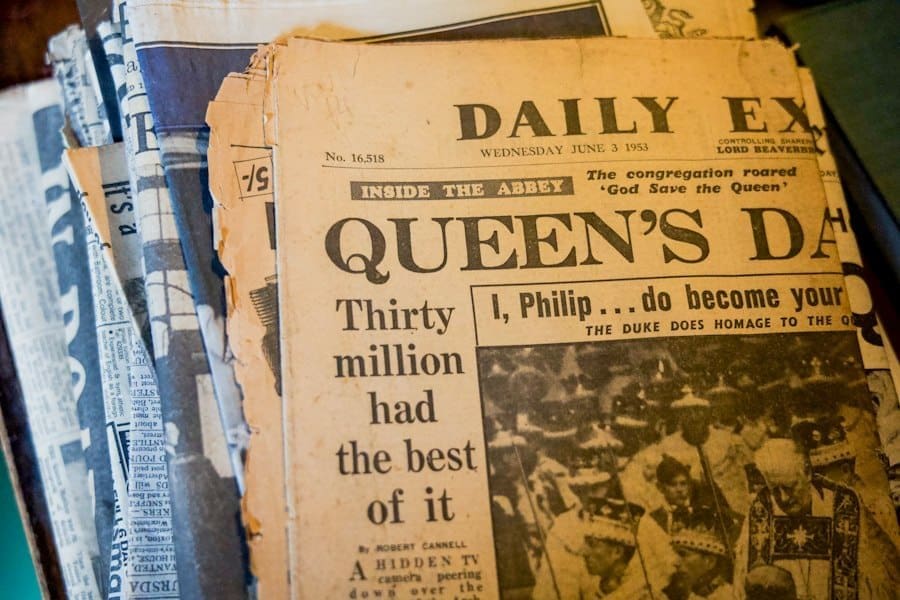
Newspapers are a different beast entirely from archives, though often complementary. While archives provide deep dives into specific collections, newspapers offer a panoramic view of daily life, public discourse, and the zeitgeist of an era. I find them essential for capturing the overall atmosphere and the minutiae of everyday existence.
Accessing Newspaper Collections
Just like archives, accessing old newspapers has become significantly easier in the digital age. Many national and regional newspaper collections have been digitized and are available through online databases like Newspapers.com, Chronicling America, or through national library portals. University libraries often have extensive microfilm collections of local papers, and historical societies are also excellent resources for their local press. While digital access is incredibly convenient, I still cherish the experience of scrolling through microfilm, or even, on rare occasions, carefully handling an original bound volume of a historical newspaper. There’s a tactile connection to the past that a digital scan can’t quite replicate.
What I Seek in the Daily News
When I delve into old newspapers, I’m not just looking for major headlines. I’m searching for the texture of everyday life, the background noise that informs the larger narrative.
Social and Cultural Indicators
I scour classified advertisements for prices of goods, services, and rents, which provides invaluable economic context. Fashion columns, society pages, and entertainment listings tell me what people were doing for leisure, what was considered fashionable, and how social hierarchies functioned. Even the advertisements themselves are a rich source of cultural information, revealing prevailing attitudes, marketing strategies, and the goods and services available to the public. I remember a particularly revealing ad for a newfangled electric iron in a 1910s paper that perfectly encapsulated the technological optimism of the era.
Local Flavor and Public Opinion
Local news sections, obituaries, birth announcements, and letters to the editor provide a microcosm of community life. They reveal local anxieties, gossip, celebrations, and tragedies. Editorials and opinion pieces are crucial for understanding prevailing political and social attitudes, providing insight into the moral landscape of the time. These smaller, more personal articles often spark entire subplots or inspire character traits. I once found a brief mention of a local scandal in a small-town paper that became the seed of an entire mystery subplot in one of my novels.
Language and Dialogue
Perhaps one of the most immediate and impactful uses of old newspapers for my fiction is capturing the language and idiom of the period. Slang terms, common phrases, journalistic styles, and even sentence structures evolve over time. Reading contemporary accounts helps me ensure my characters speak in a way that feels authentic to their era, avoiding anachronistic dialogue that can instantly pull a reader out of the story. I often keep a running list of interesting words or phrases I encounter to weave into my narratives naturally.
The Synthesis: Bringing History to Life in My Fiction
Once I’ve gathered my research, the real work of synthesis begins. It’s not enough to simply insert facts into my narrative; the historical details must serve the story, enriching it without overwhelming it.
Weaving Authenticity into the Narrative Fabric
My goal is to integrate historical details so seamlessly that they feel organic to the world I’ve created. This often means finding subtle ways to incorporate information. Instead of directly stating a historical fact, I might show it through a character’s actions, observations, or dialogue. For example, rather than saying “the streets were crowded with horse-drawn carriages,” I might describe the smell of horse manure, the rhythmic clopping of hooves, and the specific types of carriages passing by, all details I might have gleaned from a newspaper or a period painting. This “show, don’t tell” approach makes the historical context feel lived-in and immersive.
Avoiding the Info-Dump Trap
One of the biggest pitfalls I try to avoid is the “info-dump.” It’s tempting, after spending hours unearthing fascinating historical facts, to want to share everything. However, an abundance of undigested historical data can bog down the narrative and bore the reader. My challenge is to select only the most relevant and evocative details, those that actively contribute to character development, plot progression, or world-building. Every historical tidbit must earn its place in the story. Sometimes, a detail I love simply doesn’t fit the narrative arc, and I have to be willing to let it go, no matter how interesting I found it during my research.
Sparking the Imagination
Beyond factual accuracy, the greatest gift archives and old newspapers give me is inspiration. A faded photograph of an unknown woman, a cryptic classified ad, a forgotten local legend mentioned in a brief article – these are the sparks that ignite new story ideas or deepen existing ones. They provide unexpected twists, compelling character motivations, and unique plot points that I might never have conceived on my own. It’s often the serendipitous discoveries, the things I wasn’t even looking for, that prove to be the most creatively fruitful. The human stories contained within these historical documents are endless wells of inspiration.
When delving into the rich tapestry of historical fiction, utilizing archives and old newspapers can provide invaluable insights into the era you are portraying. For those interested in enhancing their research techniques, a related article offers practical advice on how to effectively incorporate these resources into your writing process. You can explore this further in the article titled Make Me a Believer and Over-Achiever, which discusses various strategies for building a compelling narrative grounded in historical accuracy.
The Joy and Challenge of Historical Exploration
For me, the process of researching through archives and old newspapers is deeply satisfying. It’s a treasure hunt, a puzzle, and a conversation with the past all rolled into one. While it can be time-consuming and occasionally frustrating – unreadable handwriting, missing documents, or dead-end searches are all part of the game – the rewards far outweigh the challenges.
The Sense of Connection
There’s an undeniable emotional resonance in touching a document handled by someone who lived centuries ago. It’s a tangible link to their reality, their struggles, their hopes. This connection helps me imbue my characters with genuine humanity, allowing me to empathize with their historical counterparts and portray them with greater depth and understanding. It’s a powerful reminder that while technology and social norms change, fundamental human emotions and experiences remain constant across time.
Ethical Considerations and Interpretation
I am also keenly aware of the ethical considerations involved in interpreting historical sources. Archives and newspapers, while invaluable, are not objective truths. They are products of their time, reflecting biases, perspectives, and limitations. I always consider who created the document, why it was created, and what its intended audience was. A newspaper article from the 1920s might reflect prevailing prejudices, and I must be careful not to perpetuate those biases in my own work but rather to understand them as part of the historical context. My role is to interpret, synthesize, and present a nuanced picture, not simply to regurgitate unexamined historical “facts.” This critical approach ensures that my historical fiction is not only engaging but also responsible and insightful.
In conclusion, my journey as a fiction writer is inextricably linked to the exploration of the past. Archives and old newspapers are not merely tools; they are vital conduits to understanding the human experience across time. They provide the texture, the voices, and the very soul of the worlds I endeavor to create, allowing me to craft stories that resonate with authenticity and connect readers to the rich tapestry of history.