Want to write a ghost story that actually scares? Build dread, not gore: a place with a past, a ghost with a reason and characters readers fear for.
This November, join the Samhain Story Sprint: 30 days, 30,000 words, 1,000 words a day. A ghost story is a fine way to start. It is free, and you can join our Sprint group in Story Bible Studio.
Bonus: Download the free Story Bible Starter Kit and plan your story section by section as you read.
What Makes a Ghost Story Scary?
Ireland has always been good at ghost stories. Long winter nights, a fire, and someone's uncle who saw something on the bog road and never went that way again. At Samhain, the old Celtic New Year, the veil between this world and the next was said to be at its thinnest, so it is no surprise the season still belongs to ghosts.
If you want to write a ghost story that actually scares, the good news is that you do not need gore or a monster in the attic. You need dread: a place with a past, a ghost with a reason, and people the reader is afraid for. Here is how to build each one.
The Subtlety of Dread: Beyond Jump Scares and Ghoulish Gore
Many novice writers mistake shock value for genuine fear. They rely on grotesque descriptions, sudden loud noises, or gratuitous violence, believing these elements alone are sufficient to terrify. However, true horror often resides in the unseen, the implied, the slow creep of dread rather than the sudden jolt. A ghost story that leaves a lasting impression understands the power of suggestion and the human mind's ability to fill in the blanks with its own worst imaginings.
The Psychological Underpinnings of Fear
Before even sketching out a plot, the writer must delve into the fundamental fears that resonate universally. These aren't just fear of death, but fear of the unknown, of loss of control, of isolation, of madness, of betrayal, and even of the mundane becoming sinister. A ghost story that taps into these deep-seated anxieties will always be more effective than one that simply presents a boogeyman. The best ghost stories don't just show you a monster; they make you question your own sanity, your own reality, and the very fabric of existence. They exploit our inherent need for order and safety, then systematically dismantle it.
Laying the Foundation: Setting the Scene for Spectral Activity
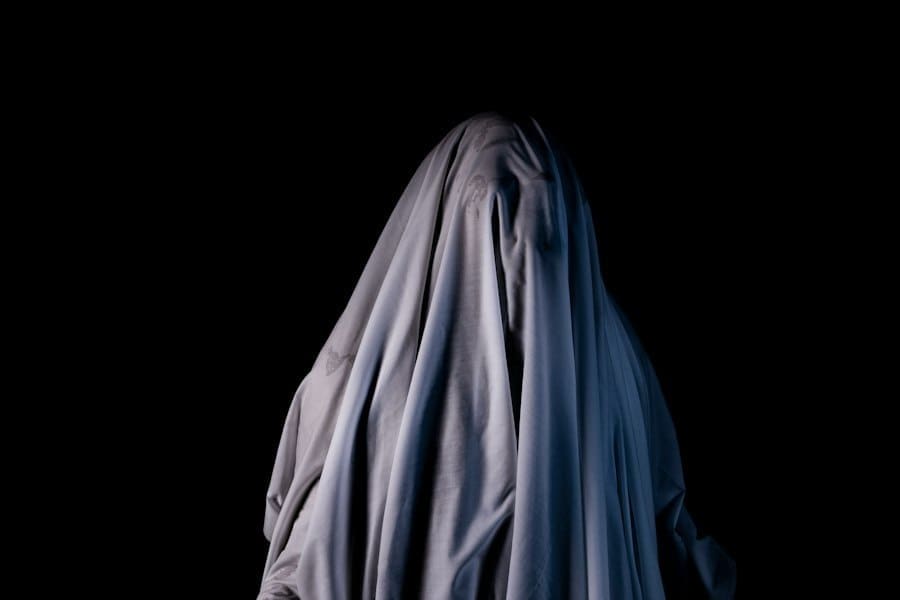
The environment in which a ghost story unfolds is as crucial as the spectre itself. It acts as a character, subtly influencing the mood, amplifying tension, and even dictating the types of supernatural occurrences that feel authentic to the narrative. A well-constructed setting doesn't just provide a backdrop; it becomes an active participant in the story's ability to scare.
The Power of Place: More Than Just a House
While haunted houses are a classic trope for good reason, the concept of "place" extends far beyond four walls. It could be a desolate moor, a forgotten forest, an ancient asylum, a decaying lighthouse, or even a seemingly ordinary suburban home where something terribly wrong has occurred. The key is to imbue the location with history, atmosphere, and a palpable sense of unease.
Imbuing the Setting with History and Character
A truly scary setting often carries the weight of its past. It's not just old; it's ancient, with secrets etched into its very foundations. Describe the peeling wallpaper, the musty scent of decay, the way the floorboards creak with a groan that sounds almost human. Give the house a personality: Is it oppressive, watchful, melancholic, or outright malevolent? The history of the place—the tragedies, the betrayals, the dark deeds—should echo through its halls, creating a resonance that the reader feels instinctively.
Utilising Sensory Details to Build Atmosphere
Fear is a visceral experience, and a good ghost story appeals to all the senses. It’s not enough to say a house is dark; describe the oppressive weight of the darkness, the way it seems to absorb light. What sounds does the house make? The wind howling like a mournful spirit, the drip of a tap like a slow heartbeat, the faint, almost imperceptible scratching within the walls. What smells linger? The scent of damp earth, decaying flowers, or a faint, cloying sweetness that suggests something unnatural. Engage the reader's imagination by painting a vivid, sensory picture that makes them feel like they are there.
Isolation and Vulnerability: Trapping Your Characters (and Readers)
A crucial element in enhancing fear is isolating the characters. When characters are cut off from the outside world, their sense of vulnerability skyrockets, and so does the reader's anxiety. This isolation can be physical, emotional, or psychological.
Physical Isolation: Far From Help
Placing characters in a remote location—a cabin in the woods, a ship at sea, a distant research station—immediately heightens the stakes. Help is far away, communication is unreliable, and escape routes are limited. This physical isolation amplifies the terror, as characters are forced to confront the supernatural threat without external support. The fear isn't just of the ghost, but of being utterly alone with it.
Psychological and Emotional Isolation
Even in a populated setting, characters can experience profound psychological or emotional isolation. Perhaps the protagonist is a newcomer to a distrustful community, or their experiences are dismissed by loved ones as delusions. This makes them question their own sanity and leaves them without allies, making them ripe for manipulation by the spectral entity. The fear of being disbelieved, of slowly losing one's grip on reality, can be far more terrifying than any direct supernatural attack.
The Unseen Presence: Crafting a Ghost That Truly Haunts

The ghost itself is the centrepiece, but its effectiveness lies not in overt displays, but in its insidious presence. A truly terrifying ghost is often one that is rarely seen in its entirety, its power amplified by implication and the reader's own imagination.
The Ambiguity of the Apparition: Less is More
One of the most common pitfalls in ghost story writing is revealing too much too soon, or too graphically. The unknown is inherently scarier than the known. A ghost that is fully described, with all its gruesome details laid bare, quickly loses its power to terrify. Instead, focus on hints, shadows, and fleeting glimpses.
Suggestion and Implication Over Explicit Description
Rather than describing a decaying face, describe the chill that accompanies a fleeting shadow, the inexplicable scent of old perfume, or the impression of a heavy sigh in an empty room. Let the reader's mind construct the horror. Is it a trick of the light, or did something just move in the periphery? Was that a whisper, or just the wind? This ambiguity fosters doubt and paranoia, making the reader question their own perceptions alongside the characters. The terror lies in the possibility, not the certainty.
The Power of the Unseen and the Unexplained
The most terrifying ghosts are often those whose motives and origins remain partially shrouded in mystery. They are not merely vengeful spirits; they represent something primal and unknowable. Their actions are often illogical, defying conventional understanding, which makes them all the more unsettling. When the rules of reality are broken without explanation, it creates a profound sense of existential dread.
Motivations and Manifestations: Giving Purpose to the Poltergeist
While ambiguity is key to the ghost's appearance, its actions should ideally have a chilling purpose, even if that purpose is only slowly revealed or hinted at. The way a ghost manifests its presence is also crucial to its impact.
The Ghost's Grievance: A Reason for the Restlessness
Even if not fully explained, a truly haunting ghost often has a reason for its lingering presence. It might be unfinished business, a desire for revenge, a traumatic memory repeating itself, or a desperate cry for help. Understanding, or at least suspecting, the ghost's grievance adds a layer of tragic depth and makes its actions more resonant, even if horrifying. This also allows for thematic exploration, delving into justice, regret, or the consequences of past actions.
Gradual Escalation of Manifestations
A scary ghost story doesn't start with full-blown poltergeist activity. It begins subtly, with minor disturbances that can be easily rationalised away: a misplaced object, a flickering light, a faint chill. As the story progresses, these manifestations escalate, becoming more frequent, more intense, and undeniably supernatural. This slow build-up mirrors the characters' descent into terror, allowing the reader to experience their growing dread alongside them. The first sign might be a faint whisper; the climax could be a physical attack. Each stage strips away another layer of denial, trapping the characters further.
The Human Element: Characters as Conduits of Fear
Even the most terrifying ghost and atmospheric setting will fall flat without compelling characters whose experiences the reader can empathise with. It is through the eyes of the protagonist that the true horror unfolds, and their reactions dictate the story's emotional impact.
Empathy and Vulnerability: Why We Care
For a ghost story to truly scare, the reader must care about what happens to the characters. They must be relatable, even flawed, individuals whose lives are genuinely threatened by the supernatural presence.
Creating Relatable Protagonists
A protagonist doesn't have to be a hero; in fact, a degree of ordinary vulnerability makes them more compelling in a horror scenario. Give them fears, hopes, insecurities, and relationships that ground them in reality. When their normal lives are shattered by the inexplicable, the reader feels that disruption keenly. Their initial scepticism, their gradual realisation of the truth, and their desperate attempts to cope make the horror all the more potent. We see ourselves in their shoes, amplifying our own fear.
Exploring Character Flaws and Inner Demons
Often, the most effective ghost stories parallel the external supernatural threat with the characters' internal struggles. A character's guilt, trauma, or psychological fragility can be exploited by the ghost, blurring the lines between external haunting and internal breakdown. Is the ghost real, or is the character simply losing their mind? This ambiguity, again, adds a layer of profound psychological horror. The ghost might prey on their deepest fears, manipulate their insecurities, or even embody their own repressed traumas.
The Role of Scepticism and Disbelief
A common and effective narrative device in ghost stories is the initial scepticism of the characters, or of those around them. This not only grounds the story in reality but also amplifies the terror when the undeniable truth finally asserts itself.
Rationalisation Before Revelation
Initially, characters will try to rationalise away the strange occurrences: creaking pipes, draughts, vivid dreams, overactive imaginations. This is a natural human reaction to the unexplainable. The slow erosion of these rationalisations, piece by agonising piece, is what drives the rising tension. Each failed attempt to explain away the supernatural brings the characters, and the reader, closer to the horrifying truth.
The Isolation of Being Disbelieved
When one character experiences the haunting and others dismiss their claims as madness or exaggeration, it creates a powerful sense of isolation and helplessness. This adds a psychological layer of fear, as the character not only faces the supernatural threat but also the devastating realisation that they are alone in their struggle, their sanity questioned by those they trust. This emotional anguish deepens the horror, as the character becomes trapped not just by the ghost, but by the disbelief of their loved ones.
The Art of the Reveal and the Lingering Echo
The climax of a ghost story is critical, but it's not always about a dramatic confrontation. Often, the most effective endings are those that leave a lasting impression, a lingering question, or a chill that refuses to dissipate.
The Climax: A Confrontation of Kinds
While a physical fight with a ghost might be appropriate for some horror subgenres, in a true ghost story, the climax is often more psychological or revelatory. It's the moment the characters (and reader) fully grasp the ghost's nature, its grievance, or the true extent of its power.
Acknowledging the Unknowable
Sometimes, the most terrifying confrontation is not about defeating the ghost, but about acknowledging its undeniable existence and the profound shift it causes in the characters' understanding of reality. The climax might involve a character making a sacrifice, uncovering a hidden truth, or simply accepting their fate. The fear isn't just about survival; it's about the shattering of their worldview. This acceptance of the inexplicable can be far more unsettling than a mere battle.
The Resolution (or Lack Thereof)
A ghost story doesn't always need a neat resolution where the ghost is banished forever. In fact, ambiguity can often be more terrifying. Perhaps the ghost is temporarily appeased, but the threat lingers. Perhaps it moves on to haunt another, or leaves a permanent scar on the survivors. The lack of a definitive "all clear" can sustain the dread long after the story ends.
The Lingering Fear: A Haunting Beyond the Page
The true measure of a terrifying ghost story is its ability to haunt the reader long after they've finished reading. It's about planting seeds of doubt, sparking introspection, and leaving an echo of unease.
The Unsettling Aftermath
What happens to the survivors? Are they forever changed? Do they carry the burden of their experience, haunted by memories even if the ghost is gone? Showing the psychological toll the haunting takes reinforces the story's impact. The fear isn't just about the supernatural event, but about its lasting consequences on the human psyche. This allows the story to resonate on a deeper, more human level.
The Final Image or Thought
A memorable ghost story often ends with a chilling final image or a thought-provoking question. It could be a subtle hint that the haunting isn't truly over, a character glimpsing something in a reflection, or an unsettling realisation that changes everything.
This final twist or lingering ambiguity ensures that the story continues to unnerve the reader, making them wonder, making them look over their shoulder, and making them question the shadows in their own lives.
The most effective ending leaves the reader with a pervasive sense of dread, a feeling that the world is a little less safe, a little more mysterious, and a little more haunted than they once believed. It's not about making them scream, but about making them afraid of the dark, just a little, for a long, long time.
Final Thoughts on How to Write a Ghost Story
When you sit down to write a ghost story, think quiet before loud. Start small, let the strange things pile up, and keep the ghost half in shadow. Give it a reason to be there, and give your characters something to lose. If the reader checks the hall light before bed, you have done your job.
The Samhain Story Sprint: it runs from 1 to 30 November, and it is free. Read the Samhain Story Sprint guide, then pick your pace and join a group in Story Bible Studio: Spark (10,000 words), Sprint (30,000 words) or Storm (50,000 words).
Ready to plan your own story? Keep your notes, characters and story bible beside your manuscript in Story Bible Studio. Want to practise with other writers? Try a round of collaborative fiction on Chain Story Online, and find more ideas for readers and writers on Enda Storrie.
Build it in Story Bible Studio: keep your haunted house, your ghost's history and your characters in one place, right beside your draft. Create your free Story Bible Studio account, then grab the free Story Bible Starter Kit to fill it in section by section.
Still comparing tools? See our guide to the best novel writing software.
Related reading: Show Don't Tell Examples That Actually Help · How to Write the Last Line of a Novel
That's it. Enda Storrie
P.S. Planning a story? Grab the free Story Bible Starter Kit: 8 fillable pages for your characters, places and timeline.