
A simple book launch plan for first-time authors: pre-launch tasks, launch week, reviews, newsletters and marketing on a small budget.
Understanding the Landscape Before My Launch
As a first-time author, the sheer thought of launching my book feels both exhilarating and utterly terrifying. I've poured my heart and soul into creating this story, and now the challenge shifts from writing to selling. Before I even think about specific dates or social media posts, I understand that a foundational understanding of the publishing landscape and what a book launch truly entails is paramount. This isn't just about throwing a party; it's a strategic marketing effort designed to get my book into the hands of readers and generate momentum.
I've learned that a successful book launch isn't a single event but a carefully orchestrated campaign stretching over weeks, sometimes months. It begins long before publication day and extends well beyond it. My primary goal is not just to sell copies, but to build an audience, foster connections, and establish myself as an author. This means I need to think about my target audience, what platforms they frequent, and how I can best reach them. It also requires me to manage my expectations. I won't be an overnight bestseller, and that's okay. My focus is on sustainable growth and building a loyal readership one person at a time.
Defining My Book's Niche and Audience
Before I can even consider marketing strategies, I must precisely define my book's niche. Is it a cozy mystery? A dystopian YA novel? A self-help guide for new parents? Understanding this helps me identify my direct competitors and, more importantly, my ideal readers. ]. , intricate world-building, strong female protagonists, introspective narratives]. They might also read authors like [mention 2-3 comparable authors].
This exercise isn't about comparison in a negative sense, but about understanding the existing market and where my book fits in.
Once I have a clear picture of my niche, I can begin to construct an ideal reader profile. I'm thinking about their demographics – age, gender (though I try to avoid making too many assumptions here, focusing more on interests), and location. More importantly, I'm delving into their psychographics: what are their interests, hobbies, values, and challenges? What other books do they read?
What podcasts do they listen to? What social media platforms do they frequent? For example, if my book is a YA fantasy, my audience might be active on TikTok and Instagram, follow book bloggers, and enjoy art related to their favorite series. If it’s a non-fiction business book, they might be on LinkedIn, subscribe to industry newsletters, and attend virtual conferences.
This detailed understanding will inform every aspect of my launch plan, from the platforms I choose to the language I use in my marketing materials. I'm trying to step into their shoes and understand what would make them pick up my book.
Setting Realistic Goals and Metrics
Launching my first book, I know it's crucial to set realistic goals. I'm not aiming for the New York Times Bestseller list right out of the gate (though a girl can dream!). Instead, my goals are concrete, measurable, achievable, relevant, and time-bound (SMART). For instance, a realistic goal for me might be to sell X number of copies in the first month, secure X number of reviews on Amazon and Goodreads, or grow my email list by X percent. These numbers will be specific to my genre, marketing budget, and overall reach.
Beyond sales figures, I'm also considering other key performance indicators (KPIs). These include things like website traffic to my author page, social media engagement (likes, shares, comments), email open rates, and conversion rates from free samples to full purchases. Monitoring these metrics will allow me to track the effectiveness of my various marketing efforts and adjust my strategy as needed.
If, for example, I see a high click-through rate on a specific social media campaign but low conversion to sales, it might indicate an issue with my book's blurb or cover, or perhaps the price point. Conversely, if a particular influencer review drives significant traffic and sales, I know to pursue similar opportunities. Regularly reviewing these metrics will be essential for continuous improvement and understanding what resonates with my audience.
It's an iterative process, and I'm prepared to learn and adapt along the way.
For first-time authors looking to enhance their book launch plan, understanding the importance of a well-structured narrative can be crucial. A related article that delves into this topic is titled "5 Ways a Story Bible Can Revolutionize Your Writing Process." This resource provides valuable insights on how creating a story bible can help authors maintain consistency in their storytelling and develop their characters more deeply, ultimately leading to a more successful book launch. You can read the article here: 5 Ways a Story Bible Can Revolutionize Your Writing Process.
Building My Author Platform and Pre-Launch Buzz
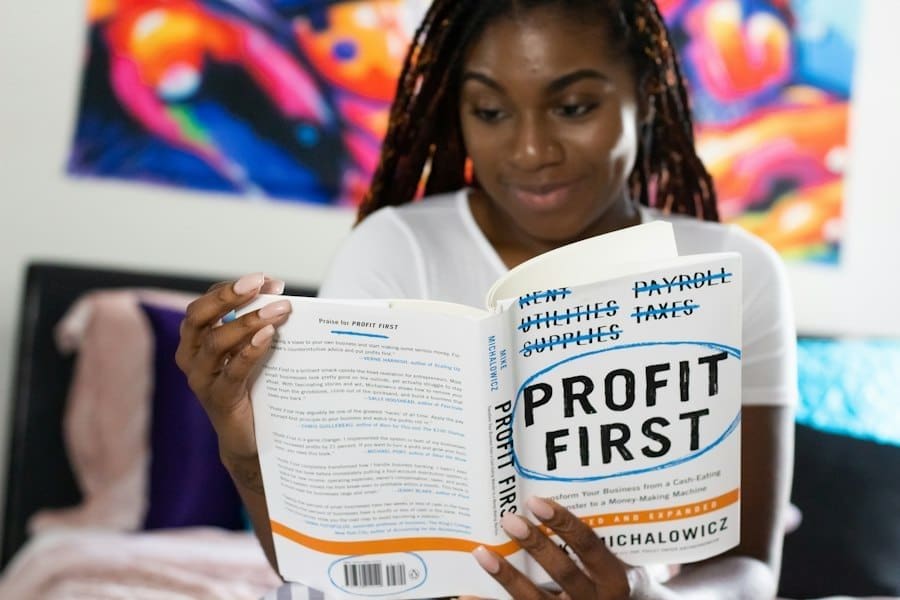
I've come to realize that a successful book launch doesn't begin on publication day; it's a culmination of weeks, if not months, of groundwork. My author platform is the foundation upon which everything else is built. It's my direct connection to potential readers, and cultivating it proactively is non-negotiable for a first-time author like me.
Establishing My Online Presence
My online presence is my virtual storefront and my professional calling card. It needs to be cohesive, professional, and easily discoverable. The cornerstone of this is my author website. I’ve ensured it’s not just a placeholder but a dynamic hub where readers can learn about me, my book, and my journey. It features a clear, engaging bio, a dedicated page for my book with the cover, blurb, buying links, and perhaps even a sample chapter.
I’m also including a blog section where I can share insights into my writing process, musings on my genre, or behind-the-scenes glimpses that humanize me and connect with readers on a deeper level. Critically, my website includes a prominent sign-up for my email list, which I consider to be my most valuable asset.
Beyond my website, I've identified the social media platforms where my target audience is most active. , Instagram, TikTok, Facebook, Twitter, Goodreads]. I'm not trying to be everywhere; instead, I'm concentrating my efforts on platforms where I can genuinely engage and connect. "), interacting with other authors and readers, and using platform-specific features like Instagram Stories or TikTok trends to gain visibility.
I'm creating a content calendar to ensure I post regularly and strategically, balancing personal insights with book-related updates, teasers, and calls to action. The goal is to build a community around my writing, not just to broadcast messages.
Cultivating an Email List
If my website is my storefront, my email list is my VIP lounge. It's the most direct and reliable way to communicate with my most engaged readers, free from the whims of social media algorithms. I started building my list long before my book was finished, offering a valuable incentive – a "reader magnet" – in exchange for an email address. This could be a short story prequel, an exclusive character interview, a deleted scene, or a useful checklist related to my non-fiction topic. The key is to offer something genuinely appealing to my target audience.
My email list is where I can share more personal updates, offer exclusive content, announce special promotions, and, crucially, rally support during my launch. I plan to send out a series of emails leading up to and during my launch, informing subscribers about publication day, asking for reviews, sharing behind-the-scenes stories, and perhaps even offering early access to excerpts or bonus material. This group will be my core cheerleaders, the ones most likely to buy my book, leave reviews, and spread the word. I'm focusing on providing value in every email, building trust and anticipation, rather than just selling. It’s a long-term investment in my author career.
Gathering Reviews and Endorsements
For a first-time author, reviews are gold. They lend credibility, provide social proof, and significantly influence potential buyers. I’ve started early by sending out Advanced Reader Copies (ARCs) to a select group of beta readers, early reviewers, and influential readers in my genre. I've used platforms like NetGalley or simply directly contacted book bloggers and reviewers whose tastes align with my book. My request for an honest review is always polite and clear, with no pressure to be positive, only truthful.
Beyond individual reviewers, I'm also exploring opportunities for endorsements from established authors or experts in my field. This often involves sending out well-crafted query letters and ARCs, highlighting why their perspective would be valuable. A glowing blurb from a recognizable name can significantly boost my book's appeal and help it stand out in a crowded market. I understand this can be a challenging endeavor for a debut author, but even a few positive early reviews can make a massive difference in attracting attention on platforms like Amazon and Goodreads. I'm also encouraging friends, family, and my nascent email list to leave reviews on publication day, reminding them of the impact their feedback has on a new author.
The Pre-Launch Countdown and Execution
With my author platform in place and some initial buzz brewing, the pre-launch countdown becomes a period of intense activity and strategic execution. This is where all the planning comes to fruition, building a crescendo of anticipation for my book’s release.
Finalizing Book Details and Distribution
Before anything else, I need to ensure all the logistical pieces are perfectly aligned. This includes confirming my book's metadata – the title, subtitle, author name, blurb, categories, keywords, and ISBN – are accurate and optimized for discoverability on retail platforms like Amazon, Barnes & Noble, and Kobo. I’ve spent considerable time researching the best keywords that my target readers would use to search for books like mine, ensuring I'm using both broad and niche terms. The categories are also crucial, placing my book where it will be seen by the most relevant audience.
For distribution, I’ve decided on [mention your distribution method, e.g., Amazon KDP for Kindle and paperback, IngramSpark for wider paperback/hardcover distribution, a small press, etc.]. Understanding the timeline for each platform is critical. For instance, knowing how long it takes for a book to go "live" after submission helps me plan my exact launch date and subsequent promotional activities. I’m double-checking my pricing strategy, considering both e-book and print versions, and researching competitive pricing within my genre. I'm also making sure my author bio and photo are updated across all platforms, presenting a consistent and professional image. This meticulous attention to detail at this stage prevents last-minute headaches and ensures my book is ready for purchase on release day.
Orchestrating a Pre-Order Campaign
A pre-order campaign is a powerful tool for a first-time author. It allows me to generate initial sales momentum even before my book is officially released, which can positively impact its ranking on retail sites. To incentivize pre-orders, I'm planning to offer exclusive bonuses. This could be anything from early access to bonus content (like a short story or character art), a chance to win a signed copy, a personalized thank-you note, or even a virtual Q&A session with me. I'll promote this pre-order campaign across my email list, social media channels, and author website, creating compelling graphics and calls to action.
The messaging will focus on the benefits of pre-ordering, not just the bonus itself. I'll explain that pre-orders signal to retailers that there's demand for my book, potentially leading to increased visibility and promotional opportunities. I'm also keeping track of my pre-order numbers, using them to gauge early interest and refine my marketing messages. This campaign is about building excitement and rewarding my early supporters, turning them into advocates for my book.
Engaging with Book Bloggers and Influencers
Reaching out to book bloggers, booktubers, and bookstagrammers has been a key part of my pre-launch strategy. I’ve meticulously researched individuals whose content aligns with my book's genre and themes, looking for those with engaged audiences, not just large follower counts. My approach is personalized and respectful: I introduce myself and my book, explain why I think their audience would appreciate it, and offer a free ARC in their preferred format. I'm not demanding a review; I’m simply making the book available and expressing hope that they might consider it.
Beyond traditional reviews, I'm also exploring opportunities for interviews, guest posts on their blogs, or participation in their social media events (like Instagram Lives or Twitter chats). These collaborations provide valuable exposure to new audiences who are already predisposed to my genre. I'm also looking into "book tour" companies that connect authors with a network of reviewers, though I'm being selective and checking their reputation carefully. The goal here is to leverage the trust these influencers have built with their followers, getting my book in front of receptive eyes and ears.
Preparing Launch Day Content
Launch day isn't a day to rest; it's a day for celebration and a final push. I've prepared a comprehensive content plan for the big day itself. This includes an exciting announcement email to my entire list, celebrating the book's release and providing direct links to purchase. My social media channels will be flooded with celebratory posts – graphics announcing the launch, perhaps a short video of me thanking my readers, or even a live Q&A session. I'm encouraging readers to share their excitement and post photos of their copies.
I've also drafted press releases (if applicable for my genre/market) to send to relevant media outlets, even if it's just local newspapers or niche online magazines. I've pre-scheduled some posts, but I also plan to be actively engaged online throughout the day, responding to comments, answering questions, and personally thanking early buyers and reviewers. The energy and enthusiasm I project on launch day can be contagious, setting a positive tone for my book's journey into the world. It’s a moment to truly connect with the people who have supported me and are finally able to read my story.
Post-Launch Momentum and Long-Term Strategy
The launch day is a significant milestone, but it's by no means the end of my efforts. In fact, for a first-time author, the post-launch phase is crucial for sustaining momentum, continuing to build readership, and setting the stage for future projects. I understand that a book's life cycle extends far beyond its initial release, and I'm committed to nurturing its growth.
Encouraging Reviews and Engagement
After the initial launch buzz subsides, one of my primary focuses will remain on encouraging reviews. Reviews are the lifeblood of a book's long-term success, influencing algorithms on retail sites and providing social proof for potential readers. I will continue to gently remind my email list and social media followers about the importance of leaving an honest review on platforms like Amazon and Goodreads. I might create simple, shareable graphics with instructions on how to leave a review. I'll also personally thank anyone who leaves a review, fostering a sense of appreciation and community.
Beyond reviews, I want to foster ongoing engagement with my readers. This means continuing to be active on social media, responding to comments, asking questions, and sharing behind-the-scenes insights about my book or writing process. I'll also continue to send out regular (but not overly frequent) newsletters to my email list, offering exclusive content, updates on my next writing projects, or perhaps even conducting polls to get reader feedback. I might even consider hosting virtual book club discussions or Q&A sessions to deepen the connection. The goal is to keep my book, and myself as an author, top of mind for my readers.
Exploring Paid Advertising Options
While I'm relying heavily on organic reach and word-of-mouth, I recognize that paid advertising can significantly boost visibility, especially in the competitive post-launch environment. I'm planning to experiment with targeted ad campaigns on platforms like Amazon Ads, Facebook Ads, and potentially Goodreads Ads. I'll start with a modest budget and carefully monitor the performance of each campaign.
Amazon Ads, in particular, can be powerful for authors. I'll focus on keyword targeting (using the keywords I identified earlier) and category targeting, ensuring my ads are shown to readers who are already browsing similar books. For Facebook Ads, I'll leverage the detailed demographic and interest-based targeting options to reach my ideal reader profile. My ad copy and visuals will be compelling, highlighting the unique selling points of my book. The key is to run A/B tests with different ad creatives and copy to see what resonates best, and to continuously optimize my campaigns based on the data. This isn't a set-it-and-forget-it strategy; it requires ongoing attention and adjustment to ensure a positive return on investment.
Participating in Author Events and Communities
Connecting with other authors and the broader literary community is essential for long-term growth. I plan to actively participate in online author communities and forums, learning from established authors and sharing my own experiences. This also opens doors for collaborative opportunities, such as cross-promotion, joint giveaways, or even co-authoring projects in the future.
Furthermore, I'm looking into virtual and, eventually, in-person author events. This could include online literary festivals, virtual book fairs, or even local bookstore events. While a debut author might not get headline slots, participating in panels, author readings, or signing events can provide valuable exposure and direct interaction with readers. I'm also considering pitching myself for podcast interviews or guest blog posts on relevant sites. These activities not only help sell books but also build my author brand and establish my presence within the literary world. Every interaction is an opportunity to connect and grow my network.
If you're a first-time author looking to successfully launch your book, you might find it helpful to explore the importance of character development in your storytelling. A related article discusses the top seven character roles that can captivate your readers, which can be crucial for creating a compelling narrative that resonates with your audience. Understanding these roles can enhance your book launch plan by ensuring that your characters are engaging and memorable. You can read more about this in the article on character roles [here](https://storybible.pro/top-7-character-roles-to-seduce-a-reader/).
Analyzing Results and Adapting My Strategy
As a first-time author, I view my book launch not as a one-time event, but as a continuous learning process. It's imperative that I constantly analyze the results of my efforts and be prepared to adapt my strategy based on what the data tells me. This iterative approach is key to optimizing my future marketing and ensuring the longevity of my author career.
Tracking Key Performance Indicators (KPIs)
To effectively analyze my results, I'll meticulously track the KPIs I established earlier. This includes sales data from all retail platforms, broken down by e-book, paperback, and any other formats. I'll be looking at daily, weekly, and monthly sales trends. Beyond sales, I'll monitor the number of reviews my book receives and its average rating on Amazon, Goodreads, and other review sites. These metrics are crucial for understanding my book's reception and visibility.
On my website, I'll be looking at Google Analytics to track traffic sources, bounce rates, time spent on my book page, and email sign-up conversion rates. For my email list, I'll analyze open rates, click-through rates, and unsubscribes for each newsletter I send. My social media analytics will tell me which posts generate the most engagement (likes, comments, shares, saves), which platforms are most effective for reaching my audience, and how my follower count is growing. I’ll be using built-in analytics on platforms like Instagram and TikTok, as well as third-party tools if necessary. This holistic view of my data will provide invaluable insights into what's working and what isn't.
Gathering Reader Feedback
While quantitative data is important, qualitative feedback from readers is equally, if not more, valuable. I’ll pay close attention to the content of reviews, looking for recurring themes, common praises, and constructive criticisms. Are readers connecting with my characters? Is the pacing right? Are there any aspects of the story or writing that consistently fall flat or confuse them? This feedback, both positive and negative, is a gift that helps me understand my audience better and informs my future writing projects.
Beyond public reviews, I might also reach out to beta readers or trusted early readers for more in-depth feedback. I’m also open to direct messages and emails from readers, treating every interaction as an opportunity to connect and learn. I’ll set up a simple system to categorize and synthesize this feedback, identifying patterns rather than getting bogged down in individual comments. This process isn't about letting every piece of feedback dictate my artistic choices, but about understanding how my work is perceived and where there might be opportunities for growth.
Iterating and Optimizing My Marketing Efforts
Armed with data from my KPIs and reader feedback, I’ll continuously iterate and optimize my marketing strategy. If my Amazon Ads aren't converting well, I'll tweak the keywords, adjust the bid, or refine the ad copy and image. If a particular social media platform isn't yielding results, I might shift my efforts to a more effective one, or try a different content format. If my email open rates are low, I’ll experiment with different subject lines or sending times.
Final Thoughts on Book Launch Plan
This adaptability extends to my long-term author strategy. If a particular genre or subgenre proves to be very popular with my readers, it might influence the direction of my next book. If certain themes in my current book resonate strongly, I might explore them further. The key is to remain flexible and responsive to the market and my audience. As a first-time author, I don't have the luxury of a massive established readership, so every piece of data and every interaction is a chance to learn, refine, and build my author platform step-by-step. My ultimate goal is to build a sustainable author career, and consistent analysis and adaptation are fundamental to achieving that.
Want to keep it all in one place? Story Bible Studio gives you a free digital story bible for your characters, places and plot, and Chain Story Online is a free place to test ideas in short collaborative stories.
Related reading: Book Title 101: Novel Ideas for Naming Your Masterpiece · How Long is a Novel? Novel Word Count by Genre
Written by Enda Storrie, writer and creator of Story Bible.


