
Word wars are timed writing races that turn a big word count into a game. Here is how to run a 5,000-word writing weekend, on your own or with friends.
This November, join the Samhain Story Sprint: a free 30-day writing challenge with three paces. A word wars weekend is a grand way to catch up or get ahead, and you can run your wars inside your group in Story Bible Studio.
Bonus: Download the free Story Bible Starter Kit and plan your story section by section as you read.
What Are Word Wars?
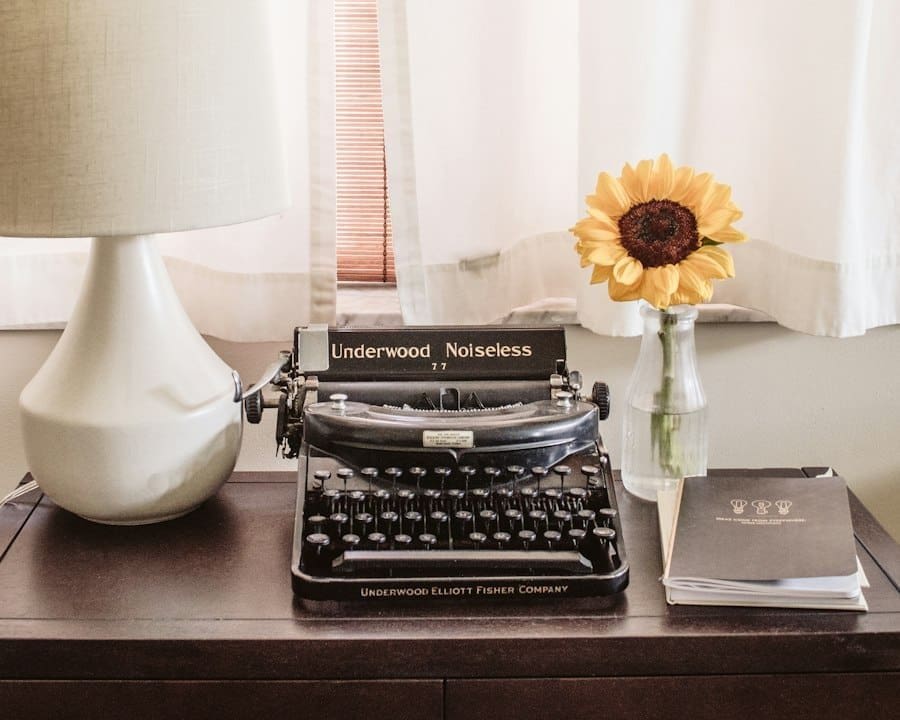
A word war is a writing race. You and at least one other writer set a timer, usually for 15 to 30 minutes, and write as fast as you can. When the timer goes, everyone posts their word count. The highest number wins, and then you go again.
That is all there is to it. Nobody reads anybody's words. Nobody judges the quality. The only thing that counts is the number, and that is exactly why word wars work. They switch off the little editor in your head who wants to fix every sentence before you have finished it.
Word wars grew up in online writing communities around November novel challenges, where thousands of people were chasing big word counts at the same time. They are just as handy on a quiet weekend with one writing friend.
Why a 5,000-Word Weekend?
Five thousand words is a real chunk of a book. It is two or three chapters, or the whole middle of a short story. Spread over a weekend, it is also very doable: about 1,000 words on Friday evening and 2,000 on each of Saturday and Sunday.
Most writers can manage 400 to 800 words in a focused 25-minute war. So 5,000 words is somewhere between seven and twelve wars across two and a half days. Put like that, it stops looking like a mountain and starts looking like a plan.
Before the Weekend: Get Ready to Write
Know what you are writing
A writing weekend is not the time to wonder what your story is about. Pick the scenes or chapters you will draft, and jot a line or two on each. Even a rough list means you never sit down to a timer and a blank page at the same time.
If you keep a story bible, have it open beside you. Names, places and the colour of your hero's coat are all there, so you don't stop mid-war to check.
Find your fellow warriors
Word wars need company. Ask a writing friend, your writing group, or the people in your Samhain Story Sprint group. Agree a few start times in advance, such as 10am, 11am and 2pm on Saturday, so everyone turns up together.
Clear the decks
Tell the people you live with what you are doing. Cook something on Friday that will do for a couple of meals. Fill your water bottle, charge your laptop and put your phone in another room or on do not disturb. The fewer reasons you have to get up, the more words you will write.
How to Run Word Wars
The simple rules
- Agree the length. Twenty or 25 minutes is a good start. Shorter wars of 10 minutes are great for a quick burst.
- Note your starting count. Write down your word count before the timer starts.
- Write, don't edit. No deleting, no rereading, no checking facts. Leave a note like [CHECK THIS] and keep going.
- Post your total. When the timer ends, subtract your starting count and share the number.
- Take a proper break. Five or ten minutes away from the screen, then go again.
A sample 5,000-word weekend
- Friday evening: two 25-minute wars, about 1,000 words.
- Saturday morning: three wars, about 1,200 words.
- Saturday afternoon: two wars, about 800 words.
- Sunday morning: three wars, about 1,200 words.
- Sunday afternoon: two wars and a finishing sprint, about 800 words.
If one war goes brilliantly, bank the extra words. If one goes badly, shrug and start the next. The weekend total is what matters.
Make it fun
Some groups play for points or small prizes: a biscuit for the winner, or the loser picks the next prompt. Others play together, adding up everyone's words to beat a shared target. Try a "prompt war", where everyone has to fit a random word or line into their next scene. A bit of play keeps the energy up on a long Sunday.
When You Get Stuck
You will hit a wall at some point, usually halfway through Saturday afternoon. When it happens, lower the bar. Write the scene badly. Write it as a list. Write what the characters should say, in plain words, and fix it later.
If that doesn't work, skip ahead. Put [SCENE TO COME] in square brackets and write the next scene you are excited about. Stepping outside for ten minutes helps too. A walk to the shop has fixed more plot holes than staring at the screen ever did.
Look After Yourself
It is tempting to write until 2am. Don't. Tired writing is slow writing, and a good night's sleep will give you more words on Sunday. Stand up between wars, stretch, drink water and eat proper meals. A writing weekend should leave you proud, not wrecked.
After the Weekend
On Sunday evening, give yourself a moment to enjoy the number. Then read through quickly, without fixing anything, and make notes on what you want to change. Add any new names or places to your story bible while they are fresh.
Finally, keep what worked. If 25-minute wars suited you, use them on weekday evenings. Many writers find one war a day keeps a novel moving long after the weekend is over.
Final Thoughts on Word Wars
Word wars turn writing into a game, and games are easier to start than chapters. Set a timer, find a friend, don't look back, and 5,000 words over a weekend will feel far less daunting. You might even enjoy it.
The Samhain Story Sprint: it runs from 1 to 30 November, and it is free. Read the Samhain Story Sprint guide, then pick your pace and join a group in Story Bible Studio: Spark (10,000 words), Sprint (30,000 words) or Storm (50,000 words). Each group is a ready-made place to call your word wars.
Ready to plan your own story? Keep your notes, characters and story bible beside your manuscript in Story Bible Studio. Want to practise with other writers? Try a round of collaborative fiction on Chain Story Online, and find more ideas for readers and writers on Enda Storrie.
Build it in Story Bible Studio: plan the scenes for your writing weekend and keep your characters and places to hand while you race. Create your free Story Bible Studio account, then grab the free Story Bible Starter Kit to fill it in section by section.
Still comparing tools? See our guide to the best novel writing software.
Related reading: Writing Sprints: The Pomodoro Method for Writers · How to Join or Start a Writing Group
That's it. Enda Storrie
P.S. Want a nudge to write every day? Try the free 7-Day Chain Story Challenge.


