Want to write atmosphere that readers feel? Here is how to set the mood for a night scene with light, sound, smell, cold and your character's own fears.
This November, join the Samhain Story Sprint: a free 30-day writing challenge for the darkest month of the year. Night scenes suit it perfectly, and you can join our Sprint group in Story Bible Studio.
Bonus: Download the free Story Bible Starter Kit and plan your story section by section as you read.
What Is Atmosphere in Fiction?
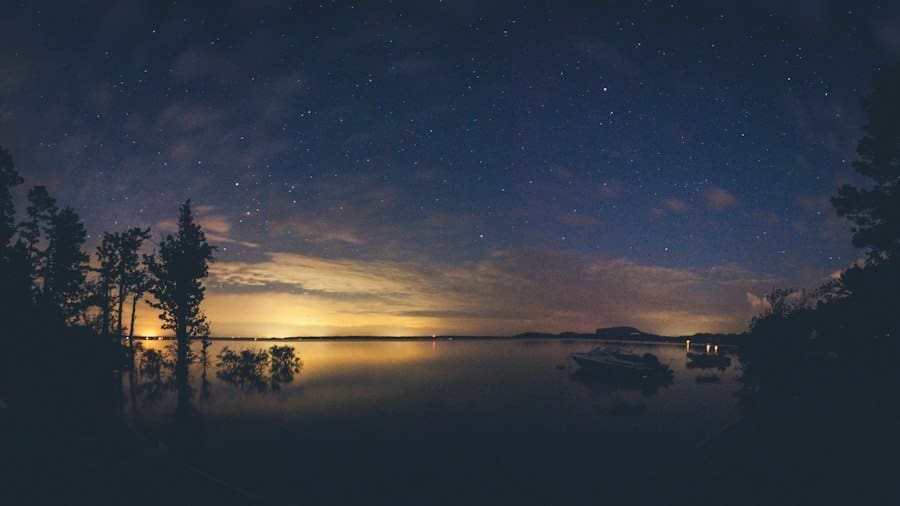
Atmosphere is the feeling a scene gives off. It is the chill on the back of your neck in a ghost story, or the cosy glow of a kitchen on a wet night. Readers rarely notice it directly, but they always feel it.
Night scenes are the best place to practise, because darkness changes everything. We see less, so we hear and smell and imagine more. Learn to write atmosphere after dark and you will be able to do it anywhere.
Start With the Mood You Want
Before you write a word, decide what the night should feel like. Darkness can be a comfort, a hiding place for whispered secrets and quiet talks. It can also be a threat, hiding whatever is out there and cutting your characters off from help.
Pick one main feeling: peaceful, romantic, lonely, tense or frightening. Every detail you choose afterwards should push the reader towards it. A scene that tries to be cosy and creepy at once usually ends up as neither.
Use Light Sparingly
At night, light becomes precious, so a little goes a long way. The darker the scene, the more a single light matters: a match flaring in a black room, one window lit across a field, a torch beam swinging through fog.
Moonlight and stars
A full moon throws hard silver light and long shadows that play tricks on the eye. A thin crescent leaves most of the world in darkness. A sky full of stars, far from any town, can feel wonderful or make a character feel very small.
Man-made light
Streetlights, headlights and lit windows tell us about people. A flickering streetlight hints at neglect. Headlights sweeping across a bedroom ceiling can be soothing or a warning. A warm window in a farmhouse says safety, while a cold office light at midnight suggests someone who can't go home.
Let Sound Do the Work
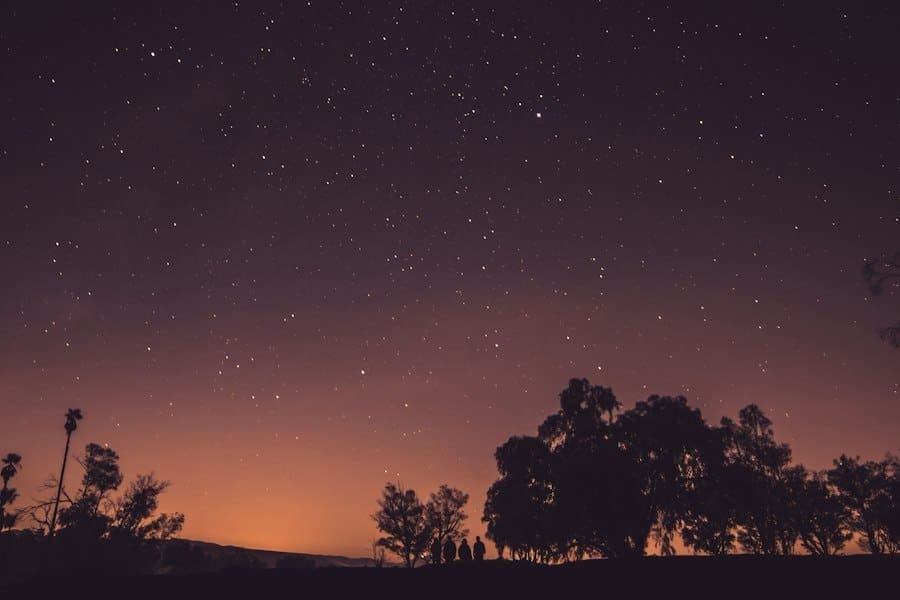
When we can't see, we listen. Use that. A gate clicking somewhere in the dark, the wind in the chimney, a dog barking two farms away. Sounds tell the reader how big and how empty the night is.
Silence is a sound too. If the crickets suddenly stop, the reader leans in. Build the background noise first, then take it away at the moment you want them to hold their breath.
Bring in Smell, Touch and Cold
Night smells different. Turf smoke, wet leaves, frost, chip-shop vinegar on the walk home. One well-chosen smell can place the reader in the scene faster than a paragraph of description.
Touch matters too. Cold that creeps through a coat, a damp stone wall under the hand, the scratch of brambles on a shortcut. These small physical details make the night something your character has to get through, not just look at.
See the Night Through Your Character
The same lane at midnight feels different to a teenager sneaking home and a mother searching for her son. Filter the scene through your viewpoint character. What do they notice? What do they fear? What do they misread?
A frightened character turns a coat on a hook into a figure in the doorway. A happy one hears the river and thinks it sounds like music. Let their mood colour the description, and the atmosphere will feel earned rather than painted on.
Choose Your Words Carefully
Don't tell the reader the night is eerie. Show the thing that makes it eerie. "The wind whispered in the hedge" does more than "it was a windy night".
Watch your rhythm as well. Long, flowing sentences suit a calm, dreamy night. Short ones suit danger. Cut adjectives that don't earn their place, because too many will smother the mood you are trying to build.
Final Thoughts on How to Write Atmosphere
To write atmosphere for a night scene, pick a mood, use light sparingly, let sound and smell carry the reader, and see it all through your character's eyes. Then read it aloud in a quiet room. If it gives you a shiver, or a warm glow, you have it.
The Samhain Story Sprint: it runs from 1 to 30 November, and it is free. Read the Samhain Story Sprint guide, then pick your pace and join a group in Story Bible Studio: Spark (10,000 words), Sprint (30,000 words) or Storm (50,000 words).
Ready to plan your own story? Keep your settings, characters and story bible beside your manuscript in Story Bible Studio. Want to practise with other writers? Try a round of collaborative fiction on Chain Story Online, and find more ideas for readers and writers on Enda Storrie.
Build it in Story Bible Studio: keep your settings, their sounds and smells, and your characters' fears in one place, right beside your draft. Create your free Story Bible Studio account, then grab the free Story Bible Starter Kit to fill it in section by section.
Still comparing tools? See our guide to the best novel writing software.
Related reading: Sensory Details: Writing With All Five Senses · How to Write a Ghost Story That Actually Scares
That's it. Enda Storrie
P.S. Planning a story? Grab the free Story Bible Starter Kit: 8 fillable pages for your characters, places and timeline.