Using the seasons as theme in fiction adds depth without preaching. Learn how spring, summer, autumn and winter can mirror your character's change.
Writing along with the Samhain Story Sprint? The Sprint itself is built on a season. Samhain marked the end of the harvest and the start of the dark half of the year, which is why each week has a theme, from Kindling to Homeward.
Bonus: Download the free Story Bible Starter Kit and plan your story section by section as you read.
Why the Seasons Work as Theme
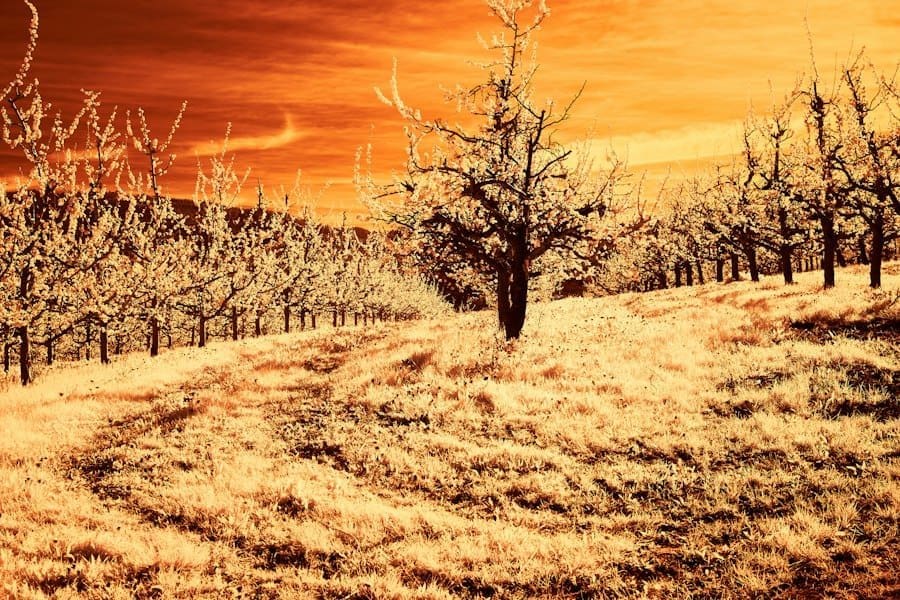
Every reader carries the seasons around with them. Spring means new starts. Summer means growth and heat. Autumn means harvest and loss. Winter means endings, rest and waiting for the light. You don't have to explain any of this. Readers feel it.
That makes the seasons a quiet way to carry theme. Instead of telling the reader your story is about grief, or hope, or growing up, you let the weather and the land do some of the talking. Theme then sits underneath the plot, where it works best.
7 Ways to Use the Seasons as Theme
1. Mirror your character's arc
The simplest approach: match the season to your protagonist's inner state. A character at their lowest in deep winter, beginning to heal as the days lengthen. The outer world shows the inner change, so you don't need to spell it out.
Thomas Hardy does this in Tess of the d'Urbervilles. Tess's happiest months at the dairy are lush and green, and her hardest days come on a bare, frozen farm. The landscape tracks her fortunes.
2. Work against expectation
Contrast can be even stronger. A funeral on a blazing June afternoon. A first love in the dead of January. When the season jars with the feeling, readers notice, and the moment sticks.
3. Use one season as a frame
Set the whole story inside one season, and its ending becomes your ending. The Great Gatsby plays out over one summer and closes as autumn arrives, and the cooling air matches the end of Gatsby's dream.
4. Let the year turn
A story that runs through a full year has a built-in shape. Each season can be a part or an act: a spring of hope, a summer of trouble, an autumn of loss, a winter of reckoning. If you like this idea, see how to structure a novel in parts.
5. Make the season a force
In some stories the season is close to an antagonist. A harsh winter that traps a family. A drought summer that sets neighbours against each other. Here the season does more than reflect theme. It pushes the plot. Our guide to weather and climate in fiction goes deeper.
6. Lean on festivals and rituals
Seasonal festivals bring meaning with them. Samhain, Christmas, harvest suppers, May Day. Each carries ideas your story can borrow: thresholds, giving, plenty, renewal. Charles Dickens built A Christmas Carol on midwinter, the darkest time of year, and Scrooge's change arrives with Christmas morning.
7. Use small seasonal details
Theme doesn't need grand gestures. The first frost on a car windscreen. Blackberries on a ditch. Swallows lining up on a wire. Small, true details anchor your scenes in time and quietly add to the mood.
Seasons as Theme Without the Clichés

The danger is the obvious: rain at every sad moment, sunshine for every happy ending. Readers have seen it too often. A few ways to keep it fresh:
- Be specific. "Autumn" is vague. "The week the clocks go back" is real.
- Use your own place. An Irish winter is wet and grey more often than white. Write the season your characters actually live through.
- Keep it light. One or two well-placed images per chapter is plenty. Let the reader connect them.
- Tie it to choices. Theme lands hardest through what characters do. Read how to show theme through character choices.
Plan Your Seasons Before You Draft
Seasons are easy to lose track of. A character picks apples in chapter three and wears a summer dress in chapter nine. Before you draft, sketch a simple timeline: which month each part takes place in, and what the weather and light are doing.
Then write a one-line thematic statement and note how each season serves it. That page becomes part of your story bible, and it keeps your symbols consistent from start to finish.
Final Thoughts on Using the Seasons as Theme
Using the seasons as theme lets the world of your story carry meaning, so you don't have to state it. Mirror your character's arc, play against expectation, or let a full year give your book its shape. Keep the details specific, avoid the clichés, and track your timeline so every season works for your story.
The Samhain Story Sprint: it runs from 1 to 30 November, and it is free. A November story is a perfect chance to try a seasonal theme. Read the Samhain Story Sprint guide, then join a group in Story Bible Studio: Spark (10,000 words), Sprint (30,000 words) or Storm (50,000 words).
Ready to plan your own story? Keep your timeline, themes and story bible beside your manuscript in Story Bible Studio. Want to practise with other writers? Try a round of collaborative fiction on Chain Story Online, and find more ideas for readers and writers on Enda Storrie.
Build it in Story Bible Studio: map your story's months, weather and symbols on a timeline beside your draft. Create your free Story Bible Studio account, then grab the free Story Bible Starter Kit to fill it in section by section.
Still comparing tools? See our guide to the best novel writing software.
Related reading: Common Themes in Literature (With Examples) · Writing About Family: Themes That Resonate
That's it. Enda Storrie
P.S. Planning a story? Grab the free Story Bible Starter Kit: 8 fillable pages for your characters, places and timeline.